On the Dash:
- GM eyes-off driving is on track for 2028, CEO Mary Barra told CNBC’s Mad Money.
- Barra said GM is focused on personal vehicles after exiting the Cruise robotaxi business.
- Barra pushed back on the idea that autonomous vehicles could reduce car ownership.
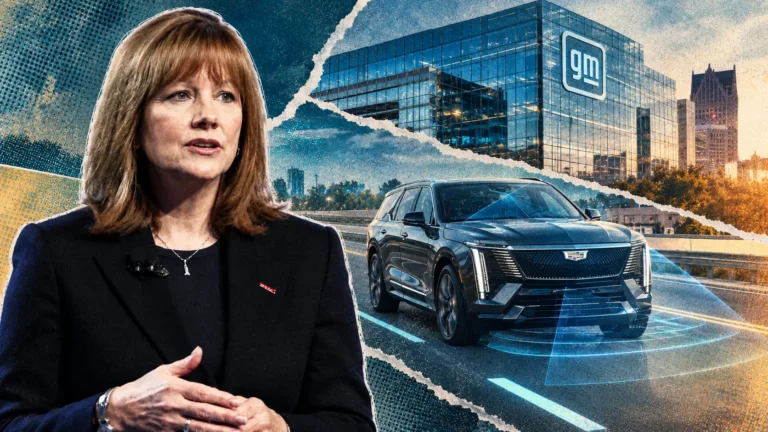
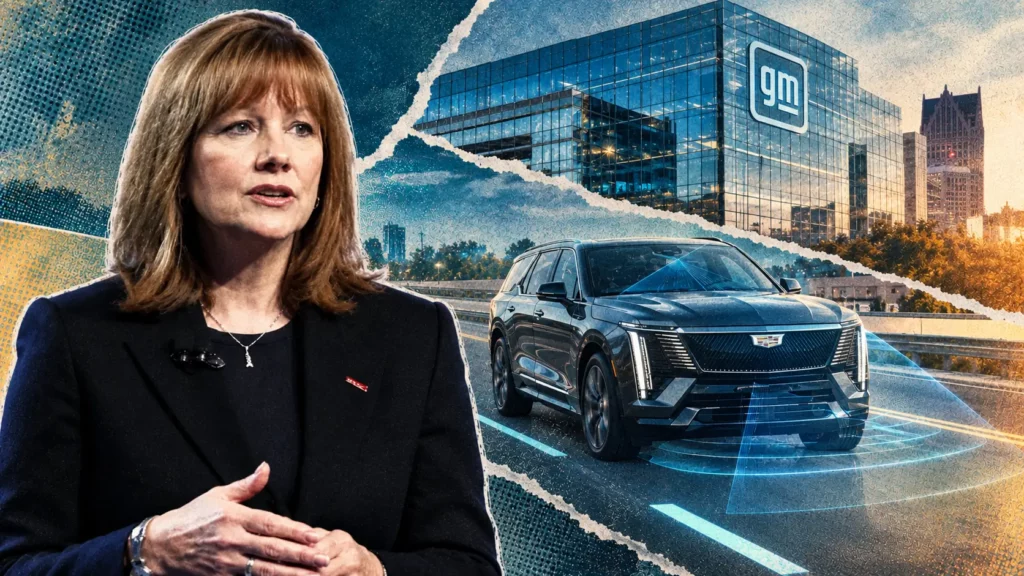
General Motors (GM) remains on track to launch eyes-off, hands-off driving by 2028, CEO Mary Barra told Jim Cramer on CNBC’s Mad Money. GM announced in October 2025 that the system will debut on the electric Cadillac Escalade IQ in 2028 and will expand to other models afterward.
Super Cruise allows drivers to take their hands off the wheel while requiring them to remain attentive. MotorTrend named it the best driver assistance system in its inaugural Best Tech Awards in 2025. Under certain conditions, the new system lets drivers take their eyes off the road.
Barra recently tested the technology and was impressed by its improvement since a March ride. “They’re making so much progress on our goal to have eyes off, hands off in the ’28 time frame,” Barra told CNBC. Additionally, she said that GM will be well positioned in personal autonomy. As the technology grows, drivers will be able to choose when they want to drive, with less need to.
Why GM left the robotaxi market
However, GM’s push into personal autonomy follows its decision to exit the Cruise robotaxi business in December 2024. The automaker spent more than $10 billion on Cruise and redirected resources toward autonomous systems for consumer vehicles. Barra noted, “We’re not in the taxi business. We’re not in the bus business.”
She also acknowledged that leaving the robotaxi market was difficult, but she defended the move as the right one. GM retained much of the Cruise team to work on personal autonomous driving.
Other companies keep investing in robotaxis, as Uber plans to spend more than $10 billion on autonomous vehicles. Waymo is expanding into roughly 20 more cities this year, according to a CBT News Future of Automotive segment from April.
Why Barra still sees value in owning a car
Barra pushed back on the idea that autonomous vehicles could eventually lessen the need to own a personal car. She recalled earlier predictions that ride-hailing services such as Uber and Lyft would sharply reduce vehicle sales, although that decline never materialized.
Nevertheless, ownership cost is part of that debate, as Cox Automotive figures put ownership at about 88 cents per mile. This suggests a robotaxi could eventually cost about 50 cents per mile, raising the question of whether many households will need a second vehicle.