
On the Dash:
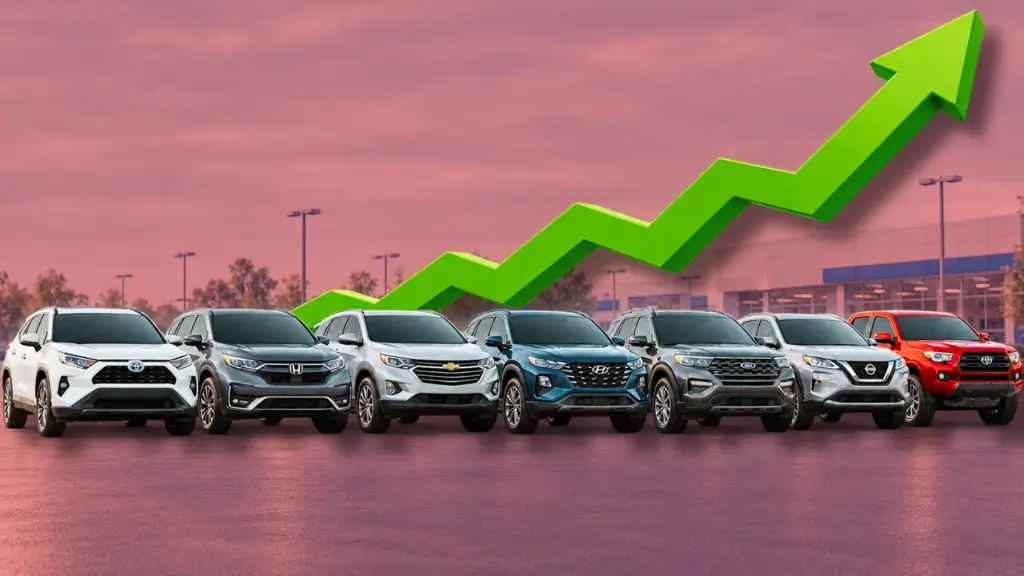
- Vehicle affordability is shifting demand toward hybrids and older used vehicles, according to Cox Automotive.
- Personal incomes have risen about 48% since the pandemic, while expenses have risen about 53%.
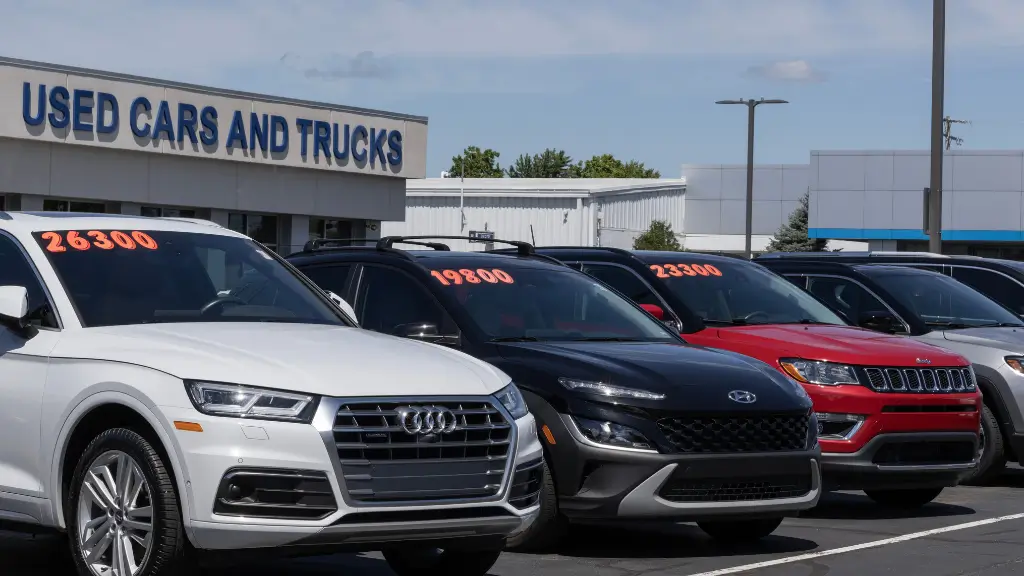
- Used-vehicle prices rose 7% year over year, and eight- to 10-year-old models rose just under 10%.
Affordability pressure is changing where vehicle demand shows up and pushing more shoppers toward hybrids and older used vehicles, according to Cox Automotive Chief Economist Jeremy Robb.
Robb outlined the analysis in an Expert Perspectives post after a panel at the Automotive News Congress in Detroit. Overall demand remains intact, but budget pressure is changing what consumers can keep buying, Robb said.
A divided market
Personal incomes have risen about 48% since the pandemic, while personal expenses have risen about 53%, according to Robb. Housing, food, insurance and energy compete with a vehicle payment for the same income.
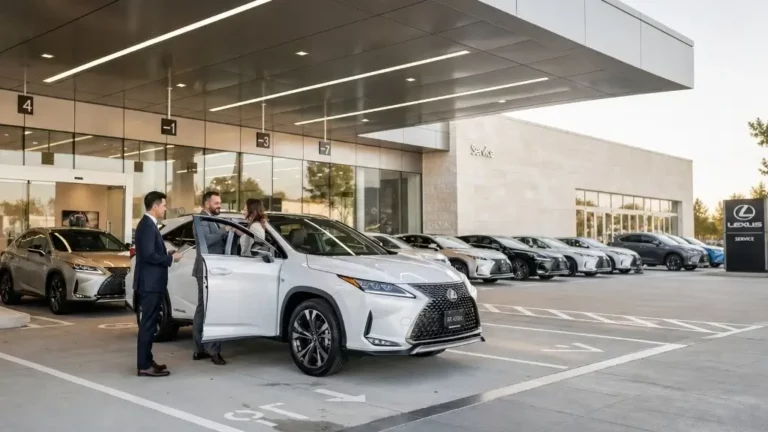
Higher-income households continue to support new-vehicle sales. Households earning $250,000 or more remain strong buyers, though many have moved from luxury brands into the mainstream market, Weiss said. Buyers 65 and older now account for about 27% of new-vehicle purchases, up about seven percentage points, as wealth remains concentrated among older households.
Buyers with less financial flexibility face higher monthly expenses, higher insurance and fuel costs, and vehicle payments well above pre-pandemic levels. Some are moving to a different segment or powertrain. Others are buying older used vehicles, extending their replacement cycle or leaving the market.
Hybrids and older used vehicles gain
The average new hybrid is priced about $5,000 below the overall new-vehicle average, according to Robb. Hybrids give buyers better fuel efficiency without a full move to an electric vehicle.
Hyundai’s hybrid sales have grown 58% from a year ago and make up 28% of its sales mix, Márquez said. She stressed the need to offer flexibility across powertrains, body styles and price points without asking shoppers to compromise on safety or quality.
The average used vehicle on a dealer lot is priced just above $27,000, up 7% year over year and about twice its normal rate of growth, according to vAuto Live Market View data cited by Robb. Prices for eight-, nine- and 10-year-old vehicles rose just under 10%.
Older models may appeal because they have more physical controls and may be seen as cheaper to repair, Robb wrote. That raises the importance of acquisition, inspection and reconditioning for dealers. Longer loan terms on older vehicles can add risk for lenders and consumers.
Cost pressure and outlook
Automakers are managing tariffs, energy prices, raw material costs and supply chain volatility. Dealers are managing elevated funding expenses. The spread between invoice and transaction prices has continued to compress, which suggests the industry is nearing the limit of the costs it can absorb, Robb wrote. Incentives can support monthly payments, but they also affect used-vehicle values and trade equity. Rapid tariff or regulatory changes can disrupt sourcing and production decisions made years in advance.
Average vehicle age is near record levels, and a pandemic-era production shortfall left millions of vehicles unbuilt, which should continue to support replacement demand.