On the Dash:
- Stellantis is exploring a sale of its idle Brampton, Ontario, plant to defense manufacturer Roshel.
- Roshel says it plans to bring more than 2,000 jobs to the facility if the deal closes.
- The potential sale follows Stellantis’ decision to move next-generation Jeep Compass production from Brampton to Illinois amid U.S. tariffs.
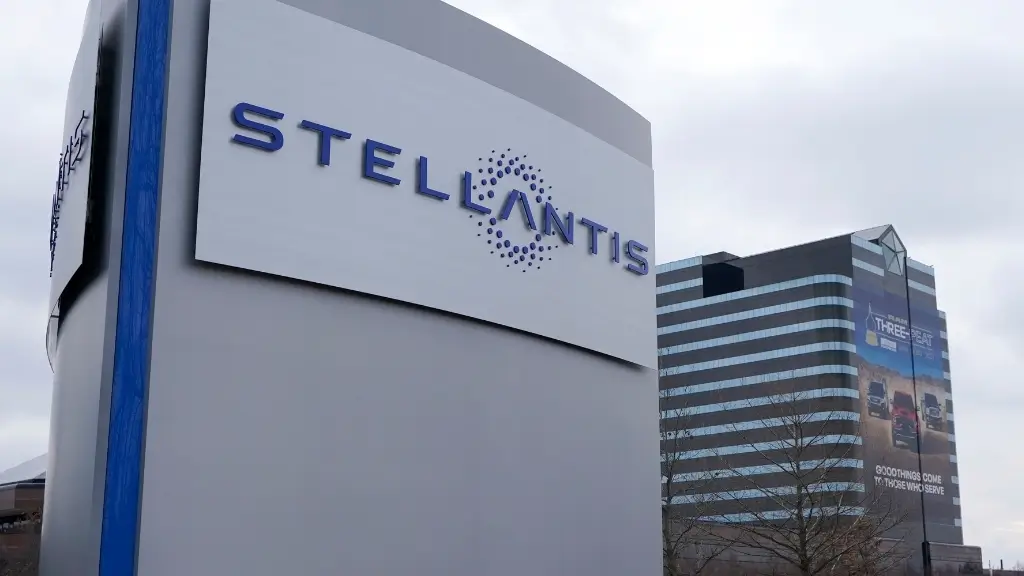
Stellantis is exploring a sale of its idle assembly plant in Brampton, Ontario, to Canadian defense manufacturer Roshel. The companies have signed a memorandum of understanding to pursue the transaction, since the plant has sat idle since 2023, when Stellantis paused retooling work amid U.S. tariffs on imported vehicles.
Stellantis Canada Chairman, President and Chief Executive Trevor Longley said the company evaluated multiple options before choosing Roshel. “Stellantis believes that Roshel represents a strong path to restoring sustainable operations at Brampton Assembly,” Longley said in a statement, adding that it will preserve the site’s “strategic role in Canada’s advanced manufacturing sector and help to avoid a prolonged period of inactivity.” Roshel CEO Roman Shimonov said the company plans to bring more than 2,000 jobs and new capabilities, including ballistic steel production, to the Brampton site, and pledged to offer laid-off Stellantis workers priority consideration for jobs at the facility.
Notably, a return to active manufacturing would preserve the site’s role in Canada’s advanced manufacturing sector and give the facility a path forward after Stellantis changed its product plans. The automaker originally intended to build its next-generation Jeep Compass in Brampton, but it shifted that production to Belvidere, Illinois, after the U.S. imposed 25% tariffs on imported vehicles, straining relations with the Canadian government, which had invested hundreds of millions of dollars to retool the Brampton and Windsor, Ontario, plants.
Labor talks hit an impasse
Unifor, which represents about 9,000 Stellantis workers in Canada, said the potential sale has stalled negotiations on a new labor agreement. The union believes the company’s proposal to close and sell the Brampton plant has slowed the bargaining process, adding that a sale would threaten its members’ wages, pensions and other benefits. However, the current labor agreement expires Sept. 20, and Stellantis and Unifor continue to negotiate as the potential sale progresses.
Meanwhile, Canadian officials say any sale must comply with the employment commitments Stellantis made in exchange for government financing. Industry Minister Melanie Joly has already launched a formal dispute resolution process against Stellantis and served the company with a notice of default over the Jeep Compass relocation, and she says Ottawa will keep pressing to recover the funds unless Stellantis restores production at the site.
The Brampton situation reflects the broader strain U.S. tariffs have placed on Canada’s auto sector, as trade policy continues to shape where automakers choose to build vehicles across North America. The potential Roshel transaction shows how an idle plant could find new life through a different kind of manufacturing. For dealers and automakers, it’s another reminder of how directly trade policy can reshape production decisions and regional manufacturing capacity.