On the Dash:
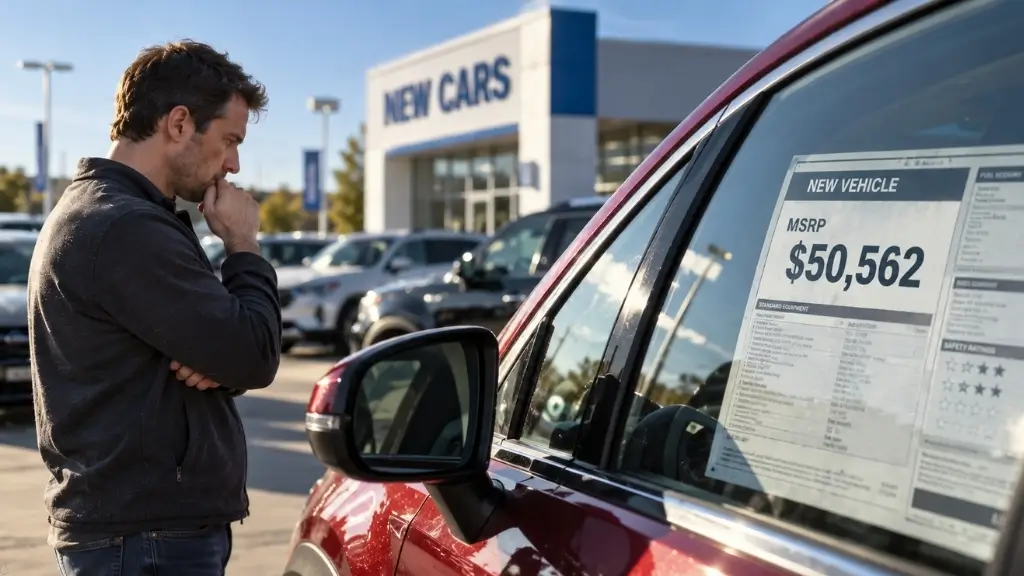
- Dealers are seeing shoppers place greater emphasis on value, monthly payments and affordable vehicles.
- New-vehicle inventory is moving toward balance, but sourcing affordable used vehicles remains a challenge.
- Profit sentiment improved modestly despite weaker traffic and sales conditions, suggesting dealers are adapting to a more selective market.
Cox Automotive’s Dealer Sentiment Index fell across several key market measures in Q3, as affordability concerns, elevated interest rates and broader economic uncertainty weighed on dealer confidence. The survey included 929 franchised and independent dealers surveyed between July 22 and Aug. 5.
Additionally, the survey found that current market sentiment fell to 41, while future market sentiment declined to 46. Customer traffic dropped to 34, below the long-term Q3 score of 38. Franchised dealers also reported the sharpest deterioration, as its market index fell to 49 in the third quarter, down from 53 in the second quarter and from 53 a year earlier, according to Automotive News’ review of the survey.
Dealers noted that shoppers are increasingly prioritizing value and monthly payments, as sentiment for new-vehicle sales fell to 50, below the long-term Q3 average of 55, while used-vehicle sales sentiment dropped to 43, below the long-term score of 51. Demand for lower-priced vehicles also strengthened, with new-vehicle inventory sentiment at 54, above the long-term Q3 score of 50, though growth slowed during the quarter.
According to the report, used-vehicle inventory improved to 43, surpassing its long-term Q3 score of 40, but dealers still face challenges in sourcing affordable used cars. Profit sentiment rose slightly to 39 but stayed below the long-term Q3 average of 43. The Cost Index was 71 in Q3, remaining high by historical standards, with dealers citing costs such as insurance, payroll, vendors, and advertising as major profit pressures.
Economic conditions
Dealers cited the economy as the top factor holding back their business, named by 54% of respondents. Market conditions followed at 42%, and interest rates reached 34%, moving higher on dealers’ list of concerns during the quarter, while political climate was cited by 32% of dealers.
BEV sales sentiment improved to 41 despite weaker overall market measures. The results point to an increasingly selective consumer environment, with dealers balancing weaker traffic and sales against improving inventory conditions and modestly better profit sentiment.