As vehicles become more connected, consumers gain new features that can make driving more exciting, but they also share more personal information with automakers. During today’s CBT Live segment, Lauren Fix, Founder of Car Coach Reports, shared insights on how this issue is growing in importance for dealers, especially since many consumers blame dealerships for data practices that are actually managed by automakers and their software.
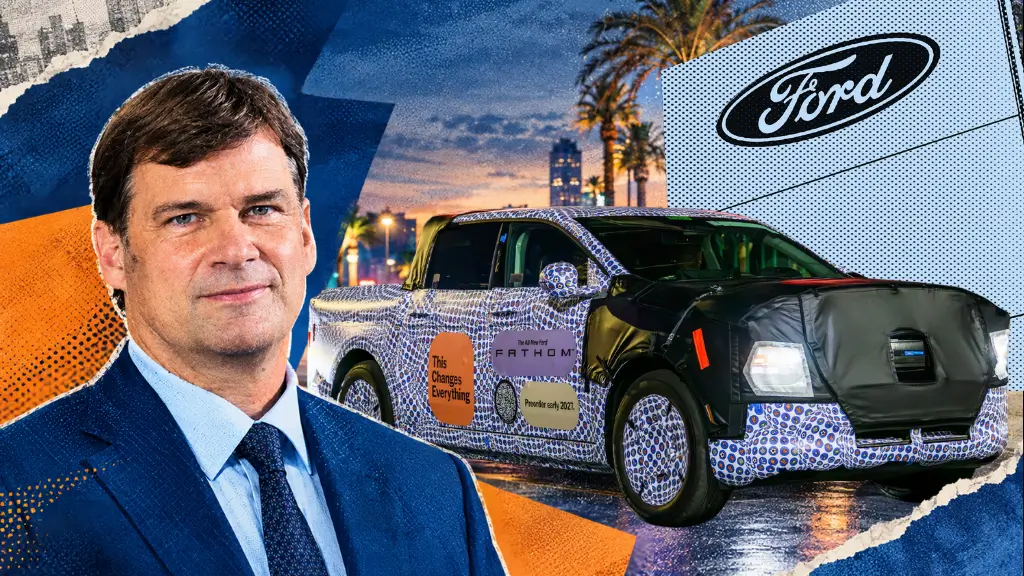
Fix recounted that her concerns about connected vehicles grew after a personal software update on her Ford Bronco Raptor seemed to restore data-sharing permissions she had disabled. The vehicle briefly indicated that permissions were enabled, prompting her to review and revert the settings. She then emphasized the issue’s broader scope beyond Ford, noting that it is tied to automakers’ software and connected-vehicle systems rather than dealer-controlled. For dealers, it’s crucial to understand these systems, as customers might still direct privacy complaints to the retailer.
The issue also poses a potential customer-communication challenge regarding connected services, Bluetooth, and vehicle software. Fix said that while consumers may believe they have opted out of data collection, information can still be transmitted when they connect smartphones or use other vehicle-connected features. She argued that consumers need clearer disclosures and a reliable way to opt out. Fix also noted growing consumer interest in simpler vehicles with less technology, suggesting that automakers’ push toward greater connectivity could eventually face resistance from buyers who prioritize privacy and simplicity.
Nevertheless, Fix said data ownership could become an increasingly important issue for automakers, dealers, and consumers. She argued that consumers should have greater control over vehicle-generated data and suggested that dealerships could use transparent data practices to differentiate themselves when communicating with customers. She also said AI could help consumers navigate lengthy privacy agreements by identifying data-sharing provisions and explaining how to opt out.
Ultimately, for dealers, the broader takeaway is that data privacy is becoming part of the ownership and buying experience. As connected features expand, dealerships that can clearly explain what they control, what the OEM controls, and what consumers can do with their settings may be better positioned to address customer concerns.