TSLA354.720-7.72%
GM83.9600.3%
F12.4300.12%
RIVN12.420-0.6%
CYD26.020-0.33%
HMC34.2800.22%
TM194.6102.67%
CVNA58.830-1.7899%
PAG212.4200.42%
LAD295.140-0.17%
AN161.7301.93%
GPI242.2202.42%
ABG170.0500.18%
SAH63.6100.1%
TSLA354.720-7.72%
GM83.9600.3%
F12.4300.12%
RIVN12.420-0.6%
CYD26.020-0.33%
HMC34.2800.22%
TM194.6102.67%
CVNA58.830-1.7899%
PAG212.4200.42%
LAD295.140-0.17%
AN161.7301.93%
GPI242.2202.42%
ABG170.0500.18%
SAH63.6100.1%
TSLA354.720-7.72%
GM83.9600.3%
F12.4300.12%
RIVN12.420-0.6%
CYD26.020-0.33%
HMC34.2800.22%
TM194.6102.67%
CVNA58.830-1.7899%
PAG212.4200.42%
LAD295.140-0.17%
AN161.7301.93%
GPI242.2202.42%
ABG170.0500.18%
SAH63.6100.1%

Trump administration set to finalize major fuel-economy rollback

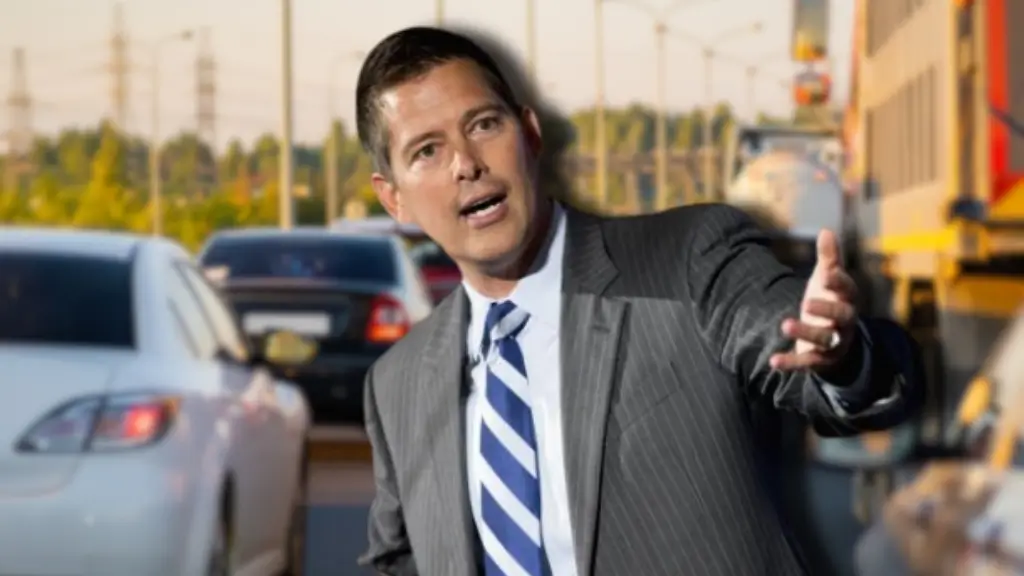
Transportation Secretary Sean Duffy says new standards will prioritize consumer demand and reduce automakers’ fuel-economy requirements.

Trump administration set to finalize major fuel-economy rollback

On the Dash:

  • Lower standards could give automakers more room to build trucks, SUVs and other higher-demand vehicles.
  • Reduced fuel-economy requirements could slow the regulatory push toward EVs and other highly efficient vehicles.
  • Dealers may see broader availability of vehicles that better match consumer preferences.

On Monday, Transportation Secretary Sean Duffy said that the Trump administration will soon finalize significantly lower vehicle fuel-economy standards, reversing the previous administration’s push to require automakers to produce more fuel-efficient vehicles.

The National Highway Traffic Safety Administration (NHTSA) proposed in December lowering fleetwide fuel-economy requirements for model years 2022 through 2031. Under that proposal, automakers would need to reach a fleetwide average of 34.5 miles per gallon by 2031, down from the 50.4 mpg target set under former President Joe Biden.

Sign up for CBT News’ daily newsletter and get the latest industry stories delivered straight to your inbox.

Duffy called the new standard a “common-sense” approach at an appearance in Sterling Heights, saying it would let automakers build vehicles that Americans actually want to buy rather than models he said the previous administration pushed onto the market. He argued the earlier rules put pressure on consumers to adopt specific vehicle technologies instead of following demand.

The final rule would give automakers more flexibility in product planning, easing pressure to prioritize highly efficient vehicles. The change could support continued production of larger trucks and SUVs while giving manufacturers more room to balance EVs, hybrids and internal combustion vehicles.

Dealer impact

Dealers could see a wider mix of vehicles that better match current demand as automakers gain more flexibility to focus on trucks and SUVs. The change could also shape future inventory planning as OEMs adjust their product strategies around the new standards.
More from Industry News
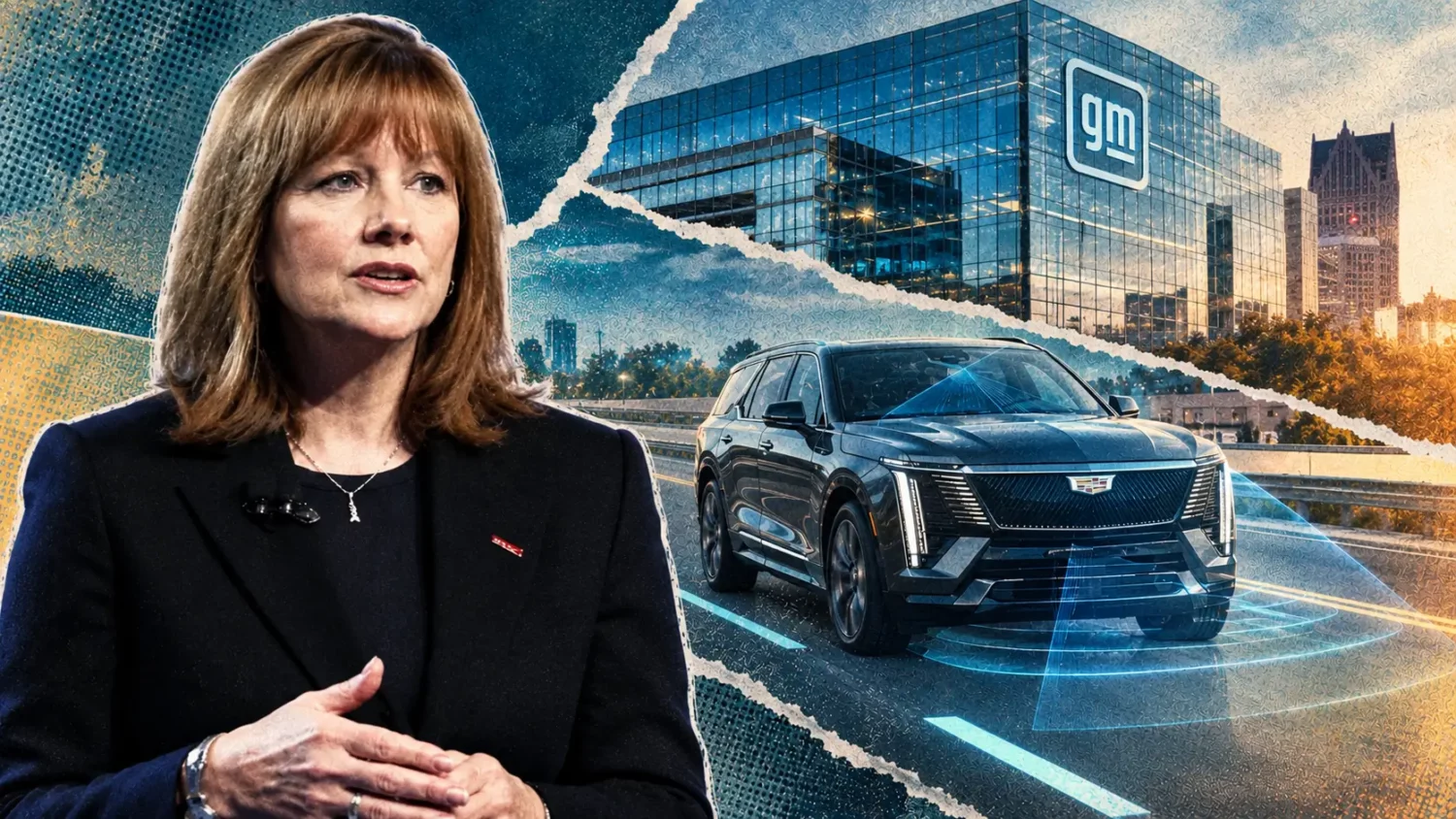
GM CEO Mary Barra tells CNBC’s Mad Money that eyes-off driving is on track for 2028

GM CEO Mary Barra tells CNBC’s Mad Money that eyes-off driving is on track for 2028

- October 16, 2026
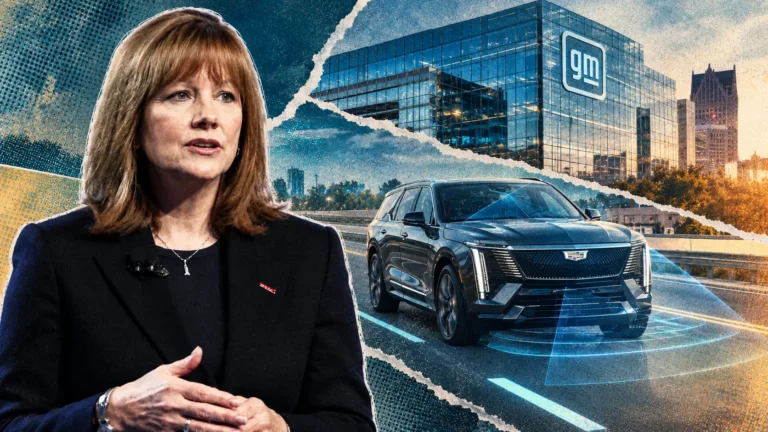
On the Dash: GM eyes-off driving is on track for 2028, CEO Mary Barra told CNBC’s Mad Money. Barra said GM is focused on personal vehicles after exiting the Cruise...
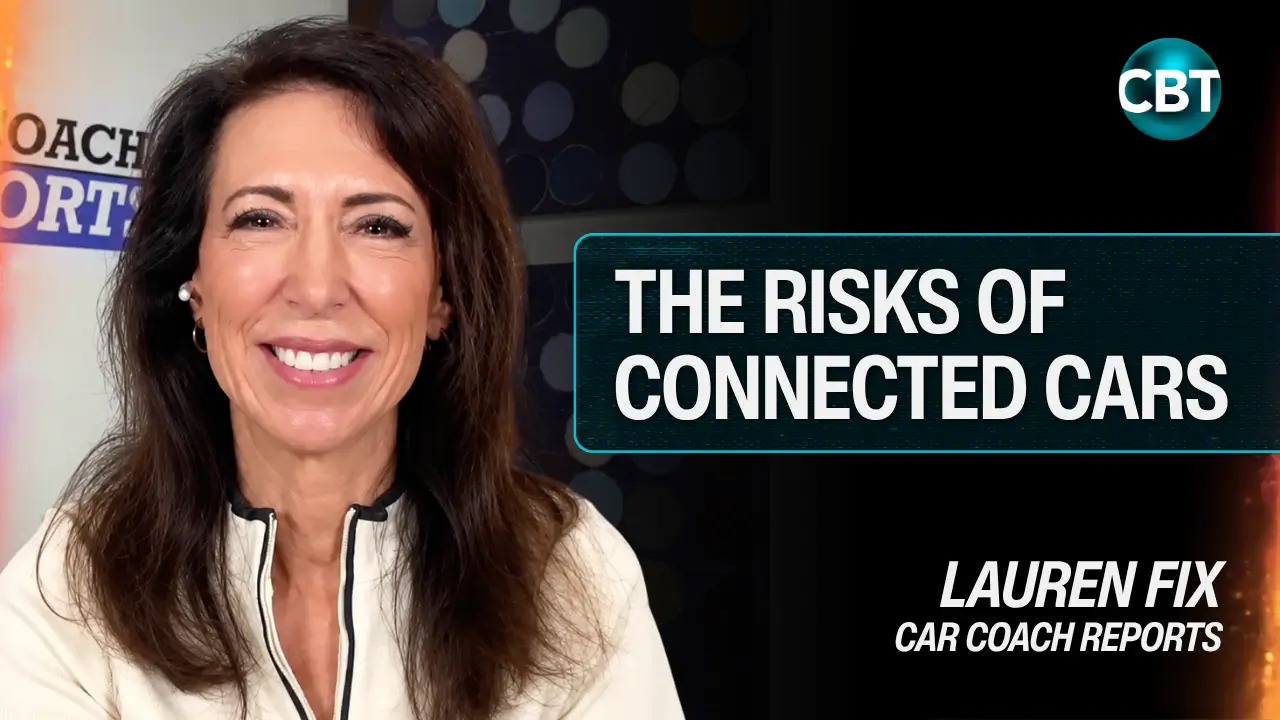
How advanced vehicle technology creates new challenges for dealers

How advanced vehicle technology creates new challenges for dealers

- October 16, 2026
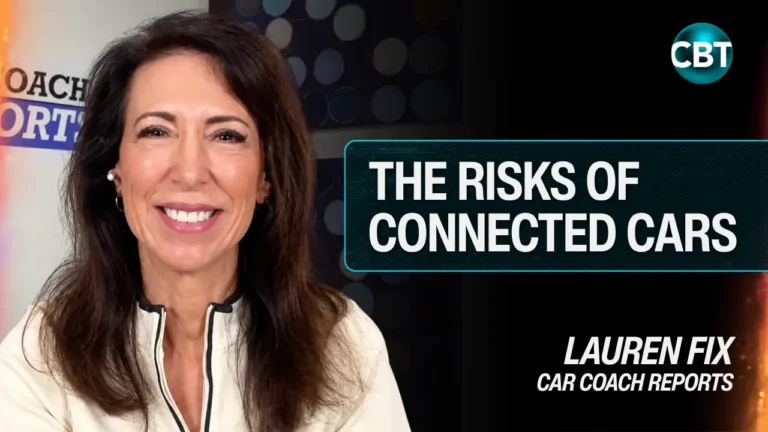
From advanced headlights to connected-car data collection, new vehicle technology is creating more opportunities for dealers to educate customers before and after a sale. Lauren Fix, Automotive Expert and Founder...
Penske Automotive to go private in $16.3 billion deal

Penske Automotive to go private in $16.3 billion deal

- October 16, 2026
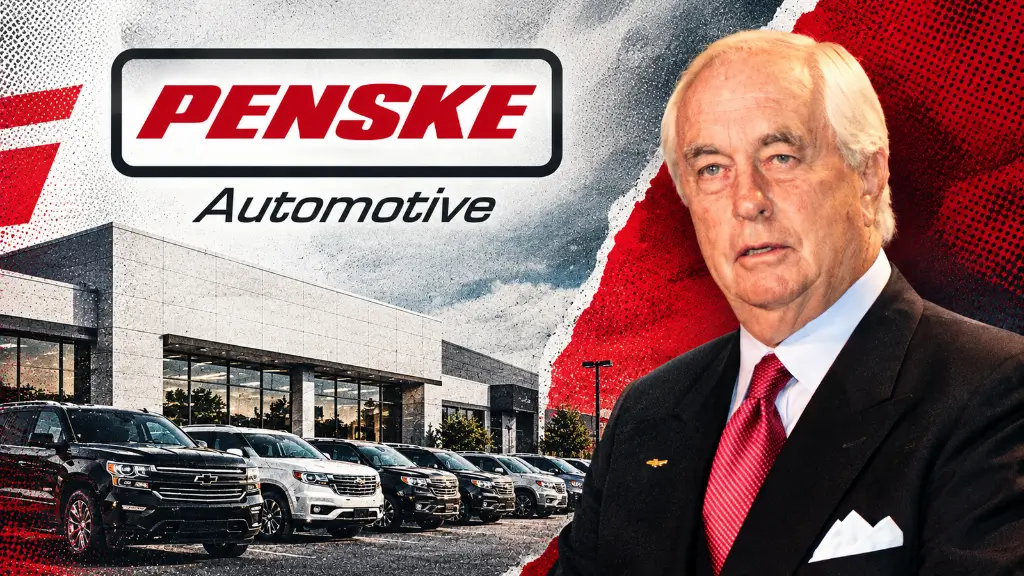
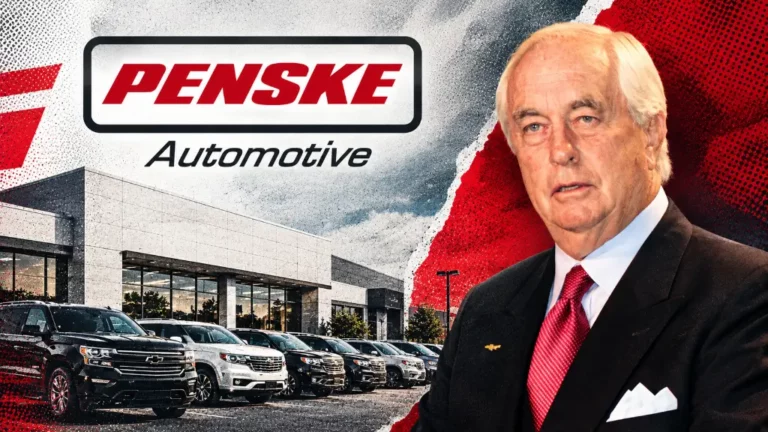
On the Dash: Penske Automotive is going private at a $16.3 billion enterprise value. Shareholders will receive $212 per share in cash, an 8.84% premium to Wednesday’s close. Closing is...
Volvo Cars expands automated driving partnership with Nvidia, launch expected in 2030

Volvo expands automated driving partnership with Nvidia, launch expected in 2030

- October 16, 2026
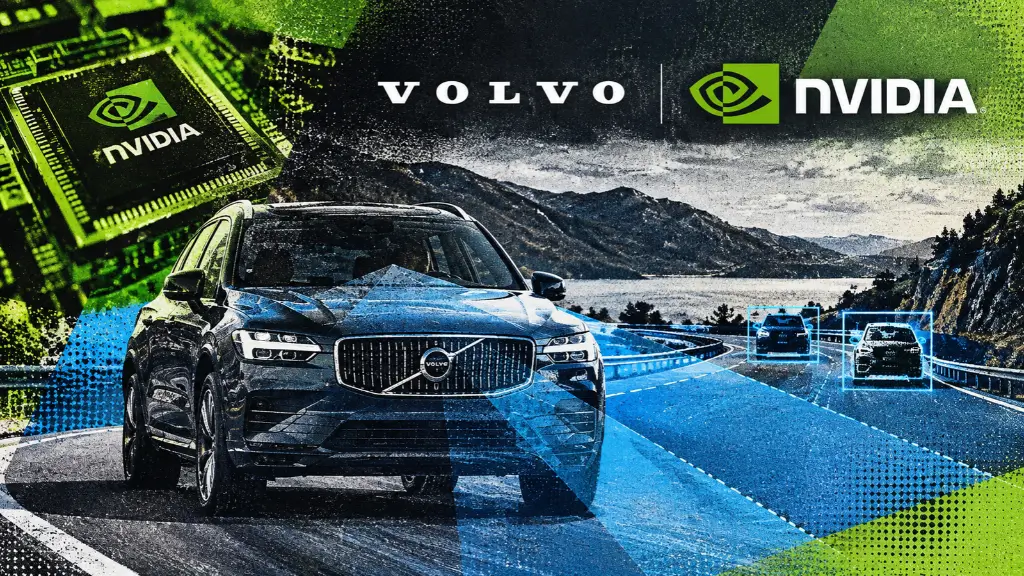
On the Dash: The Volvo-Nvidia partnership expands to develop next-generation driver-assistance and automated-driving technology. First deployment will focus on supervised driving, with drivers remaining responsible for the vehicle. Technology should...
CBT News
Privacy Overview

This website uses cookies so that we can provide you with the best user experience possible. Cookie information is stored in your browser and performs functions such as recognising you when you return to our website and helping our team to understand which sections of the website you find most interesting and useful.