On the Dash:
- Hyundai production disruptions could pressure inventory availability if the strike expands.
- Labor negotiations increasingly center on AI deployment and workforce protections, signaling a growing industry trend.
- Higher labor costs from a new contract could influence future vehicle pricing and manufacturing strategies.
Hyundai workers began a three-day partial strike Monday after contract negotiations broke down over wages, bonuses and job protections tied to the automaker’s expanding use of artificial intelligence and robotics.
Production employees at Hyundai’s South Korean plants are leaving work two hours early through Wednesday after last week’s government-mediated wage talks failed to produce an agreement. Union leaders plan to meet Thursday to determine whether the union should take additional labor action while negotiations continue behind the scenes.
The union is demanding a performance bonus equal to 30% of Hyundai’s previous year’s consolidated net profit, arguing that employees should share more directly in the company’s earnings. The demand gained momentum after Samsung Electronics and SK Hynix awarded substantial bonuses to semiconductor employees benefiting from the AI boom.
Job security demands
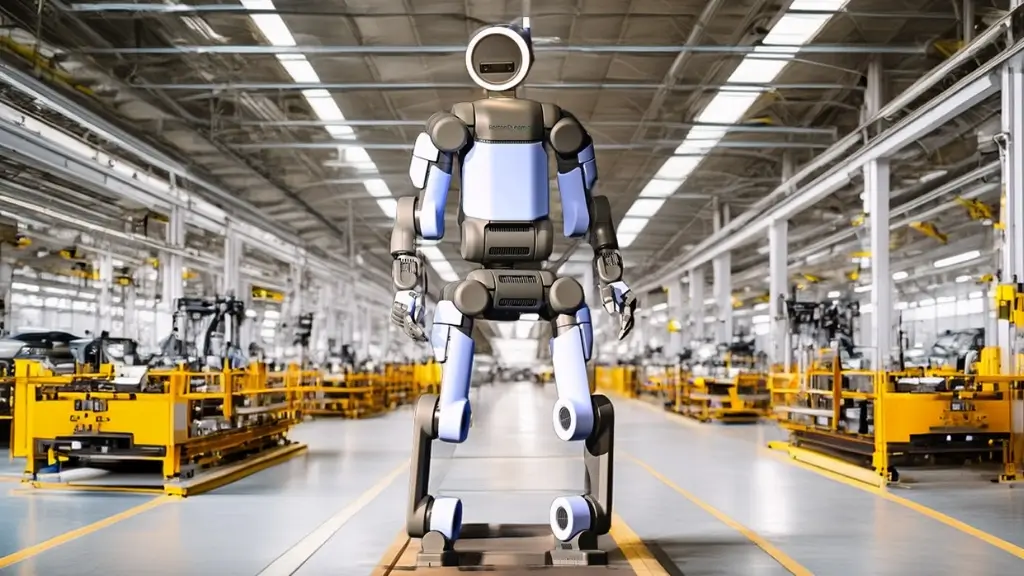
Beyond compensation, workers are seeking guarantees that Hyundai will negotiate with the union before deploying its Atlas humanoid robot, developed by Boston Dynamics, into manufacturing operations. Hyundai plans to introduce the robots for repetitive production tasks in U.S. factories beginning in 2028 before expanding their role in assembly operations by 2030. The union is also requesting income protections tied to automation, a higher retirement age and larger annual bonuses.
Notably, Hyundai has proposed an 89,000-won base pay increase, a performance bonus equal to 350% of the monthly salary plus 10 million won, and 15 company shares, but union leaders rejected the offer as insufficient.
The work stoppage could have broader implications for Hyundai’s global supply chain. South Korea accounts for nearly half of the automaker’s worldwide production, with Hyundai exporting more than 1 million vehicles annually. Last year’s partial strikes reduced production by approximately 7,000 vehicles, highlighting the potential impact on inventory if the dispute extends beyond this week.