TSLA348.750-6.06001%
GM86.2700.09%
F13.870-0.08%
RIVN16.070-0.73%
CYD38.210-2.18%
HMC31.8600.53%
TM194.4802.48%
CVNA74.040-0.05%
PAG217.010-0.84%
LAD370.360-0.68%
AN200.0901.34%
GPI263.9501.91%
ABG211.6200.95%
SAH79.6800.39%
TSLA348.750-6.06001%
GM86.2700.09%
F13.870-0.08%
RIVN16.070-0.73%
CYD38.210-2.18%
HMC31.8600.53%
TM194.4802.48%
CVNA74.040-0.05%
PAG217.010-0.84%
LAD370.360-0.68%
AN200.0901.34%
GPI263.9501.91%
ABG211.6200.95%
SAH79.6800.39%
TSLA348.750-6.06001%
GM86.2700.09%
F13.870-0.08%
RIVN16.070-0.73%
CYD38.210-2.18%
HMC31.8600.53%
TM194.4802.48%
CVNA74.040-0.05%
PAG217.010-0.84%
LAD370.360-0.68%
AN200.0901.34%
GPI263.9501.91%
ABG211.6200.95%
SAH79.6800.39%

New U.S. trade proposal would raise vehicle content requirements, reshape North American supply chains

The proposal would raise regional content requirements for vehicles, exclude Canadian content from key calculations, and increase pressure on automakers’ North American supply chains.

New U.S. trade proposal would raise vehicle content requirements, reshape North American supply chains

On the Dash:

  • Higher U.S. content requirements could increase sourcing and manufacturing costs across the automotive supply chain.
  • Changes to USMCA rules may affect vehicle pricing, production strategies, and inventory planning.
  • Ongoing trade negotiations create uncertainty for automakers operating across the U.S., Mexico, and Canada.

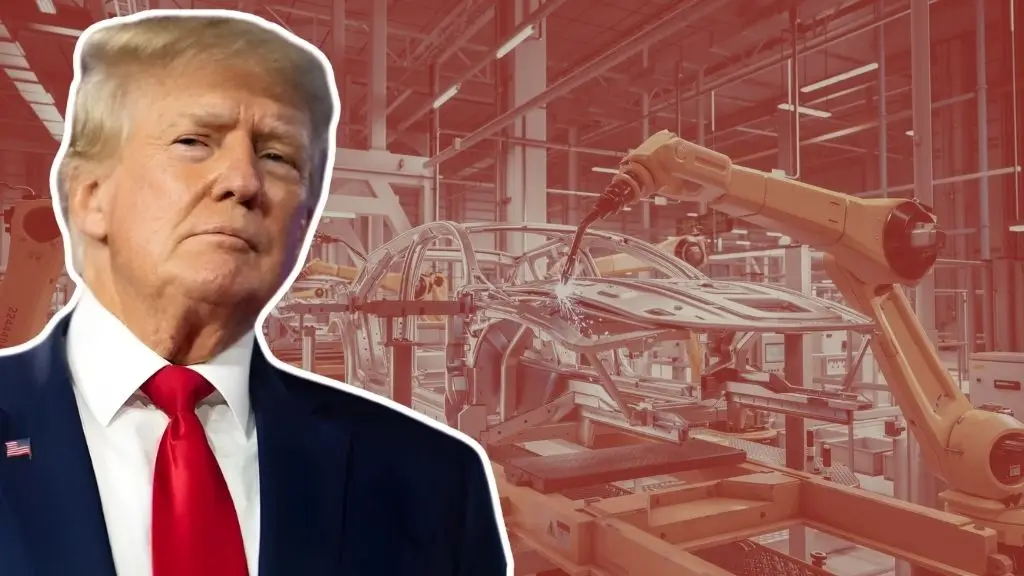
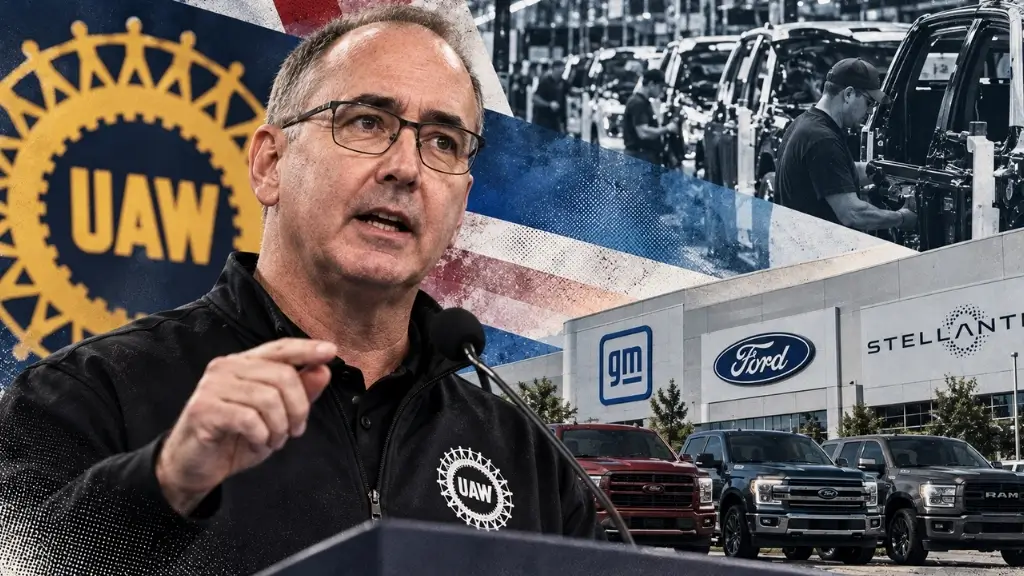
On May 29, President Donald Trump demanded that Mexico raise the regional content level for North American-built cars and trucks to 82% to qualify for preferential trade deal access, with 50% of that value produced in the U.S.

Automakers learned of the proposed new thresholds during bilateral negotiations to revise the U.S.-Mexico-Canada Agreement (USMCA) on trade, which concluded Friday.

Sign up for CBT News’ daily newsletter and get the latest industry stories delivered straight to your inbox.

Currently, USMCA rules require 75% North American content for vehicles to receive tariff benefits. The U.S. proposal would increase that threshold to 82%. Additionally, the administration wants at least 50% of the vehicle’s value to originate in the United States.

Notably, the revised calculations would not count Canadian parts and vehicle content.

Canada’s impact

The proposal reflects ongoing criticisms from Trump administration officials regarding Canadian exports of vehicles and auto parts to the U.S. Industry leaders believe U.S. Trade Representative Jamieson Greer may negotiate new automotive regulations with Mexico before presenting them to Canada. Questions remain, however, about whether the USMCA will stay a trilateral agreement or split into separate bilateral agreements.

The administration is also pushing for stricter methods to calculate local content in high-value vehicle components, which follows a 2023 dispute panel ruling that favored Canada and Mexico on content calculations.

U.S. negotiators also aim to tighten the rules governing engines, transmissions, major body components, and EV batteries. The administration may also raise regional value content requirements for heavy trucks from 70% to 75%.

The next steps

U.S. and Mexican negotiators will meet again June 16–17 in Washington, D.C., with a third round of talks scheduled for the week of July 20 in Mexico City. However, negotiators have not yet arranged formal talks with Canada.

Greer has suggested that some tariffs on industrial goods from Canada and Mexico may remain under any revised agreement, though the administration may consider preferential tariff rates.

The proposed revisions could greatly alter vehicle sourcing, manufacturing, and supply chain strategies across North America. Automakers may encounter increasing pressure to localize production in the United States to benefit from favorable trade treatment. Meanwhile, dealerships could experience downstream effects on vehicle availability, pricing, and product variety if stricter content rules are implemented.

More from Industry News
Data center backlash could reach automakers' new battery storage plans

Data center backlash could reach automakers’ new battery storage plans

- August 27, 2026
On the Dash: Automakers are turning excess battery capacity into a new revenue opportunity as demand for EVs falls short of earlier expectations. Growing opposition to data centers could create...
Hyundai to launch more than 100 new and refreshed models by 2030

Hyundai plans 100 new and refreshed models by 2030

- August 27, 2026
On the Dash: Hyundai will send 58 of more than 100 new or updated models to North America by 2030 The automaker is raising its operating margin target above 9%,...
AutoTrust Dealer Alliance gives independent dealers big-name leverage

AutoTrust CEO: The answer to consolidation isn’t selling, it’s scale

- August 27, 2026
Scale has historically given large dealer groups an edge that franchise dealers struggle to match. AutoTrust Dealer Alliance is giving them a way to close that gap, letting dealers keep...
Lincoln revives Corsair for 2027 with China-built hybrid

Lincoln revives Corsair for 2027 with China-built hybrid

- August 26, 2026
On the Dash: Lincoln will bring back the Corsair for 2027, using China-built hybrids to maintain its presence in a key crossover segment. The Corsair will temporarily fill the gap...
CBT News
Privacy Overview

This website uses cookies so that we can provide you with the best user experience possible. Cookie information is stored in your browser and performs functions such as recognising you when you return to our website and helping our team to understand which sections of the website you find most interesting and useful.