TSLA399.15017.56%
GM80.8501.45%
F14.7100.41%
RIVN15.5400.78%
CYD47.9200.01%
HMC27.0700.96%
TM174.9502.92%
CVNA67.8200.57%
PAG181.0202.84%
LAD312.6607.83%
AN194.0700.86%
GPI324.910-1.19%
ABG199.4801.35%
SAH84.2500.1%
TSLA399.15017.56%
GM80.8501.45%
F14.7100.41%
RIVN15.5400.78%
CYD47.9200.01%
HMC27.0700.96%
TM174.9502.92%
CVNA67.8200.57%
PAG181.0202.84%
LAD312.6607.83%
AN194.0700.86%
GPI324.910-1.19%
ABG199.4801.35%
SAH84.2500.1%
TSLA399.15017.56%
GM80.8501.45%
F14.7100.41%
RIVN15.5400.78%
CYD47.9200.01%
HMC27.0700.96%
TM174.9502.92%
CVNA67.8200.57%
PAG181.0202.84%
LAD312.6607.83%
AN194.0700.86%
GPI324.910-1.19%
ABG199.4801.35%
SAH84.2500.1%

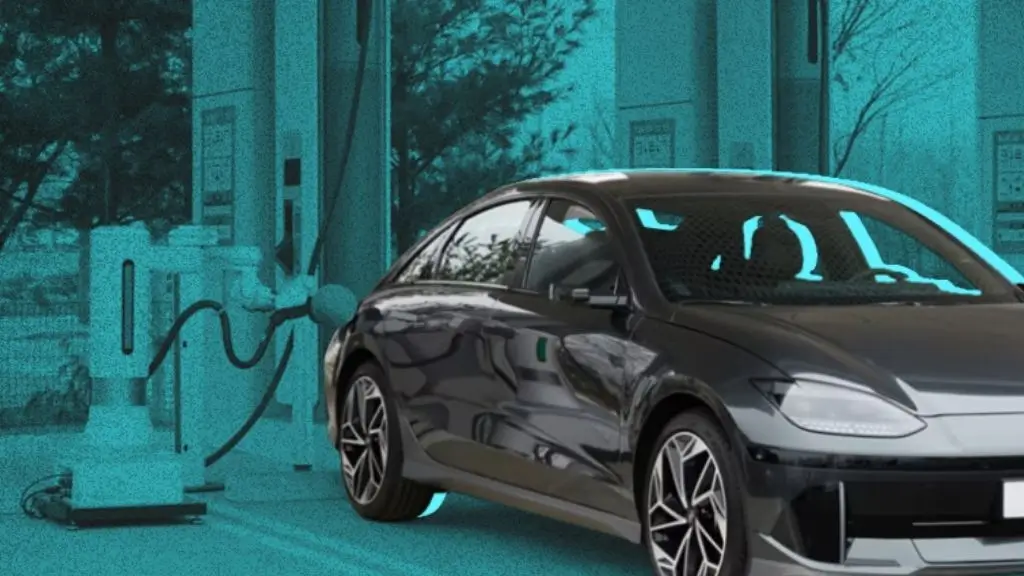
Hyundai extends EV charging unit warranty to 15 years despite ongoing defect concerns

Expanded coverage targets ICCU failures that can disable vehicles, affecting multiple high-volume EV models.

Hyundai extends EV charging unit warranty to 15 years

On the Dash:

  • Extended warranty coverage may reduce customer friction but increase service traffic tied to ICCU diagnostics and repairs.
  • Ongoing concerns about EV component reliability could affect buyer confidence and dealership sales conversations.
  • Potential expansion of similar programs to Kia and Genesis may broaden service and warranty exposure across dealer networks.

Hyundai is extending its warranty coverage on a key EV component following years of reported failures that can leave vehicles inoperable, according to a new Cars.com report.

The automaker intends to cover the integrated charging control unit (ICCU) for up to 15 years or 180,000 miles in affected EVs, significantly expanding protection beyond its standard warranty. The component, often referred to as the onboard charger, regulates power flow between the high-voltage battery and the vehicle’s 12-volt system.

Sign up for CBT News’ daily newsletter and get the latest industry stories delivered straight to your inbox.

The move follows widespread reports dating back to 2021 of ICCU failures that can result in a complete loss of power.

The automaker previously recalled nearly 150,000 vehicles in 2024 tied to the issue, with additional affected models spanning Hyundai, Kia, and Genesis brands built on the E-GMP platform.

Impacted vehicles include popular models, such as:

  • Hyundai Ioniq 5
  • Ioniq 6
  • Kia EV6
  • Several Genesis EVs.

While Hyundai has confirmed the warranty extension, similar actions from Kia and Genesis have not yet been formally announced, though updates to dealers are expected.

The ICCU plays a critical role in EV operation, managing both charging and auxiliary battery support. Failures can prevent the 12-volt battery from charging, ultimately leading to vehicle shutdown and increased safety risks.

More from Safety & Compliance
FeeSync, from S&P Global Mobility, available to the entire auto industry at no cost amid FTC pricing pressure

FeeSync available to entire auto industry at no cost amid FTC pricing pressure

- June 11, 2026
On the Dash: S&P Global Mobility is opening FeeSync to the entire auto industry at no cost. FeeSync gives dealers one centralized platform to manage and syndicate fee data across...
How dealers can navigate compliance and AI adoption 

How dealers can navigate compliance and AI adoption 

- June 11, 2026
Technology, AI, and pricing transparency are rapidly transforming the dealership experience. On today’s episode of Inside Automotive, Michael Affronti, Chief Product & Business Officer at DriveCentric, joins us to discuss...
How AI can uncover hidden revenue in your dealership

How AI can uncover hidden revenue in your dealership

- June 10, 2026
Mike Gilson, CEO of Conversica, says dealerships are sitting on years of buried data that AI can now unlock. Dealers still running disconnected legacy systems are leaving measurable revenue on...
How the FTC's pricing rules are impacting dealers now and what needs to change

How the FTC’s pricing rules are impacting dealers now and what needs to change

- June 9, 2026
The Federal Trade Commission's (FTC) new advertising compliance rules are forcing dealers to monitor at least 16 violation categories across every department and every channel. Social posts, emails, and third-party...