On the Dash:
- Ford’s buyback plan aims to stabilize the share price as stock-based employee compensation increases the total number of shares.
- The strategy differs from GM’s more aggressive $6 billion buyback approach and reinforces Ford’s dividend-focused shareholder returns.
- Industry uncertainty, including EV demand and policy shifts, continues to influence automakers’ capital allocation strategies.
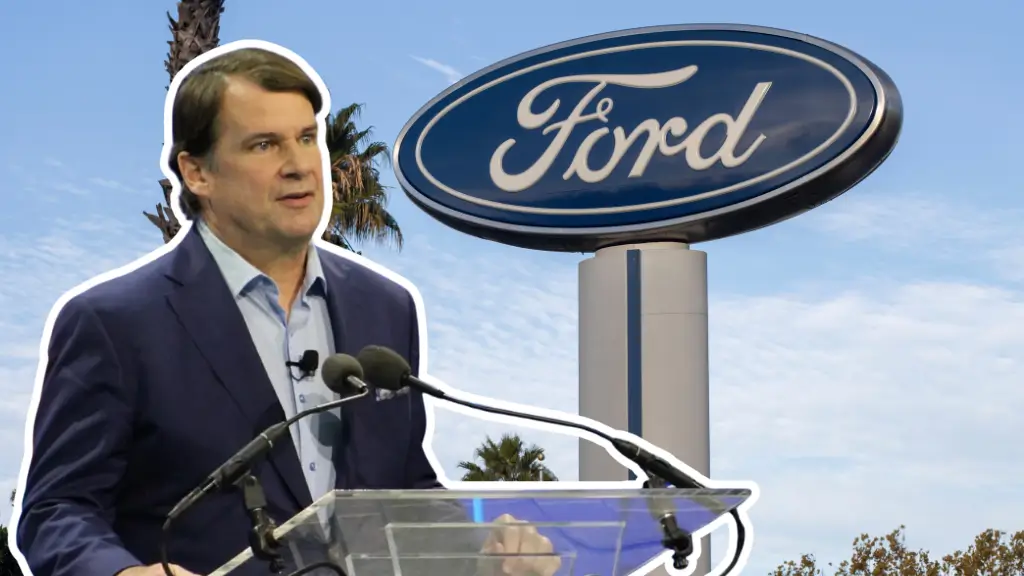
Ford announced plans to repurchase up to 31.7 million common shares, marking the company’s first buyback initiative since 2024. The Dearborn automaker said the program is primarily designed as an anti-dilutive measure to offset the impact of stock-based compensation granted to executives and employees.
When Ford distributes stock awards as part of compensation packages, the total number of outstanding shares increases. A larger supply of shares can place downward pressure on the company’s stock price. By buying back shares in advance, Ford reduces the number of shares circulating in the market, helping to stabilize its stock value. The company took similar steps between 2021 and 2024.
However, the strategy contrasts with General Motors’ approach, which has pursued more aggressive buybacks. GM’s board has approved a $6 billion share repurchase program for the year. Analysts have previously noted that Ford has relied more on dividends than on buybacks to return value to shareholders.
Notably, Ford’s shares are up roughly 18% year-over-year but remain down 5% over the past five years. GM’s shares, by comparison, are roughly flat year-over-year but have increased almost 29% during the same five-year period.
The company maintains a regular dividend of 15 cents and occasionally issues supplemental dividends, although none were granted this year. Ford’s annual dividend yield currently stands at 5.13%, down from almost 6.5% last winter, according to data from Koyfin Inc. Conversely, GM’s dividend yield is less than 1%.
Ford reported adjusted free cash flow of $3.5 billion last year, and forecasts adjusted free cash flow of $5 billion to $6 billion this year. The measure reflects the company generating more cash than it spends. Nevertheless, the automaker has indicated it will continue to evaluate capital allocation decisions quarterly as market conditions evolve.