Toyota is doubling down on its electrification strategy with the all-new 2026 Toyota C-HR BEV, a compact electric crossover that blends performance, technology, and practicality in a package designed to compete in one of the fastest-growing segments in the industry. For dealers, this vehicle represents more than just another EV. It is a strategic entry positioned to attract younger buyers, urban commuters, and existing Toyota loyalists looking to transition into a fully electric vehicle without sacrificing performance or capability.
Performance is where the 2026 C-HR BEV immediately separates itself from many of its direct competitors. With 338 combined system net horsepower and standard all-wheel drive, this is not a compliance car. It accelerates from zero to 60 miles per hour in just 4.9 seconds, placing it firmly in performance crossover territory rather than entry-level EV status. That level of output, paired with confident handling and a wide stance, gives the C-HR BEV a distinctly athletic personality.
Power comes from a 74.7 kWh battery pack that delivers an estimated all-electric driving range of up to 287 miles. That range figure places it competitively within the compact EV crossover category and addresses one of the most persistent concerns among consumers: range anxiety. Toyota also includes battery preconditioning, which brings the battery to an optimal temperature prior to DC fast charging. This feature is particularly valuable in colder climates, where charging speeds can otherwise be reduced. For dealers in northern markets, that is a meaningful selling point.
Charging capability is another highlight. The C-HR BEV features DC fast-charging capability that allows a 10 to 80 percent charge in approximately 30 minutes. It also includes an 11-kW onboard AC charger for home and Level 2 charging. Notably, the vehicle is equipped with NACS charging compatibility, providing access to Tesla’s Supercharger network. That access to thousands of Level 3 charging stations nationwide significantly strengthens the ownership proposition and removes a key competitive advantage previously held by Tesla.
Toyota has also integrated steering wheel-mounted paddle shifters that control regenerative braking, with four selectable levels of regeneration. This gives drivers a more engaging and customizable experience while helping maximize efficiency. Standard all-wheel drive further broadens the C-HR BEV’s appeal in regions where inclement weather capability is essential.
Safety remains a core pillar of Toyota’s value proposition. The C-HR BEV comes equipped with Toyota Safety Sense 3.0, which includes advanced driver assistance technologies such as Blind Spot Monitor, Lane Change Assist, and Traffic Jam Assist. These features are increasingly expected by consumers in this price range, and Toyota’s comprehensive safety suite continues to be a strong differentiator in showroom conversations.
Inside, the 2026 C-HR BEV reflects Toyota’s continued push toward a more modern and premium interior design language. A large 14-inch touchscreen anchors the dashboard, complemented by a fully digital gauge cluster. Soft-touch materials and customizable ambient lighting enhance the upscale feel, while dual wireless chargers in the center console address practical daily-use needs. Wireless Apple CarPlay and Android Auto are standard, as is a Wi-Fi Connect hotspot, ensuring seamless connectivity.
Seating materials range from fabric and SofTex-trim to synthetic suede, depending on trim level. The driver benefits from an eight-way power seat, while the passenger seat is six-way manual in the SE trim. In the XSE trim, buyers gain an eight-way power passenger seat and driver memory functionality. Heated and ventilated seats are available, along with a heated steering wheel, further enhancing comfort in varying climates. Rear passengers are not overlooked, with rear cabin air conditioning controls and two USB-C ports complementing the front USB-C connection. The voice-activated “Hey Toyota” system adds an intuitive layer of interaction for navigation and infotainment functions.
Audio options include a standard six-speaker system in the SE trim, while the XSE offers an available nine-speaker JBL Premium Audio system. The trim walk strategy is straightforward, with SE and XSE variants, allowing dealers to guide customers through a clear upgrade path based on comfort and audio preferences.
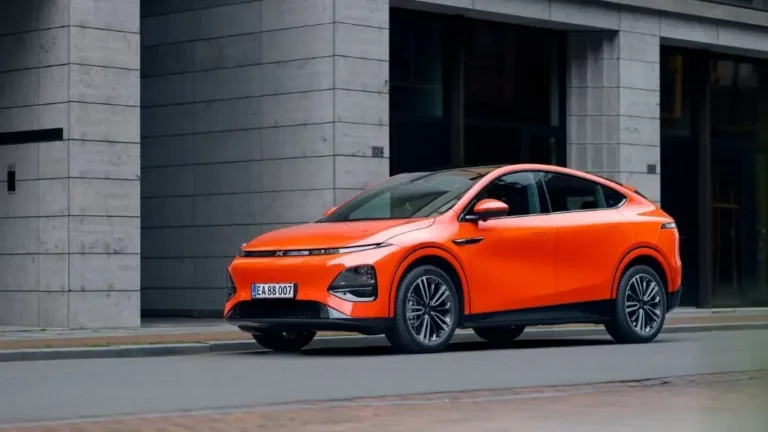
Design plays a central role in the C-HR BEV’s identity. It features a coupe-like SUV profile with flowing body lines and a wide stance that emphasize sportiness. Slightly shorter than the 2025 Toyota RAV4, the C-HR BEV occupies a compact footprint that suits urban environments while maintaining a confident road presence. Wheel options include 18-inch and 20-inch designs, and buyers can select from a variety of single-tone and two-tone paint options. A fixed glass panoramic roof is available, enhancing the sense of openness in the cabin. Low-profile roof rails and a power liftgate contribute to both functionality and aesthetic appeal.
Cargo capacity remains competitive within the segment. With 60/40 split-folding rear seats, the C-HR BEV offers up to 25.4 cubic feet of cargo space behind the second row and up to 59 cubic feet with the seats folded flat. That versatility makes it suitable for daily commuting, weekend travel, and light utility use, expanding its potential buyer base.
Toyota backs the C-HR BEV with a three-year or 36,000-mile basic warranty and a 60-month powertrain warranty. The electric powertrain components are covered for eight years or 100,000 miles, reinforcing long-term ownership confidence. ToyotaCare also includes scheduled maintenance for two years or 25,000 miles, which remains an attractive selling point for value-conscious buyers.
Pricing starts at $37,000 for the SE trim and $39,000 for the XSE trim. At those price points, the C-HR BEV enters a competitive set that includes the Nissan Leaf, Chevrolet Bolt, Hyundai Kona Electric, Kia Niro EV, and Mini Cooper EV. However, with standard all-wheel drive, nearly 300 miles of range, strong performance figures, and access to Tesla’s charging infrastructure, Toyota positions the C-HR BEV as a more performance-oriented and technology-rich alternative.
For dealers, the 2026 Toyota C-HR BEV offers a compelling mix of performance, range, connectivity, and brand trust. As EV competition intensifies and consumer expectations continue to rise, vehicles that balance excitement with practicality will be critical. The C-HR BEV appears designed to do exactly that, signaling Toyota’s intent to remain a serious contender in the electric crossover market.
Lauren Fix, The Car Coach®, is a nationally recognized automotive expert, analyst, and consumer advocate. You’ve seen her on television, radio, and across digital platforms, breaking down the latest in automotive news and reviews. For more updates and expert insight, follow Lauren at The Car Coach Reports.
Listen to The Drive Car Show – https://www.youtube.com/@thedrivecarshow