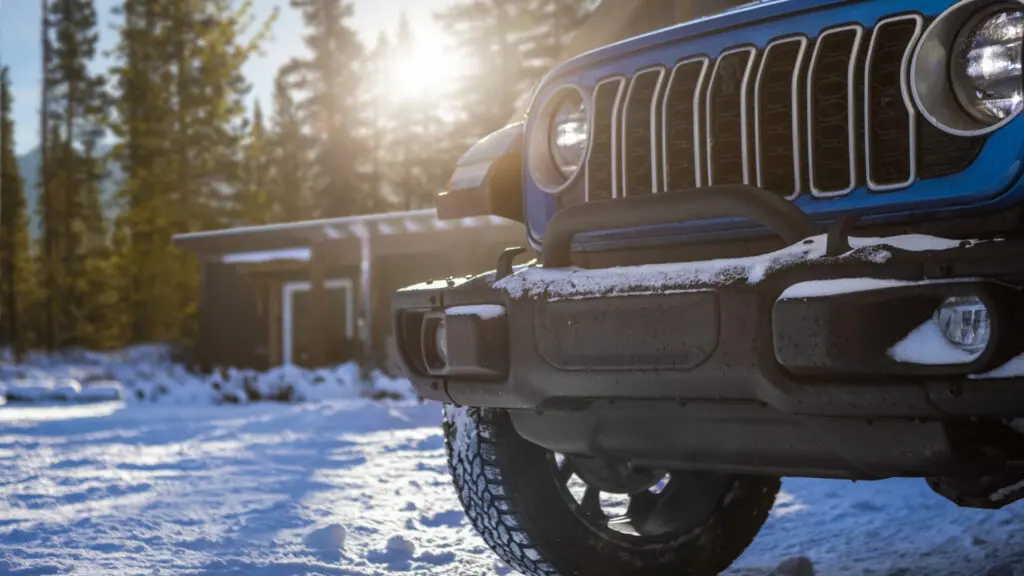
Jeep bet huge electrification. It promised buyers they could keep everything that made a Jeep a Jeep: capability, toughness, and identity while adding electric efficiency. For a brief moment, that bet paid off.
The Wrangler 4xe didn’t just succeed; it dominated. It became the best-selling plug-in hybrid in the United States, proof that electrification could work when it respected consumer priorities instead of lecturing them. The Grand Cherokee 4xe followed, extending that formula into a more refined, family-friendly SUV without stripping away Jeep’s DNA. Stellantis had done what many automakers couldn’t: electrify without alienating loyal buyers.
And then, almost overnight, they disappeared.
Without warning or a meaningful explanation, the Wrangler 4xe and Grand Cherokee 4xe vanished from Jeep’s website. They’re no longer listed under electric or hybrid offerings. They cannot be ordered. EPA ratings for future model years are missing. Dealers are under stop-sale orders. More than 320,000 vehicles are tied up in recalls involving serious safety risks.
Stellantis insists the vehicles are not discontinued, yet their absence is so complete it suggests something far more serious than a temporary pause.
This is not how a confident automaker behaves. So what happened?
Not long ago, Stellantis was proudly touting the 4xe lineup as proof that electrification could succeed in America. These were not side projects or experimental trims. The plug-in hybrids were a cornerstone of the company’s North American strategy, allowing it to meet fuel economy targets while keeping Jeep profitable and relevant. The Wrangler 4xe, in particular, became a regulatory and marketing success story, until reality caught up.
At the center of the problem is a massive recall affecting more than 320,000 Wrangler and Grand Cherokee 4xe models due to a defect in the high-voltage battery pack that has an increased fire risk. That alone is enough to halt sales and shake consumer confidence. But it doesn’t stop there. A separate recall involving potential engine failure caused by sand contamination has further complicated matters. Together, these issues are not an isolated defect, but points to deeper quality control problems in vehicles that were supposed to represent Jeep’s future.
Owners have been raising concerns for months. Electrical faults, warning lights, charging failures, and erratic performance have been widely reported. Consumer Reports recently named the Wrangler 4xe the most unreliable midsize SUV in its annual survey. Alarming for a brand built on durability and trust.
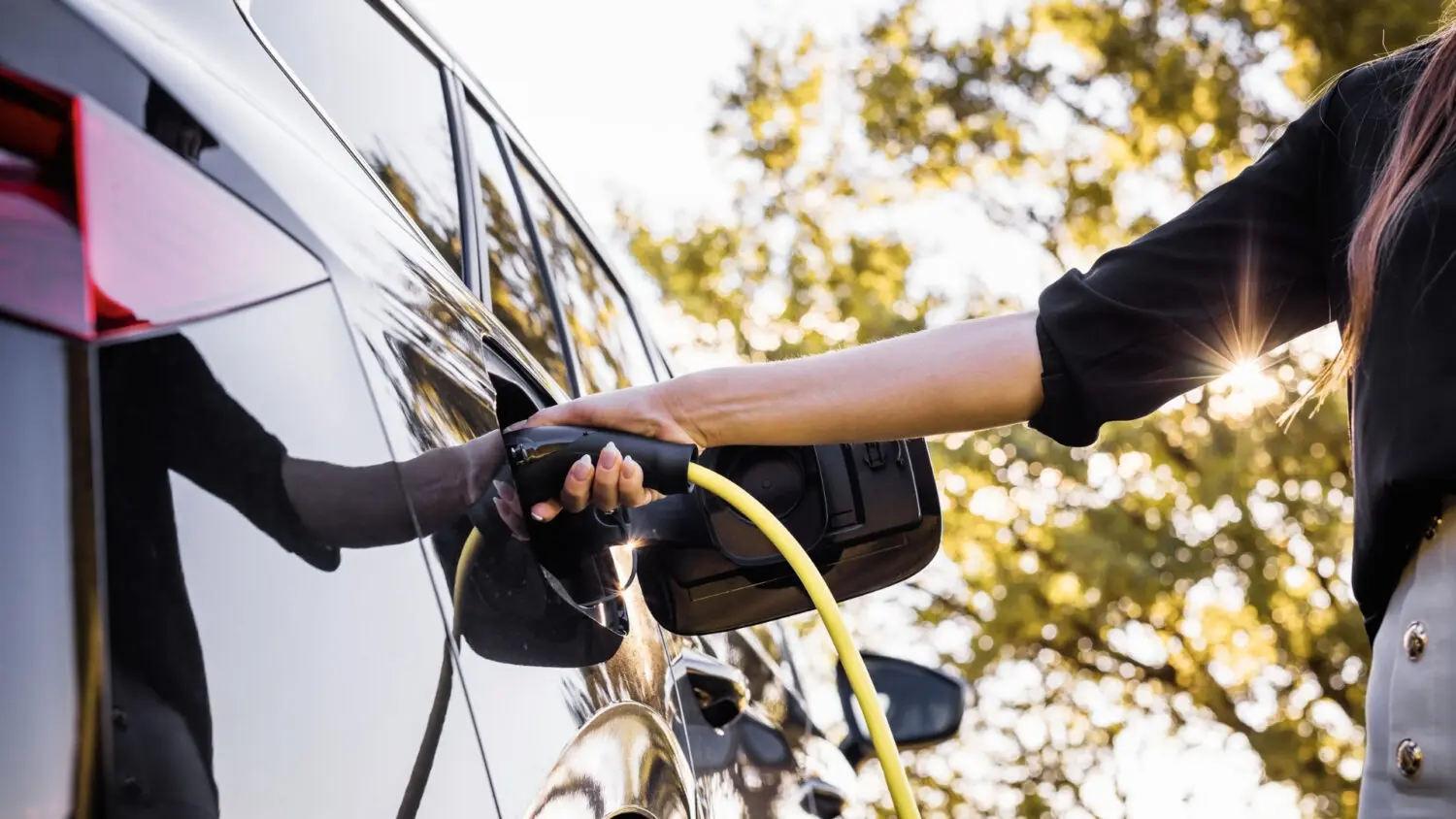
One owner affected by the battery recall documented the repair process, offering a rare look behind the curtain. Technicians connected the vehicle to a charger, performed a software update on the battery control module, and ran diagnostic testing. In some cases, that’s enough to clear the issue. In others, the battery fails validation and must be replaced entirely.
That distinction matters. A software update is inconvenient but manageable. A battery replacement is costly, complex, and time-consuming. High-voltage battery packs are among the most expensive components in any modern vehicle, and replacing them at scale creates serious financial strain, even for a global automaker.
For consumers, it raises uncomfortable questions about long-term ownership, resale value, and whether they’re absorbing risks that should have been resolved before these vehicles ever reached their driveway.
Plug-in hybrids were marketed as the sensible middle ground, the stable bridge between internal combustion and full electrification. Jeep sold the 4xe models as smarter, more efficient versions of vehicles buyers already trusted. On paper, the formula looked perfect. The Wrangler 4xe paired a turbocharged engine with electric motors to deliver 375 horsepower and impressive torque, along with about 21 miles of electric-only driving for daily commutes.
What buyers didn’t sign up for was uncertainty.
The implications extend far beyond Jeep. Stellantis invested billions in battery plants, EV platforms, and software-defined vehicles, betting heavily on electrification to meet regulatory demands. The 4xe lineup wasn’t optional, it was essential to that plan, particularly in North America. When the segment leader quietly pulls its products from the market, it sends a message that the challenges run deeper than advertised.
This also exposes the growing disconnect between political mandates and engineering reality. Under the Biden administration, automakers were pushed aggressively toward EV adoption, faster than consumer demand or infrastructure could support. Manufacturers responded by accelerating electrified vehicles to meet regulatory timelines, even when buyers weren’t fully on board. When expectations collide with reality, trust erodes quickly.
Under the Trump administration, those rules have shifted. EV mandates are no longer driving product decisions, and hybrids have become an option rather than a necessity. When regulatory pressure has relaxed, Stellantis’ commitment to plug-in hybrids appeared to shrink.
Jeep owners are famously loyal. They accept compromises in ride quality, refinement, and fuel economy in exchange for capability and character. What they are far less tolerant of is silence. Removing vehicles from a website without explanation doesn’t feel like caution, it feels like avoidance. Existing owners are left wondering about support and resale value, while potential buyers are questioning whether plug-in hybrids are the smart compromise they were promised from any brand.
Stellantis may eventually resolve the recalls, relaunch the models, and move forward. But perception matters, and the damage has already been done.
If Jeep wants consumers to believe in its electric or hybrid future, it will need to do more than fix batteries and quietly lift stop-sales. It will need to acknowledge missteps, communicate clearly, and prove that innovation doesn’t come at the expense of reliability.
Until then, the disappearance of the 4xe lineup stands as a cautionary tale, not just for Jeep, but for the entire auto industry. Hiding information isn’t leadership. Clarity and communication are critical, especially when loyalty has been earned the hard way.
And Jeep, of all brands, should know that better than anyone.
Check out my full commentary on this story: https://youtu.be/OXAQ0EC4sI0
Looking for more automotive news? https://www.
Listen to The Drive Car Show – https://www.youtube.com/@