
TSLA345.6202.37%
GM76.730-0.01%
F12.2400.06%
RIVN15.2400.1%
CYD42.8401.56%
HMC24.370-0.13%
TM211.140-3.86%
CVNA326.840-11.97%
PAG155.1501.89%
LAD266.5403.26%
AN200.4203.51%
GPI338.1105.48%
ABG202.0501.37%
SAH67.8301.87%
TSLA345.6202.37%
GM76.730-0.01%
F12.2400.06%
RIVN15.2400.1%
CYD42.8401.56%
HMC24.370-0.13%
TM211.140-3.86%
CVNA326.840-11.97%
PAG155.1501.89%
LAD266.5403.26%
AN200.4203.51%
GPI338.1105.48%
ABG202.0501.37%
SAH67.8301.87%
TSLA345.6202.37%
GM76.730-0.01%
F12.2400.06%
RIVN15.2400.1%
CYD42.8401.56%
HMC24.370-0.13%
TM211.140-3.86%
CVNA326.840-11.97%
PAG155.1501.89%
LAD266.5403.26%
AN200.4203.51%
GPI338.1105.48%
ABG202.0501.37%
SAH67.8301.87%

GM scales back EV production, takes $1.6 billion charge

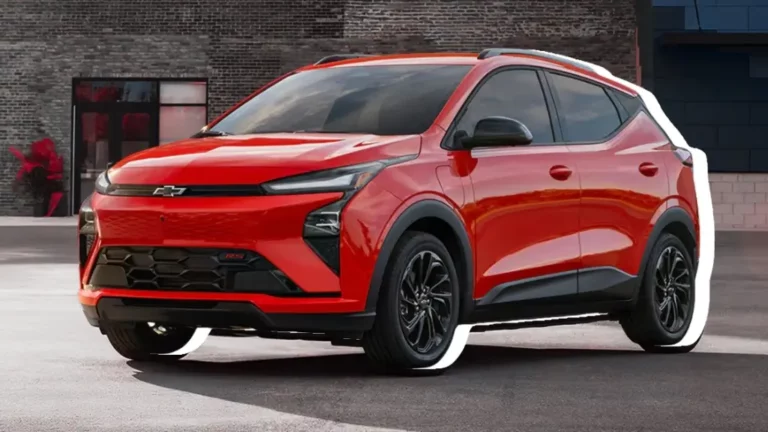
General Motors will record a $1.6 billion charge after scaling back EV production, reflecting weaker demand and reduced federal support for EVs.
GM, charge

On the Daah:

  • GM will record a $1.6 billion charge tied to EV production adjustments, including $1.2 billion in non-cash impairments.
  • The company cited declining EV demand and recent U.S. policy changes, including the end of EV tax credits and weaker emissions rules.
  • GM’s move highlights the broader challenges U.S. manufacturers face with policy uncertainty and uneven consumer adoption.

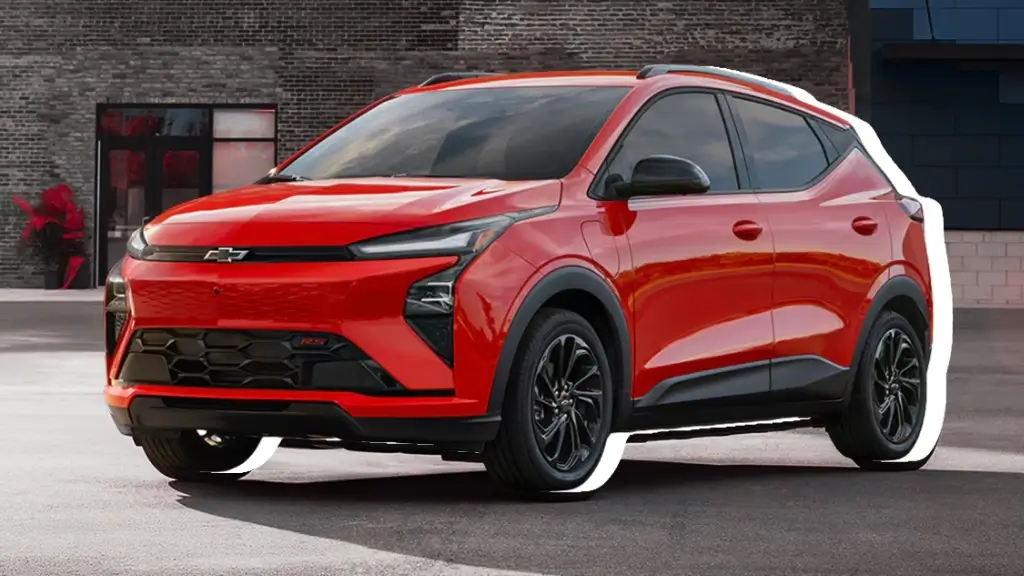
General Motors (GM) will take a $1.6 billion charge tied to changes in its electric vehicle (EV) production strategy, as slowing EV demand and shifting U.S. policies pressure automakers to reassess their electrification plans.

In a regulatory filing Tuesday, GM said the charge includes $1.2 billion in non-cash impairments linked to reduced EV capacity, with the remainder covering contract cancellation fees and other settlements. The move highlights how uneven consumer adoption and evolving government incentives are weighing on the industry’s transition to EVs.

Sign up for CBT News’ daily newsletter and get the latest industry stories delivered straight to your inbox.

“Following recent U.S. government policy changes, including the termination of certain consumer tax incentives for EV purchases and the reduction in the stringency of emissions regulations, we expect the adoption rate of EVs to slow,” GM said in the filing.

Automakers have been recalibrating their EV investments as the Trump administration dismantles policies intended to boost EV adoption. The elimination of federal EV tax credits and the rollback of fuel economy and emissions standards have encouraged companies to focus more on profitable gasoline-powered vehicles and scale back EV output.

The automaker’s decision underscores the challenges U.S. manufacturers face as they navigate policy uncertainty and fluctuating consumer interest in EVs. While GM remains committed to electrification, it signaled that the pace of transition may be slower as market conditions and regulatory frameworks evolve.


Read More
More from Articles
Volkswagen to halt U.S. production of ID.4 as EV demand softens

Volkswagen to halt U.S. production of ID.4 as EV demand softens

- April 10, 2026
On the Dash: Volkswagen will stop producing the ID.4 at its Chattanooga, Tennessee, plant in April 2026, marking a major shift in its U.S. EV strategy. The move reflects broader...
Kia targets U.S. pickup market with hybrid truck launch by 2030

Kia targets U.S. pickup market with hybrid truck launch by 2030

- April 10, 2026
On the Dash: Kia will launch its first U.S.-focused pickup by 2030, marking its entry into one of the industry’s most competitive segments. The truck will feature hybrid and extended-range...
Cars.com cuts 11% of workforce, boosts share buyback plan amid cost realignment

Cars.com cuts 11% of workforce, boosts share buyback plan amid cost realignment

- April 10, 2026
On the Dash: Cars.com is reducing its workforce by 11% as part of a broader effort to streamline operations and control costs. The company increased its share repurchase authorization, signaling...
Cox Automotive report shows new-vehicle prices rise in March as incentives stabilize

Cox Automotive report shows new-vehicle prices rise in March as incentives stabilize

- April 10, 2026
On the Dash: New-vehicle prices increased in March, reflecting continued affordability pressure despite improving supply conditions. Incentives held relatively steady, suggesting automakers are maintaining disciplined pricing strategies rather than aggressively...
CBT News
Privacy Overview

This website uses cookies so that we can provide you with the best user experience possible. Cookie information is stored in your browser and performs functions such as recognising you when you return to our website and helping our team to understand which sections of the website you find most interesting and useful.