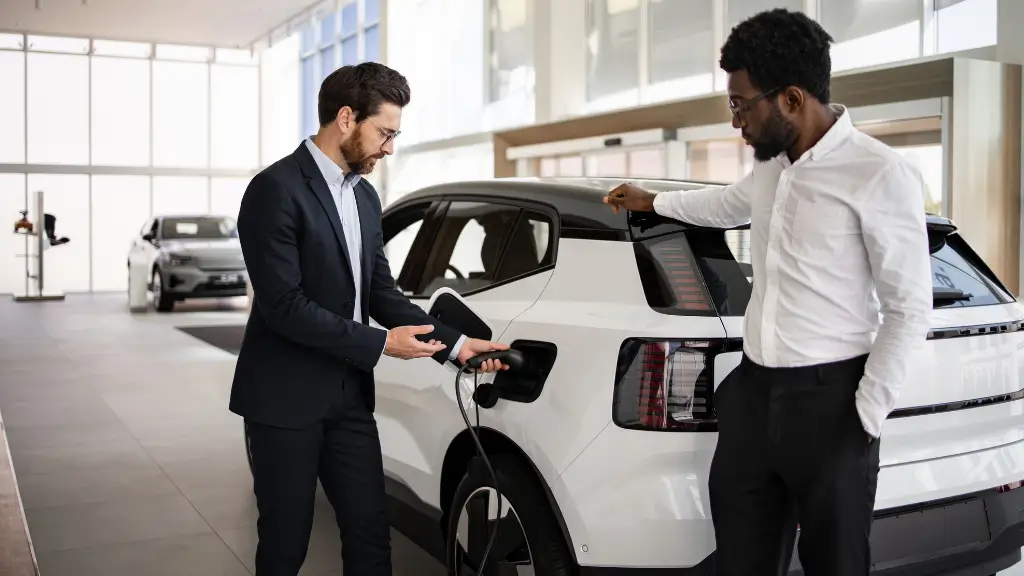
The federal tax credits for new and used electric vehicles expired on Sept. 30, 2025. On today’s episode of Inside Automotive, NADA board member and Mercedes-Benz New London President and Owner, Jeff Aiosa, shares his perspective on the expiration and how it will likely affect the industry moving forward.
The automotive industry continues to face significant challenges as it transitions to an electric future. The expiration of federal tax credits will further slow the transition. However, Aiosa remains optimistic about the long-term future and that EV adoptions will continue to grow.
"I often say we're on an irreversible path to electrification. I feel that the timeline is much longer than what was initially anticipated."
When electric vehicles are more aligned in terms of price and range with their ICE counterparts and there’s a better public charging infrastructure, Aiosa believes EVs will become more appealing to consumers and adoption will grow. Currently, there are approximately 135,000 to 140,000 electric vehicles unsold on dealer lots nationwide, leaving work to be done for both the new and pre-owned markets.
EV prices and sales after tax credit expiration
The sudden surge in EV purchases, as customers rushed to take advantage of the incentives before they expired, has pushed up the prices of used EVs, and they’re starting to creep closer to the prices of ICE vehicles. Despite this, they’re still a more affordable buy, as EVs typically depreciate by roughly 30% in the first year, significantly more than gas vehicles.
New vehicle sales are hovering around a SAAR of 16 million, with battery-electric vehicles (BEVs) representing roughly 8% of that total year-to-date. About half of that share is Tesla. With the federal incentives now gone, EV sales could be cut roughly in half.
Hybrids are easing the customer transition to electric
Plug-in hybrids (PHEVs) have effectively helped customers transition to electric. The $7,500 incentive often persuaded customers to lease a PHEV, and many returned to the store satisfied with their vehicle. Approximately half of those customers stick with EVs for their next lease or purchase.
The federal tax incentive made it easier to sell EVs. However, with it now being gone, salespeople need to start getting more hands-on experience with the vehicles. Sellers who drive an EV as their personal vehicle often have an easier time selling them. Dealership staff who invest time in learning more about EVs and feel confident discussing their benefits and features will find it easier to sell their inventory in the future.
Impact of tariffs on affordability and ownership trends
Early pent-up demand in response to President Donald Trump’s auto tariffs temporarily accelerates sales. However, the full impact on 2025 vehicles was muted with no significant price increases. For the 2026 model year, prices have risen about 3% on average and could increase up to 15%. This increase will impact manufacturers, dealers and consumers alike.
Affordability remains a significant concern, with new vehicle prices averaging around $50,000. The pressure is pushing the average ownership cycle to 13 years, impacting new-vehicle sales, used-vehicle inventory and fleet turnover.
What’s next for the EV market?
As EV technology improves to provide extended range and the nation’s public charging infrastructure expands, Aiosa believes that consumers will adopt EVs more readily. While it will take longer than initially expected, the future for EVs remains promising.