On the Dash:
- Federal rules designed for human-driven vehicles, such as windshield wipers and gear shift requirements, may be relaxed for automated vehicles.
- The U.S. Department of Transportation plans to propose three new rules in spring 2026 to update outdated safety standards for vehicles with automated driving systems.
- Auto industry groups support the initiative and could benefit companies like Tesla, which are developing driverless vehicles.
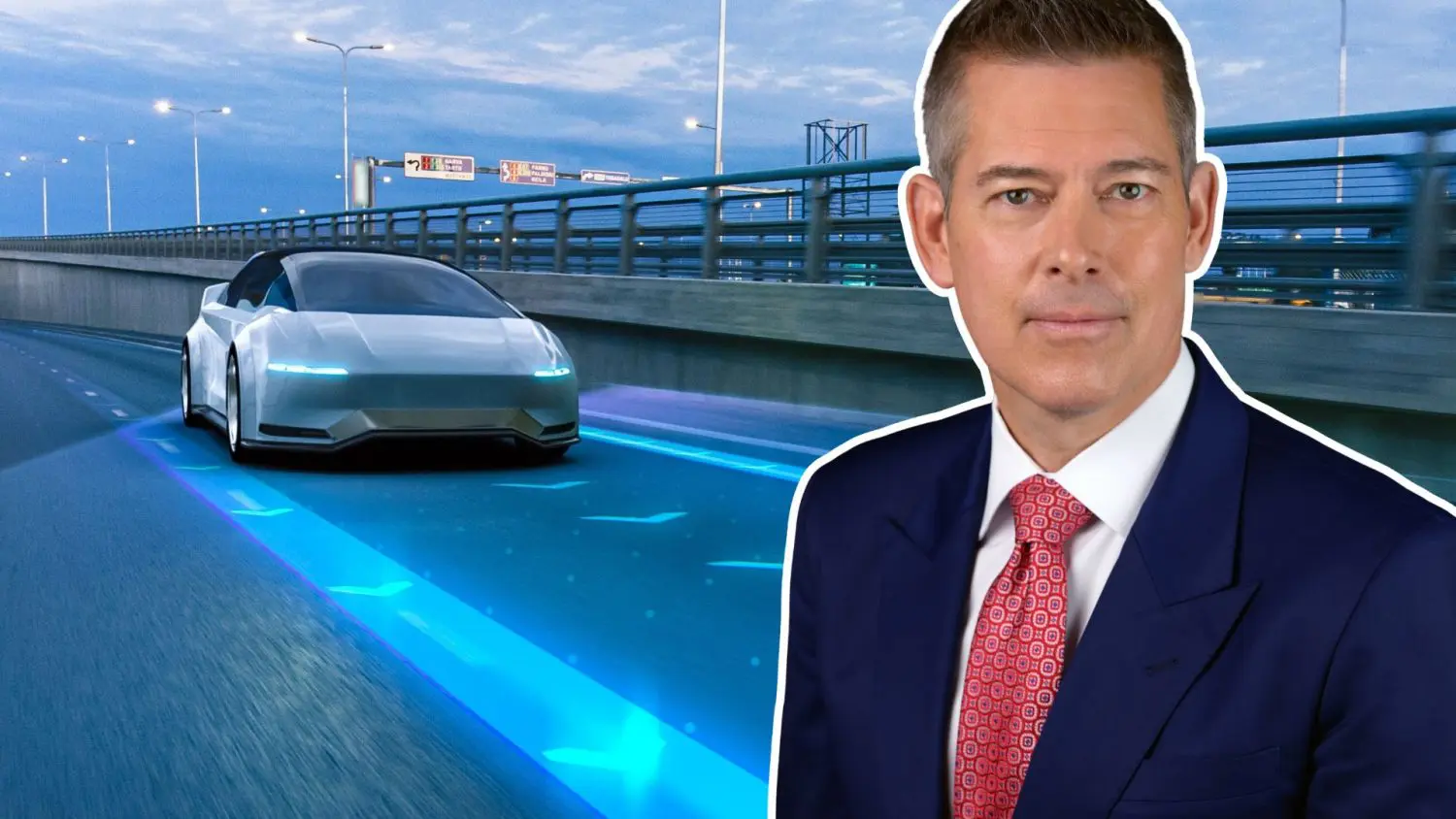
The Trump administration is loosening federal safety requirements for self-driving vehicles, removing rules designed initially for human-driven cars to accelerate the deployment of autonomous technology.
The U.S. Department of Transportation (DOT) said Thursday it plans to propose three new rules in spring 2026 aimed at modernizing Federal Motor Vehicle Safety Standards for vehicles with automated driving systems. Among the changes under consideration are relaxing mandates for manual controls, gear shift sticks, windshield wipers, defrost buttons, and certain lighting equipment on vehicles that do not require human drivers.
Transportation officials explained that the existing safety regulations, written decades ago, do not take into account the unique design and functionality of automated vehicles.
Automotive industry trade groups have welcomed this move towards deregulation, seeing it as a potential boost for companies like Tesla that are developing autonomous technology. Additionally, industry advocates argue that the changes could pave the way for the wider deployment of robotaxis and other fully automated vehicles.
Federal safety standards have historically assumed the presence of a human driver, creating barriers for companies seeking to introduce fully autonomous vehicles. Modernizing the rules plays a crucial role in integrating driverless technology into the U.S. automotive market.