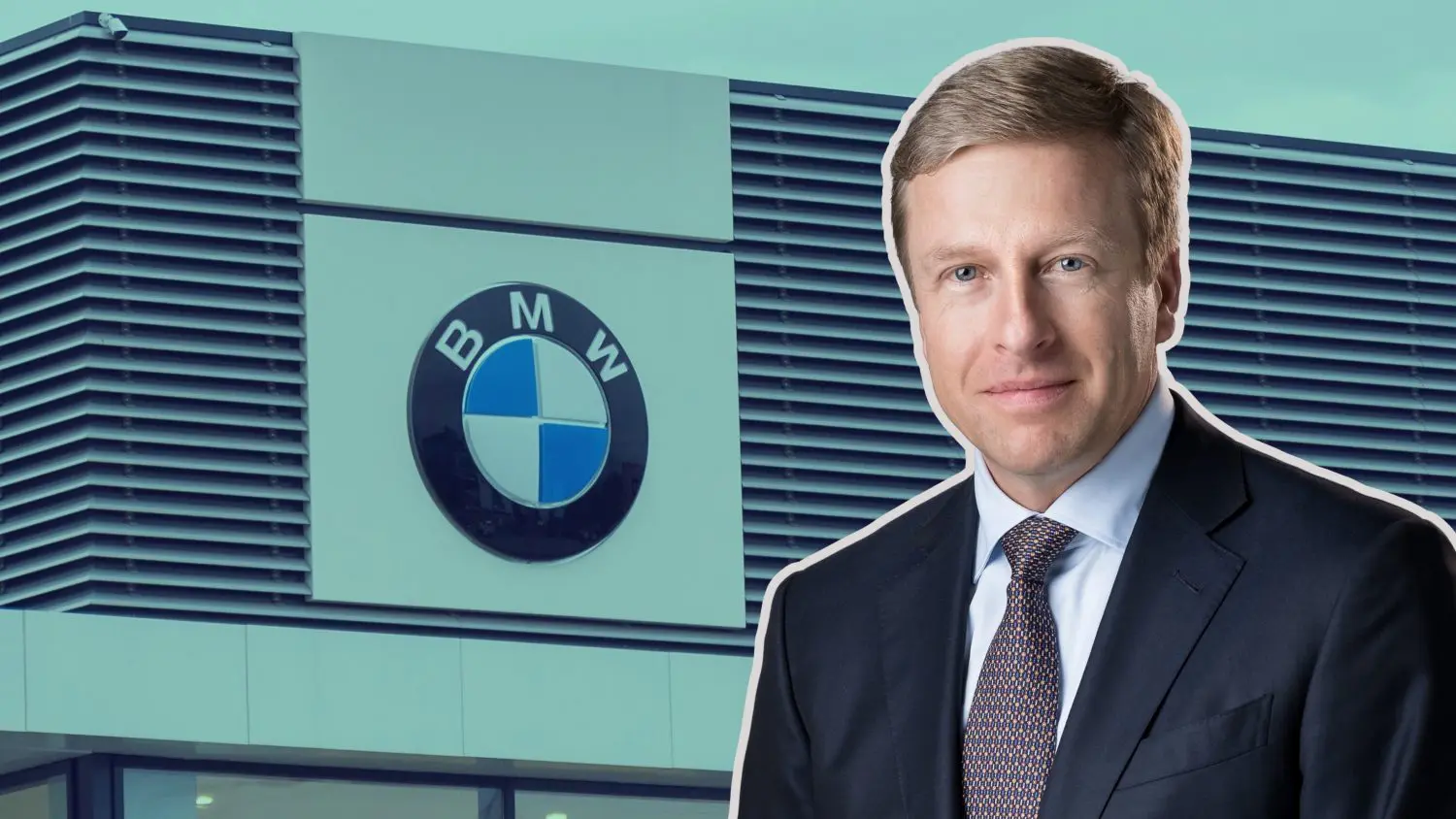
BMW reported a 32% decline in second-quarter pretax earnings to $3 billion (€2.6 billion) but reaffirmed its full-year 2025 forecast, citing advantages from its large U.S. manufacturing footprint amid new tariffs imposed by President Donald Trump. The company maintained its guidance for an EBIT margin of 5.0% to 7.0% in its automotive segment and expects 2025 earnings before tax to match the $12.6 billion (€11 billion) posted last year.
Unlike other German automakers, including Volkswagen, Porsche, and Mercedes-Benz, which have revised their outlooks downward due to rising trade barriers, BMW said its U.S. operations, led by its Spartanburg, South Carolina, plant, position it to better absorb the effects of a new 15% transatlantic tariff deal between the U.S. and EU.
Despite those efforts, BMW acknowledged that tariffs on steel, aluminum, and EV imports from China are adding pressure. Tariff-related costs are expected to reduce its automotive margin by about 1.25 percentage points in 2025, with an even greater impact felt in the first half of the year.
Here’s why it matters:
BMW’s resilience in the face of geopolitical uncertainty shows the BMW’s position highlights the strategic advantage of localized production in navigating global trade shifts. While other European automakers are scaling back expectations under tariff pressure, BMW is leveraging its U.S. manufacturing scale to limit margin erosion and stabilize export operations.
The company’s ability to maintain guidance suggests that ongoing tariff negotiations, while disruptive, are not currently altering its long-term planning. This resilience also reinforces the importance of diversified production hubs and strong local sales bases, particularly in high-volume markets like the U.S.
Ongoing risks remain from overlapping tariff regimes on EVs and industrial materials. BMW’s exposure to China, where sales dropped 15.5% in the first half, adds another layer of volatility as the automaker continues to push EV production through joint ventures in the region.
Key takeaways:
- BMW maintains full-year 2025 guidance
Despite a 32% drop in Q2 pretax earnings, BMW still expects full-year EBT to match 2024 levels of $12.6 billion (€11 billion) and affirmed a 5.0%–7.0% EBIT margin for its auto segment. - Tariffs are pressuring margins, but impact is limited
BMW expects a 1.25-point margin impact from tariffs in 2025, helped by its strong U.S. footprint. The impact was 1.5 points in H1. - U.S. production provides strategic advantage
With over 225,000 vehicles exported from its Spartanburg plant and 400,000 sold in the U.S. in 2024, BMW benefits more than rivals from local production. - CEO calls tariff fears ‘overblown’ but acknowledges drag
While Oliver Zipse downplayed tariff concerns, the company noted ongoing impacts from Trump’s steel and aluminum tariffs and Chinese EV duties. - BMW outperforms expectations amid China slowdown
Q2 results beat analyst forecasts despite a 15.5% drop in China sales. The auto EBIT margin landed at 5.4%, within guidance, though just below expectations.