TSLA342.2702.31%
GM86.7700.38%
F14.3650.475%
RIVN15.360-0.46%
CYD45.240-0.32%
HMC31.5800.38%
TM191.1102.4%
CVNA75.6201.92%
PAG219.8501.18%
LAD377.550-1.10999%
AN209.4101%
GPI263.9500.94001%
ABG210.6600.08%
SAH80.8301.59%
TSLA342.2702.31%
GM86.7700.38%
F14.3650.475%
RIVN15.360-0.46%
CYD45.240-0.32%
HMC31.5800.38%
TM191.1102.4%
CVNA75.6201.92%
PAG219.8501.18%
LAD377.550-1.10999%
AN209.4101%
GPI263.9500.94001%
ABG210.6600.08%
SAH80.8301.59%
TSLA342.2702.31%
GM86.7700.38%
F14.3650.475%
RIVN15.360-0.46%
CYD45.240-0.32%
HMC31.5800.38%
TM191.1102.4%
CVNA75.6201.92%
PAG219.8501.18%
LAD377.550-1.10999%
AN209.4101%
GPI263.9500.94001%
ABG210.6600.08%
SAH80.8301.59%

Toyota’s Collaborative Safety Research Center hits 100th project milestone

The automaker is adding 10 new projects as it deepens focus on driver behavior, crash avoidance, and injury reduction.
Toyota

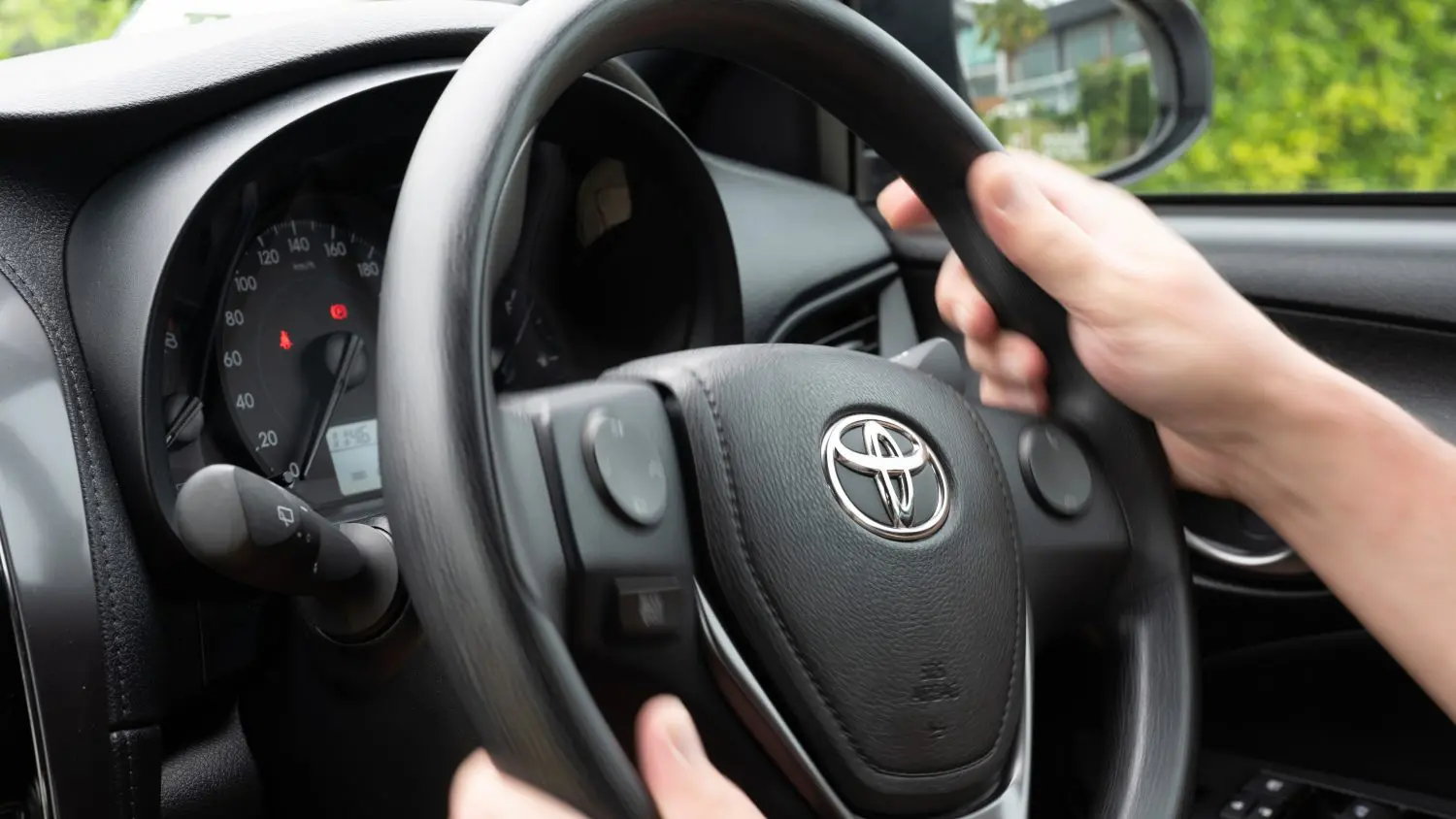
Toyota’s Collaborative Safety Research Center (CSRC) has completed its 100th research project, working with the Massachusetts Institute of Technology (MIT) AgeLab to study driver behavior during highway travel with and without assistance systems. The milestone reflects more than a decade of collaboration focused on improving road safety and understanding how drivers interact with technology behind the wheel.

The latest study analyzed real-world driving data to examine how frequently drivers engage in non-driving tasks, such as using mobile phones, talking to passengers, or operating infotainment systems, and how driver assistance features may influence those decisions. Researchers also reviewed communication patterns between drivers and pedestrians to explore how motion cues can help prevent potential collisions.

Sign up for CBT News’ daily newsletter and get the latest industry stories delivered straight to your inbox.

The 100th project is one of several in a broader initiative to use real-world data to shape vehicle design, user interfaces, and safety standards. Toyota and MIT AgeLab have also produced datasets that helped inform new ISO guidelines for how automated vehicles communicate with pedestrians.

In addition to reaching the 100-project mark, CSRC is launching 10 new research efforts, including studies on driver monitoring systems, automated vehicle behavior, and the effects of in-vehicle alerts. Four new research institutions, Oregon State University, Ohio State University’s Injury Biomechanics Research Center, the University of Waterloo, and Auburn University, have joined the growing list of CSRC collaborators.

The center’s current five-year research phase continues to target crash avoidance and injury mitigation, especially as automation and in-vehicle technologies evolve. Research topics include how L2 automation affects driver behavior, the impact of infotainment design on attention, and how physical differences like bone structure may influence injury outcomes in crashes.

Since its launch in 2011, CSRC has worked with more than 30 academic and research institutions and supported the training of hundreds of students and researchers in traffic safety. The center shares its findings publicly to support industry advancements in vehicle safety and human-machine interaction.


Read More
More from Articles
Charlie Obaugh acquires Campus Ford in Virginia

Charlie Obaugh acquires Campus Ford in Virginia

- August 14, 2026
Charlie Obaugh Auto Group has acquired Campus Ford in Waynesboro, Virginia, from Matt McMurray. The transaction was announced in August 2026, with Performance Brokerage Services serving as the exclusive buy-side...
Revised USMCA proposals could cost billions annually, Detroit automakers warn

Revised USMCA proposals could cost billions annually, Detroit automakers warn

- August 14, 2026
On the Dash: USMCA revisions raising U.S. content thresholds to 50% could add at least $2 billion in annual costs per company. GM projects $2.5 billion to $3.5 billion in...
New-vehicle inventory tightens to 75 days' supply as July sales climb 8.5%

New-vehicle inventory tightens to 75 days’ supply as July sales climb 8.5%

- August 14, 2026
On the Dash: New-vehicle inventory drops to 75 days' supply as July sales climb 8.5%. Toyota, Lexus and Honda keep the tightest inventories while Stellantis works through excess stock. ...
Cox Automotive report finds dealers use AI widely, results still lag expectations

Cox Automotive report finds dealers use AI widely, results still lag expectations

- August 14, 2026
On the Dash: Focus AI investments on measurable dealership needs, not adoption for its own sake. Prepare teams for shoppers who are using AI before they reach the showroom. Build...
CBT News
Privacy Overview

This website uses cookies so that we can provide you with the best user experience possible. Cookie information is stored in your browser and performs functions such as recognising you when you return to our website and helping our team to understand which sections of the website you find most interesting and useful.