As the automotive industry braces for the impact of a new 25% tariff on imported vehicles, Mike Maroone, CEO of Mike Maroone Auto and former president of AutoNation, offers a grounded and strategic take on how dealers can navigate the looming uncertainty. In today’s Inside Automotive episode, Maroone emphasizes preparedness, transparency, and adaptability in the face of shifting government policies and consumer anxiety.
Maroone’s initial reaction to the proposed tariff increase centered on concern for the broader ecosystem—consumers, manufacturers, and dealers alike. The looming 25% tariff on imported vehicles is expected to exacerbate affordability challenges and increase operational stress across the market. This uncertainty is further heightened by the possibility of additional tariffs on imported vehicle parts, which could take effect shortly after May 3.
To proactively manage these pressures, Maroone has implemented a three-part strategy. First, his dealership group is adjusting new vehicle pricing based on the anticipated cost of replacing inventory under the new tariff regime. Second, they are doubling down on used vehicle acquisition—leveraging trade-ins, private sellers, auctions, and even the service lane—to offset potential shortfalls in new car sales. Finally, they are expanding service capacity in anticipation of longer vehicle ownership cycles. With customers now keeping their cars for an average of 12 to 13 years, Maroone expects increased demand for maintenance and repairs, especially if new vehicle prices rise sharply.
In recent weeks, his dealerships have experienced a noticeable surge in vehicle sales as consumers rush to make purchases ahead of the tariff implementation. While this spike has temporarily lifted volumes, he anticipates the demand will taper off quickly once the new pricing structure sets in.
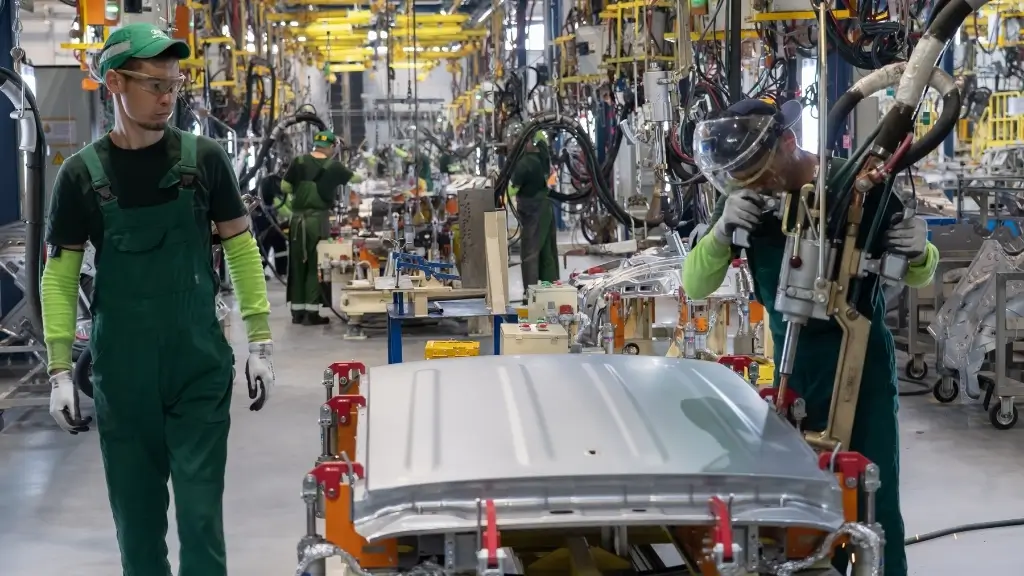
Maroone also highlighted the complexity of the tariff policy. Its impact will vary depending on where a vehicle is assembled and where its parts originate—making it difficult for consumers and dealers to predict which models will be affected. Should the follow-up tariff on imported parts go into effect, the consequences would be even more far-reaching, affecting nearly all automakers that rely on global supply chains.
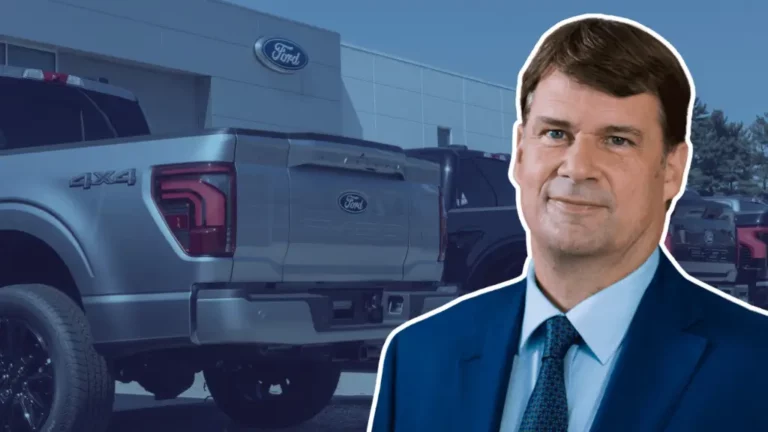
Although his stores carry a favorable mix of domestic brands such as Ford and Chevrolet, Maroone noted that many foreign manufacturers, including Honda and Toyota, have significant production operations in the United States. In fact, some foreign automakers build as much as 60% to 70% of their vehicles on American soil. He expects these companies to lean heavily into marketing efforts that emphasize their domestic contributions in order to mitigate consumer concerns.
Rather than rely on potential changes in White House policy, Maroone is focused on operational control and scenario planning. He believes that building a business strategy around political reversals is too risky in the current climate.
While the dealership model has historically been resilient and capable of adjusting fixed and variable costs, Maroone stressed that a sharp decline in new vehicle sales would ultimately affect other areas of the business. The service department, for instance, relies on consistent throughput from both new and used car customers.
Electric vehicles, though not the primary focus of the conversation, were briefly mentioned as an additional consideration. Tariffs and evolving trade dynamics could uniquely disrupt EV supply chains, requiring separate strategic planning.
“To build a business plan around hope that President Trump decides to pivot on this big issue, I think is quite naive.” – Mike Maroone