
TSLA364.270-1.93%
GM82.200-4.42%
F13.210-0.4%
RIVN14.990-0.41%
CYD35.4000.88%
HMC32.200-0.33%
TM191.530-2.38%
CVNA65.120-0.72%
PAG212.610-2.14%
LAD316.270-5.41%
AN168.290-6.59%
GPI246.420-8.53%
ABG183.060-4.85%
SAH63.660-2.29%
TSLA364.270-1.93%
GM82.200-4.42%
F13.210-0.4%
RIVN14.990-0.41%
CYD35.4000.88%
HMC32.200-0.33%
TM191.530-2.38%
CVNA65.120-0.72%
PAG212.610-2.14%
LAD316.270-5.41%
AN168.290-6.59%
GPI246.420-8.53%
ABG183.060-4.85%
SAH63.660-2.29%
TSLA364.270-1.93%
GM82.200-4.42%
F13.210-0.4%
RIVN14.990-0.41%
CYD35.4000.88%
HMC32.200-0.33%
TM191.530-2.38%
CVNA65.120-0.72%
PAG212.610-2.14%
LAD316.270-5.41%
AN168.290-6.59%
GPI246.420-8.53%
ABG183.060-4.85%
SAH63.660-2.29%

Ford races against time to transport engines before April 2

Ford is accelerating the shipment of engines vital for its popular F-Series pickups to minimize the impact of tariffs.
Ford races to move engines before Trump’s 25% tariffs take effect, risking price hikes, job losses, and supply chain disruption.

Days before President Donald Trump’s 25% tariffs on imports from Canada and Mexico take effect, Ford has scrambled to move as many assembled engines from its Essex Engine and Windsor Engine plants in Canada into the United States as possible. To do so, the automaker has leased dozens of semi-truck trailers and warehouses in Michigan and Ohio. Although the trucks have only been able to transport a few days’ worth of engines, the effort is critical as these engines power Ford’s best-selling F-Series pickup trucks.

John D’Agnolo, president of Unifor Local 200 and chair of the Auto Council for Unifor, says his union is working with Ford to expedite shipments across the border in an effort to protect Canadian and U.S. jobs in the auto sector. According to D’Agnolo, if Trump reinstates the 25% tariffs on April 2, a single truckload of Ford engines could cost the automaker roughly $75,000 in tariffs. With tens of thousands of union jobs on both sides of the border at risk, moving as much inventory as possible before the deadline is critical.

Sign up for CBT News’ daily newsletter and get the latest industry stories delivered straight to your inbox.

On March 5, President Trump paused auto tariffs on vehicles and parts covered under the USMCA until April 2. His trade policy has left the auto industry divided. On one hand, tariffs serve as a negotiating tool, encouraging automakers to reinvest in U.S. manufacturing. 

On the other hand, the automotive industry relies on deeply integrated cross-border supply chains, and tariffs could significantly drive up costs. If manufacturers pass these costs on to consumers, it could push shoppers toward lower-cost alternatives or out of the market. Affordability remains a critical pain point for both consumers and the dealer community. If demand drops, production slows—and layoffs are likely to follow.

It’s a high-stakes gamble with the potential to bring significant economic benefits to the U.S. or trigger widespread disruption. The auto industry operates on a “just in time” manufacturing model, making sudden shifts difficult—if not impossible. It can take anywhere from three to six years to bring a new vehicle from concept to production, and manufacturing plants cannot instantly ramp up engine production without massive supply allocations.

According to S&P Global, the automotive industry faces a 50% risk of extended disruption due to the ongoing global tariff war. The firm noted that only Ford, GM, and Stellantis have the excess capacity to expand domestic production. However, even if they chose to do so, the transition would take years—far too long to avoid the immediate impact of tariffs.


Read More
More from Articles
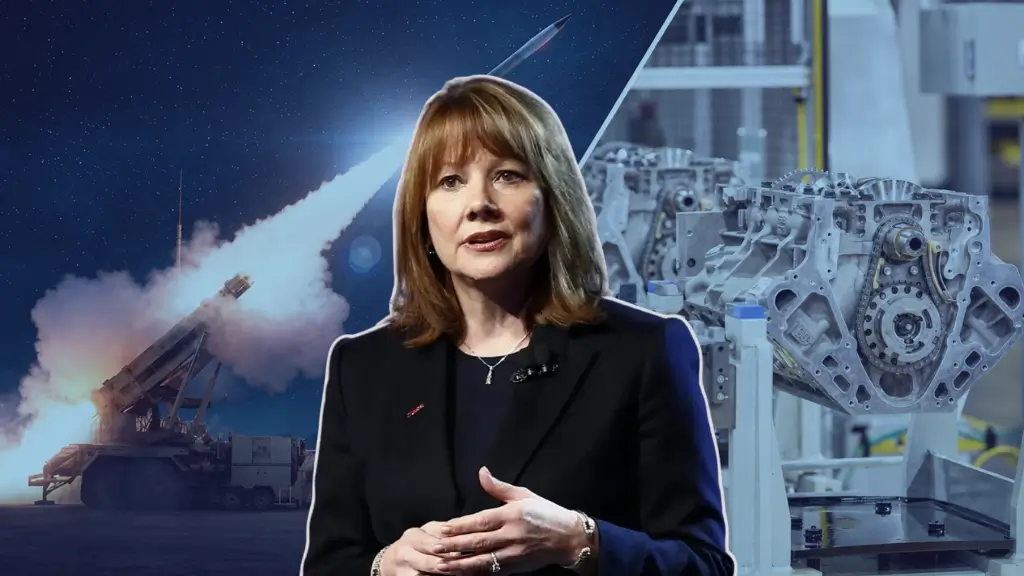
GM looks beyond EVs with focus on V-8-powered pickups and Patriot missiles

GM looks beyond EVs with new V-8-powered pickups and Patriot missiles

- September 18, 2026
On the Dash: GM Defense delivered Patriot missile parts to Lockheed Martin 22 days after signing its contract. The redesigned 2027 Silverado and Sierra add new 5.7-liter and 6.6-liter V-8...
unifor

Stellantis faces potential strike as Unifor talks remain at impasse

- September 18, 2026
On the Dash: Stellantis faces a new labor deadline as its Canadian contract with Unifor expires Sept. 20. The future of the Brampton plant remains the central issue in negotiations...
Acura pauses MDX Type S production amid emissions uncertainty

Acura pauses MDX Type S production amid emissions uncertainty

- September 18, 2026
On the Dash: Acura pauses the MDX Type S after 2026 with no timeline for its return. The trim is under 10% of MDX sales but delivers outsized margins. Emissions...
Xpeng

Xpeng looks to expand technology partnerships beyond Volkswagen

- September 18, 2026
On the Dash: Xpeng is looking to turn its EV technology into a broader business by licensing systems to other automakers and suppliers. Its Volkswagen partnership shows the potential for...
CBT News
Privacy Overview

This website uses cookies so that we can provide you with the best user experience possible. Cookie information is stored in your browser and performs functions such as recognising you when you return to our website and helping our team to understand which sections of the website you find most interesting and useful.