
Despite weaker profits and growing costs, optimism is growing among U.S. auto dealers. The Q1 2025 Cox Automotive Dealer Sentiment Index (CADSI) reveals a slight increase, rising from 42 in Q4 2024 to 44. While the uptick indicates cautious optimism, it still remains below the 50-point benchmarks, signaling that more dealers view the market as weak.
Franchised dealers are generally more optimistic, with their average score increasing to 54, a four-point increase from Q4 2024. This marks a significant improvement from 49 a year ago. Conversely, independent dealers remain more pessimistic, scoring 42. However, this is still a noteworthy improvement from the previous quarter and year-over-year.
Cox Automotive Chief Economist Jonathan Smoke notes that the Q1 results reveal notable improvement from last year. While some risks are on the horizon, such as shifts in consumer behavior and ongoing global uncertainties, the overall sentiment amongst dealers is improving.
The overall market outlook index rose for a second consecutive quarter to 58, the highest level since 2022. Dealers anticipate a stronger spring market driven by healthy inventory levels and higher consumer demand. However, it’s unclear how the administration’s stance on tariffs will impact the momentum.
Profitability continues to be a concern, with dealers reporting weaker profits. The profit index score dropped from 35 to 34, just one point higher than the all-time low of 33 in Q1 of 2024 (excluding Q2 2020 due to the pandemic). Franchised dealers’ profit index declined to 41 from 45. In contrast, independent dealers’ profit index remained unchanged, remaining close to the recorded all-time low.
When it comes to sales, dealers are seeing a mixed bag. The new-vehicle sales index remained steady at 54. Franchised dealers reported a solid sales performance, while independent dealers faced more difficulties, as indicated by a lower sales index. The new-vehicle inventory index dropped sharply from 73 last quarter to 63.
On the used-vehicle side, the sales index has improved for the fifth consecutive quarter, rising to 45. While this marks a positive trend, the market is still challenging, particularly for independent dealers, who rate the used-car market as weak with an index of 41. Franchised dealers, with an index of 58, generally perceive the used-car market to be more favorable. The used-vehicle inventory index also reflects this growing concern, with a score of 47 indicating that more dealers perceive inventory as decreasing rather than increasing.
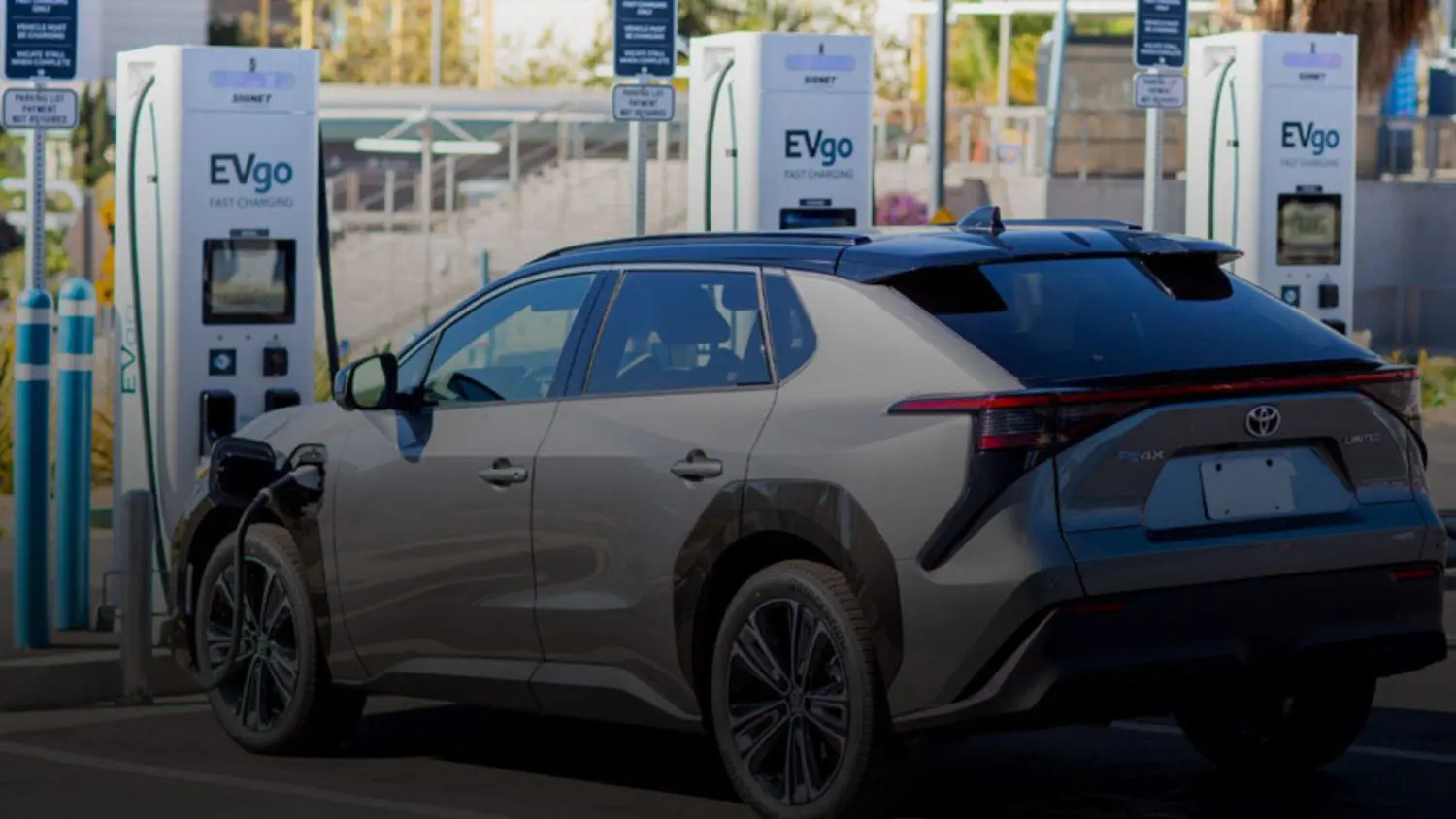
A significant area of concern for dealers continues to be the electric vehicle (EV) market. Although the EV sales index increased year-over-year to 47, dealers report weaker sales than last year. Franchised dealers, with a score of 51, show some optimism, but it’s still below expectations for more widespread adoption. On the other hand, independent dealers have a more pessimistic view, with an EV sales index score of 45, which still indicates that many perceive the market to be struggling. Most dealers anticipate the EV market to decline in the coming months, as reflected in the EV market outlook score of 40.
Views of the U.S. economy remain weak despite a slight improvement in Q1 2025. The index score of 42 reflects that most dealers continue to view the economy as weak. This score is much lower than pre-pandemic levels, where dealer sentiment on the economy was considerably more optimistic, reaching a score of 57 in Q1 2020.
Interest rates remain a key concern, with 52% of dealers citing them as a significant barrier to business. Although this is a slight decrease from last year, it remains the top concern for dealers as they contend with higher costs for both consumers and businesses.
Despite these concerns, dealers still have an underlying sense of hope. While challenges persist, the improved outlook in specific areas, such as inventory levels, sales expectations, and the promise of the spring market, has contributed to a generally more positive view of the immediate future.