TSLA360.590-20.67001%
GM72.540-2.5%
F11.590-0.09%
RIVN15.4000.46%
CYD39.410-0.08%
HMC24.150-0.16%
TM207.010-2.66%
CVNA313.5481.45799%
PAG149.3400.18%
LAD251.8201%
AN197.680-0.29%
GPI329.450-1.34%
ABG194.7600.73%
SAH64.870-0.38%
TSLA360.590-20.67001%
GM72.540-2.5%
F11.590-0.09%
RIVN15.4000.46%
CYD39.410-0.08%
HMC24.150-0.16%
TM207.010-2.66%
CVNA313.5481.45799%
PAG149.3400.18%
LAD251.8201%
AN197.680-0.29%
GPI329.450-1.34%
ABG194.7600.73%
SAH64.870-0.38%
TSLA360.590-20.67001%
GM72.540-2.5%
F11.590-0.09%
RIVN15.4000.46%
CYD39.410-0.08%
HMC24.150-0.16%
TM207.010-2.66%
CVNA313.5481.45799%
PAG149.3400.18%
LAD251.8201%
AN197.680-0.29%
GPI329.450-1.34%
ABG194.7600.73%
SAH64.870-0.38%

U.S. Supreme Court to hear dispute over CA’s tailpipe emissions

Fuel producers slam California, dubbing it a "junior-varsity EPA" due to its excessive regulatory influence.
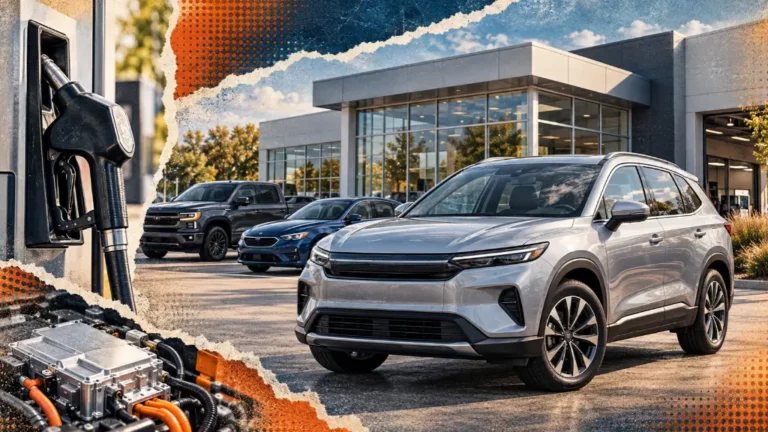
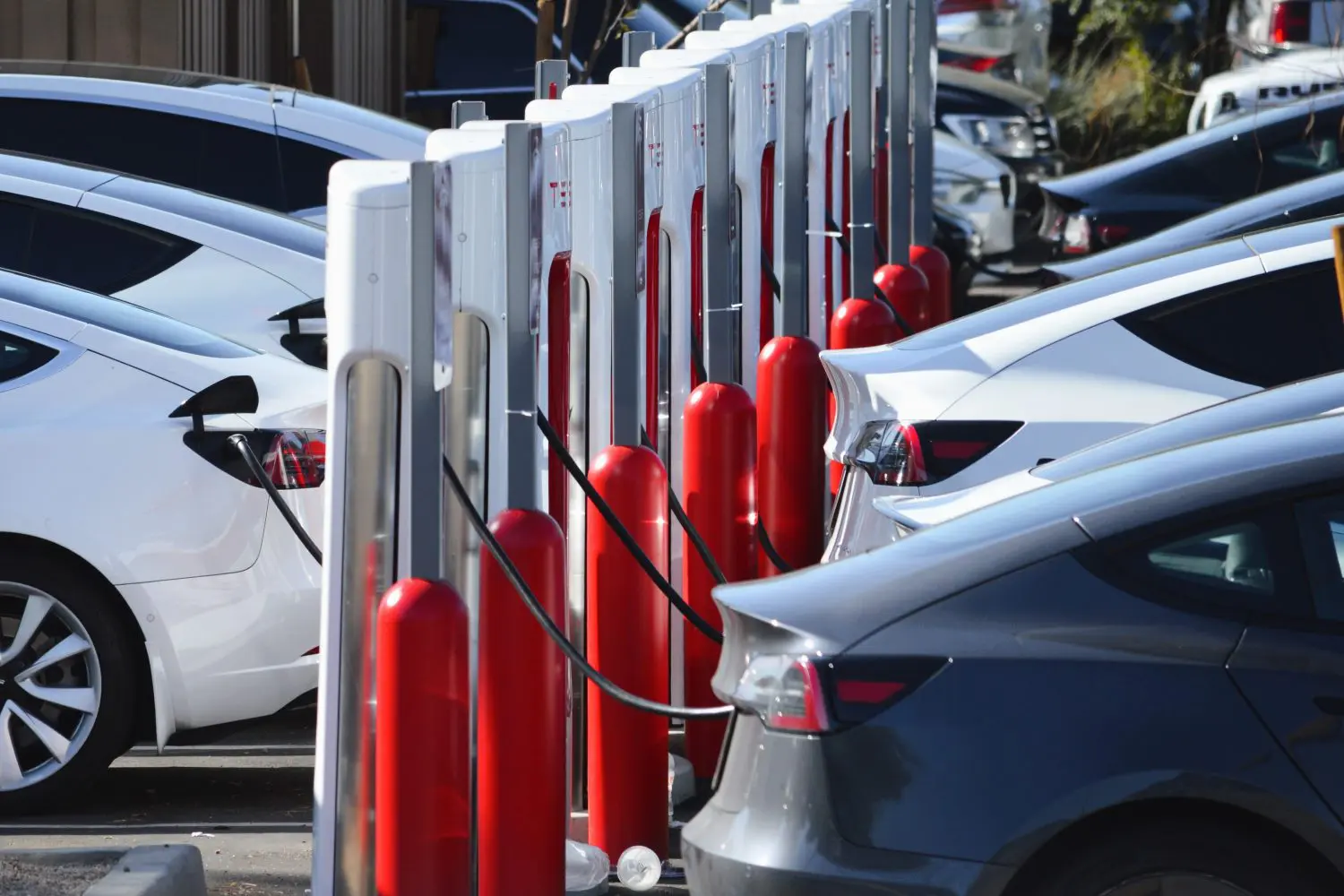
The U.S. Supreme Court will hear a case from fuel producers about California's authority concerning emissions and EV sales mandates.

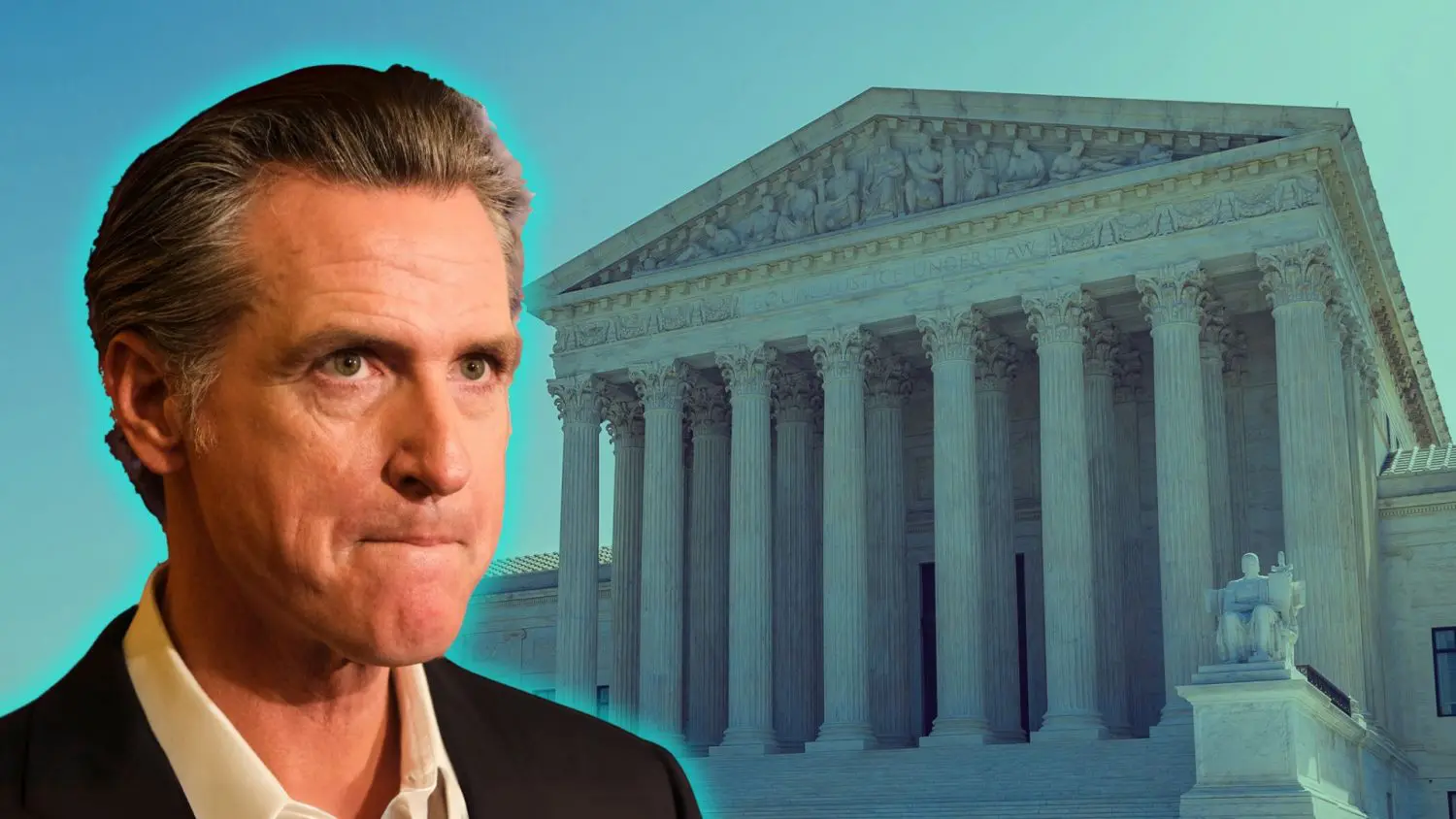
California Governor Gavin Newsom

On December 13, the U.S. Supreme Court agreed to hear a dispute regarding California’s authority to set its emissions and electric vehicle (EV) standards. The challenge comes from a group of fuel producers, including a subsidiary of Valero Energy, who argue that California’s regulatory power over vehicle emissions exceeds its authority.

At the heart of the dispute is an exception granted to California in 2022 by the U.S. Environmental Protection Agency (EPA), allowing the state to set vehicle emission standards that are stricter than the federal regulations under the Clean Air Act.

Since 1967, California has progressively tightened vehicle emissions performance standards and EV sales mandates, receiving over 75 waivers. In March 2022, the EPA reinstated California’s waiver, allowing the state to enforce its tailpipe emissions limits and zero-emission vehicle mandates through 2025, reversing a prior decision under the Trump administration.

Fuel producers, including Valero, argue that the reinstatement of the waiver is an overreach of the EPA’s authority under the Clean Air Act. They contend that the waiver inflicts substantial financial harm by reducing demand for liquid fuels, which is critical to their bottom lines. In April, the U.S. Court of Appeals for the District of Columbia Circuit dismissed the case, stating that the fuel groups lacked the legal standing to proceed.

However, the fuel producers have now appealed to the U.S. Supreme Court, publicly criticizing California’s role and framing the state’s actions as a “junior-varsity EPA” with an overblown regulatory influence. The fuel producers have invoked the “major questions” doctrine, which allows courts to invalidate executive agency actions unless Congress has explicitly authorized them.

The U.S. Supreme Court has a 6-3 conservative majority and has expressed skepticism toward expanding regulatory authority. In a previous ruling, the court restricted the EPA’s powers on various issues, including ozone emissions, wetlands protection, and carbon emissions from power plants.

Read More
More from Articles
Ed Morse Automotive Group acquires Porsche Des Moines in Iowa

Ed Morse Automotive Group acquires Porsche Des Moines in Iowa

- April 3, 2026
Ed Morse Automotive Group acquired Porsche Des Moines in Iowa from Jason Pittack of the Woodhouse Auto Family in a transaction that closed April 1, 2026. The dealership will continue...
GM to invest more than $150 million in Saginaw Metal Casting Plant

GM to invest more than $150 million in Saginaw Metal Casting Plant

- April 3, 2026
General Motors announced plans to invest more than $150 million in its Saginaw Metal Casting Operations to support the production of the sixth generation of GM’s V-8 engine blocks and...
White House revises metals tariffs, shifts calculation method

White House revises metals tariffs, shifts calculation method

- April 3, 2026
On the Dash: The revised tariff structure simplifies how metals duties are calculated by applying them to consumer purchase prices and eliminating complex component-level assessments. The changes are expected to...
Stellantis explores EV production in Canada with China’s Leapmotor

Stellantis explores EV production in Canada with China’s Leapmotor

- April 3, 2026
On the Dash: Stellantis’ early-stage talks with Leapmotor highlight how global partnerships are accelerating as automakers adapt to shifting tariffs and EV demand. Uncertainty around U.S. trade policy and potential...
CBT News
Privacy Overview

This website uses cookies so that we can provide you with the best user experience possible. Cookie information is stored in your browser and performs functions such as recognising you when you return to our website and helping our team to understand which sections of the website you find most interesting and useful.