
TSLA342.2702.31%
GM86.7700.38%
F14.3650.475%
RIVN15.360-0.46%
CYD45.240-0.32%
HMC31.5800.38%
TM191.1102.4%
CVNA75.6201.92%
PAG219.8501.18%
LAD377.550-1.10999%
AN209.4101%
GPI263.9500.94001%
ABG210.6600.08%
SAH80.8301.59%
TSLA342.2702.31%
GM86.7700.38%
F14.3650.475%
RIVN15.360-0.46%
CYD45.240-0.32%
HMC31.5800.38%
TM191.1102.4%
CVNA75.6201.92%
PAG219.8501.18%
LAD377.550-1.10999%
AN209.4101%
GPI263.9500.94001%
ABG210.6600.08%
SAH80.8301.59%
TSLA342.2702.31%
GM86.7700.38%
F14.3650.475%
RIVN15.360-0.46%
CYD45.240-0.32%
HMC31.5800.38%
TM191.1102.4%
CVNA75.6201.92%
PAG219.8501.18%
LAD377.550-1.10999%
AN209.4101%
GPI263.9500.94001%
ABG210.6600.08%
SAH80.8301.59%

CATL, Stellantis set to build $4.33 billion EV battery plant in Spain 

The investment in Spain highlights the growing trend among global automakers to localize battery production.
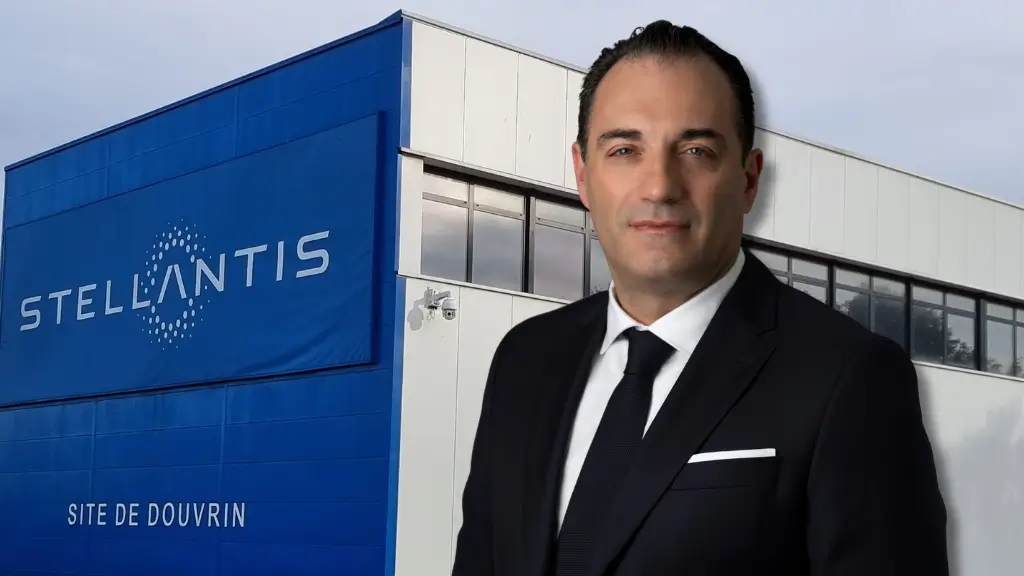
Stellantis and CATL have announced an investment of up to $4.33 billion to establish a low-cost EV battery manufacturing facility in Spain.

Stellantis and the Chinese battery giant Contemporary Amperex Technology Co., Ltd. (CATL) have announced an investment of up to $4.33 billion to establish a low-cost electric vehicle (EV) battery manufacturing facility in Zaragoza, northeastern Spain. This partnership aims to make electric cars more affordable by producing lithium iron phosphate (LFP) batteries, which serve as a cost-effective alternative to traditional nickel, cobalt, and manganese-based batteries.

The new plant will focus on LFP battery production, which is gaining popularity in the automotive industry due to lower production costs and enhanced safety features. However, LFP batteries have a lower energy density, resulting in reduced driving range.

In addition, The facility aims to achieve a production capacity of up to 50 gigawatt-hours, with the first battery cells and modules scheduled to begin production by the end of 2026. This initiative supports the automakers’ strategy to deliver competitive EVs while maintaining a sustainable and cost-effective supply chain for battery technology.

Strategic Shift to LFP Batteries

While LFP batteries have been widely used in China, they are gaining traction in Europe and North America as automakers seek to reduce dependence on Chinese battery supplies. The investment in Spain highlights the growing trend among global automakers to localize battery production and decrease reliance on expensive metals like cobalt and nickel.

Chairman John Elkann emphasized that Stellantis is dedicated to a decarbonized future and actively uses all available advanced battery technologies to deliver competitive EV products.

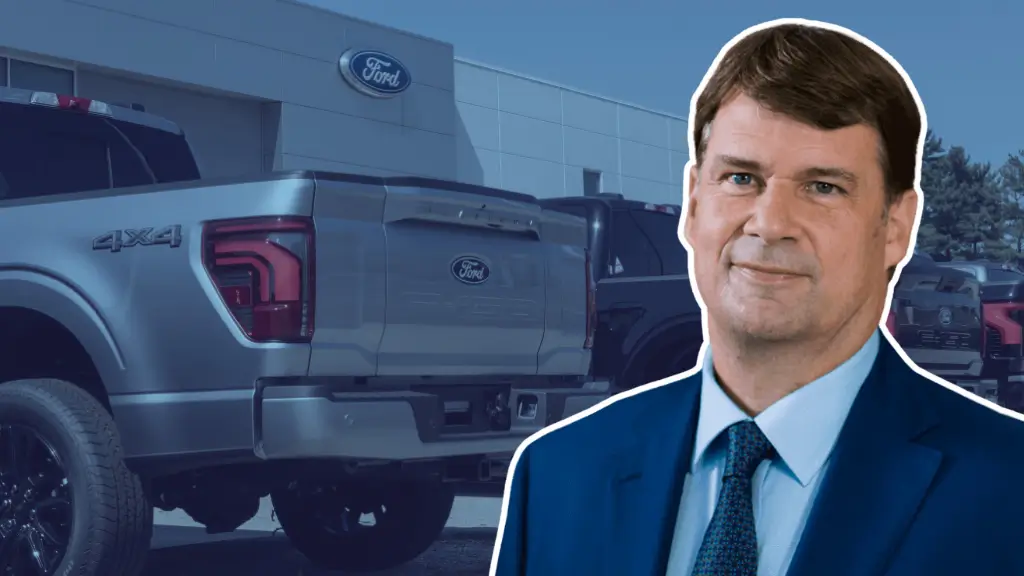
This initiative is part of a broader trend among automakers and battery manufacturers aiming to strengthen domestic supply chains and cut costs. For instance, in February 2023, Ford announced a $3.5 billion investment to build an LFP plant in Michigan with support from CATL. Ford plans to produce 2 million EVs annually by the end of 2026, underscoring the growing integration of LFP batteries into global EV production.

Through this joint venture, Stellantis and CATL aim to lower EV production costs and enhance the European supply chain for batteries, a crucial step for accelerating electric vehicle adoption in Europe, where automakers seek to balance performance, affordability, and environmental impact.


Read More
More from Articles
Charlie Obaugh acquires Campus Ford in Virginia

Charlie Obaugh acquires Campus Ford in Virginia

- August 14, 2026
Charlie Obaugh Auto Group has acquired Campus Ford in Waynesboro, Virginia, from Matt McMurray. The transaction was announced in August 2026, with Performance Brokerage Services serving as the exclusive buy-side...
Revised USMCA proposals could cost billions annually, Detroit automakers warn

Revised USMCA proposals could cost billions annually, Detroit automakers warn

- August 14, 2026
On the Dash: USMCA revisions raising U.S. content thresholds to 50% could add at least $2 billion in annual costs per company. GM projects $2.5 billion to $3.5 billion in...
New-vehicle inventory tightens to 75 days' supply as July sales climb 8.5%

New-vehicle inventory tightens to 75 days’ supply as July sales climb 8.5%

- August 14, 2026
On the Dash: New-vehicle inventory drops to 75 days' supply as July sales climb 8.5%. Toyota, Lexus and Honda keep the tightest inventories while Stellantis works through excess stock. ...
Cox Automotive report finds dealers use AI widely, results still lag expectations

Cox Automotive report finds dealers use AI widely, results still lag expectations

- August 14, 2026
On the Dash: Focus AI investments on measurable dealership needs, not adoption for its own sake. Prepare teams for shoppers who are using AI before they reach the showroom. Build...
CBT News
Privacy Overview

This website uses cookies so that we can provide you with the best user experience possible. Cookie information is stored in your browser and performs functions such as recognising you when you return to our website and helping our team to understand which sections of the website you find most interesting and useful.