The automotive industry is experiencing a surge in consumer sentiment and a significant increase in inventory levels as the year progresses.
According to Morning Consult, consumer sentiment has steadily improved for five consecutive months and is now at its highest level in three and a half years. As a result, October sales in the U.S. automotive market saw a 13% year-over-year increase. However, new vehicle inventory continues to rise, presenting opportunities and challenges for automakers as they balance growth and supply.
As of November 4, 2024, U.S. new-vehicle inventory reached 3.04 million units, marking the first time the total supply has exceeded 3 million since the pandemic. This represents a 29% year-over-year increase, with the days’ supply climbing to 85 days—a 14% increase compared to the same time last year. Automakers, however, are working to maintain discipline by reducing older models from their inventory and ensuring that current-year models remain in supply, even as holiday discounts and seasonal incentives begin to take hold.
Among major automakers, Toyota and Lexus continue outperforming in vehicle turnover, moving their products faster than most other brands. Meanwhile, Stellantis has managed to trim its inventory for core brands like Ram and Jeep, significantly reducing days’ supply. In fact, Stellantis’ efforts have resulted in lower inventory levels for these brands, aided by increased incentives. High-incentive programs have played a role in helping move products and decreasing days’ supply.
New vehicle prices remain persistently high despite the easing of inflation. The latest data shows the average listing price of a new vehicle stands at $48,117, up 0.7% from the previous month and 1.8% compared to last year. This marks over two years of new-vehicle prices staying above $47,000 with no signs of relief in the near future. Kelley Blue Book reports that the average transaction price (ATP) for a new vehicle in October was $48,398, reflecting a modest $78 increase from September and a 1.7% year-over-year rise.
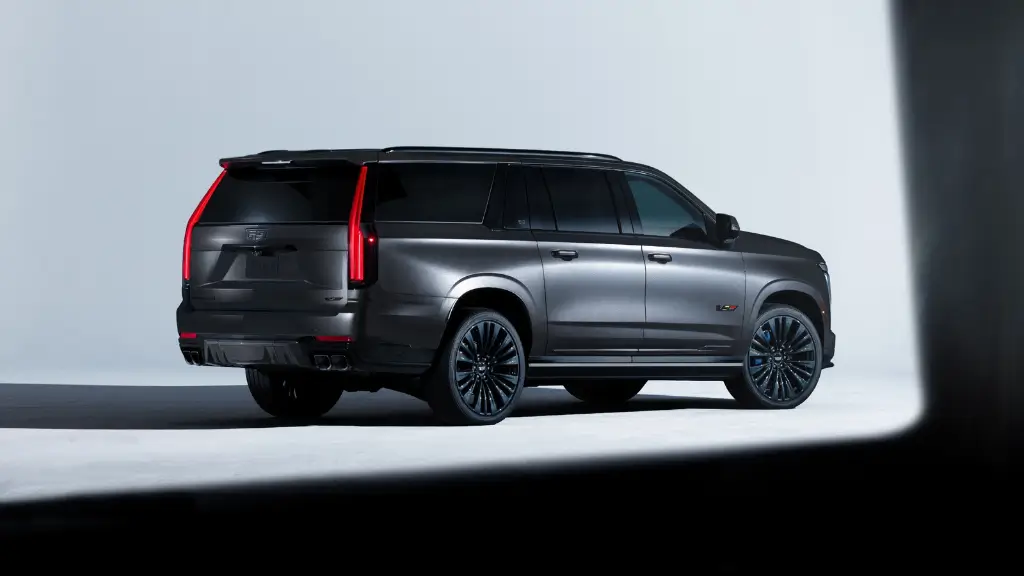
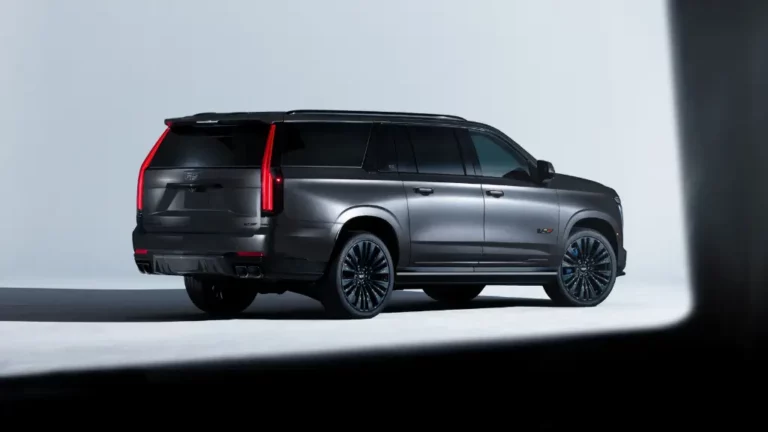
Luxury vehicles, which comprise a significant portion of the high-priced segment, face the highest days’ supply and the most substantial incentives. Vehicles priced between $50,000 and $80,000 are sitting on average for 100 days, with incentives approaching 10% of ATP. Overall, industry-wide incentive spending rose to 7.7% of ATP in October, compared to 7.2% in September and well above the 4.7% spent last year. While incentives help reduce inventory and fuel consumer demand, high prices and extended supply periods remain challenging for dealers and automakers as they prepare for the winter season.
With the holiday season underway, additional incentives and discounts are expected to drive consumer demand even higher, keeping the positive momentum in retail showrooms and further contributing to the rise in inventory levels. As automakers balance the complexities of maintaining discipline in production while responding to consumer needs, the auto industry is entering the year’s final months cautiously optimistic.