TSLA400.62011.72%
GM81.3203.27%
F12.8700.43%
RIVN17.2300.34%
CYD43.2600.9381%
HMC25.0000.64%
TM217.2004.34%
CVNA387.50025.26%
PAG161.3205.3%
LAD283.0408.17%
AN207.9909.7%
GPI349.94014.46%
ABG211.4407.35%
SAH70.7003.33%
TSLA400.62011.72%
GM81.3203.27%
F12.8700.43%
RIVN17.2300.34%
CYD43.2600.9381%
HMC25.0000.64%
TM217.2004.34%
CVNA387.50025.26%
PAG161.3205.3%
LAD283.0408.17%
AN207.9909.7%
GPI349.94014.46%
ABG211.4407.35%
SAH70.7003.33%
TSLA400.62011.72%
GM81.3203.27%
F12.8700.43%
RIVN17.2300.34%
CYD43.2600.9381%
HMC25.0000.64%
TM217.2004.34%
CVNA387.50025.26%
PAG161.3205.3%
LAD283.0408.17%
AN207.9909.7%
GPI349.94014.46%
ABG211.4407.35%
SAH70.7003.33%

U.S. agency proposes new vehicle design standards to reduce pedestrian fatalities

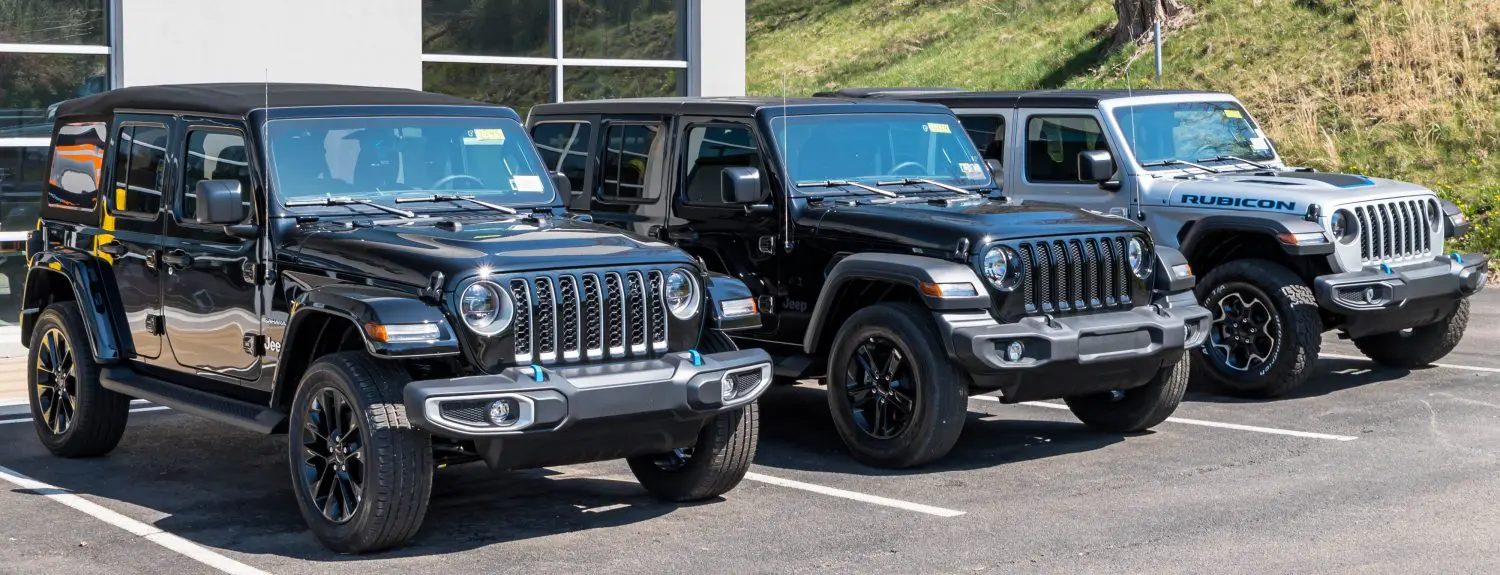
The proposal specifically targets uniquely American platforms, such as pickup trucks, to ensure pedestrian safety measures are consistent across all vehicle types.
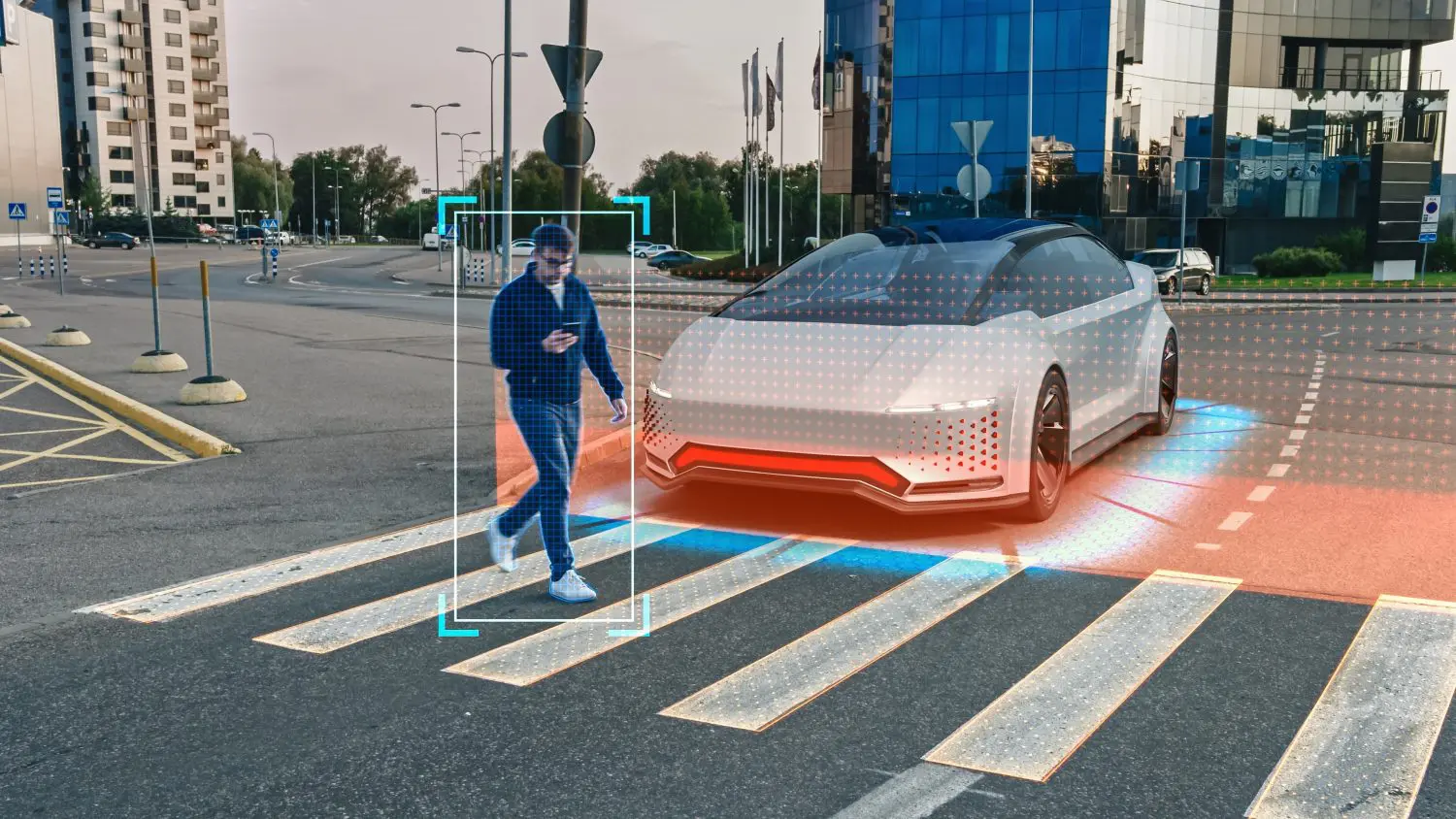
The U.S. NHTSA has announced a proposed regulation to redesign future vehicles, aiming to lower the risk of injuries in pedestrian crashes

The U.S. National Highway Traffic Safety Administration (NHTSA) has announced a proposed regulation to redesign future vehicles, aiming to lower the risk of serious or fatal injuries in pedestrian-involved crashes. This move comes as pedestrian fatalities in the U.S. continue to rise, with 7,522 pedestrians killed in 2022—a 0.7% increase from the previous year and the highest number since 1981. Injuries among pedestrians also rose by 11%, while cyclist fatalities surged 13% to 1,105, marking the highest figure since at least 1980.

The new rule primarily targets large vehicles like pickup trucks and SUVs, which do not currently meet international pedestrian protection standards. Automakers would be required to implement design changes to reduce the risk of head injuries in collisions, particularly those involving pedestrians striking vehicle hoods. A new head-to-hood impact test at speeds of up to 25 mph (40 km/h) would need to be met, as such collisions account for 70% of pedestrian injuries. The NHTSA estimates that the regulation could prevent approximately 67 fatalities each year.

The rule would take effect at least two years after its final publication, giving automakers time to comply. While the regulation would bring the U.S. in line with global standards, most passenger vehicles using international platforms already incorporate head protection designs. However, the proposal specifically targets uniquely American platforms, such as pickup trucks, to ensure pedestrian safety measures are consistent across all vehicle types.

NHTSA has been progressively working on pedestrian safety. In April, the agency announced that nearly all new passenger cars and trucks sold in the U.S. must include automatic emergency braking systems by 2029. These systems are designed to prevent or mitigate collisions with pedestrians by automatically stopping or slowing vehicles before impact.

Read More
More from Articles
STL launches ‘Neuralis’ in the US: A high-performance Data Center portfolio engineered for the AI era

STL launches ‘Neuralis’ in the US: A high-performance Data Center portfolio engineered for the AI era

- April 17, 2026
Washington, United States, 17/April/2026: STL Optical Connectivity NA, LLC,  (STLOC),  a U.S. subsidiary of STL [NSE: STLTECH], a leading connectivity solutions provider for AI-ready digital infrastructure, today announced the U.S. launch of Neuralis, its flagship...
GM leans on global production to supply U.S. market amid cost pressures

GM leans on global production to supply U.S. market amid cost pressures

- April 17, 2026
On the Dash: Imported inventory may create variability in delivery timing and supply consistency. Trade policy shifts could impact the pricing and availability of certain models. Global production strategies may...
Volkswagen ends U.S. EV output, triggering $600 million financial hit 

Volkswagen ends U.S. EV output, triggering $600 million financial hit 

- April 17, 2026
On the Dash: Slower EV demand may impact inventory planning and turn rates for electric models. Production pullbacks could tighten EV supply or shift sourcing toward imports. Ongoing cost pressures...
March sales surge tightens inventory, affordability gaps persist

March sales surge tightens inventory, affordability gaps persist

- April 17, 2026
On the Dash: Faster March sales improved inventory flow, but demand remains uneven heading into Q2. Limited sub-$40K inventory continues to constrain volume opportunities. Rising incentives indicate growing pressure to...
CBT News
Privacy Overview

This website uses cookies so that we can provide you with the best user experience possible. Cookie information is stored in your browser and performs functions such as recognising you when you return to our website and helping our team to understand which sections of the website you find most interesting and useful.