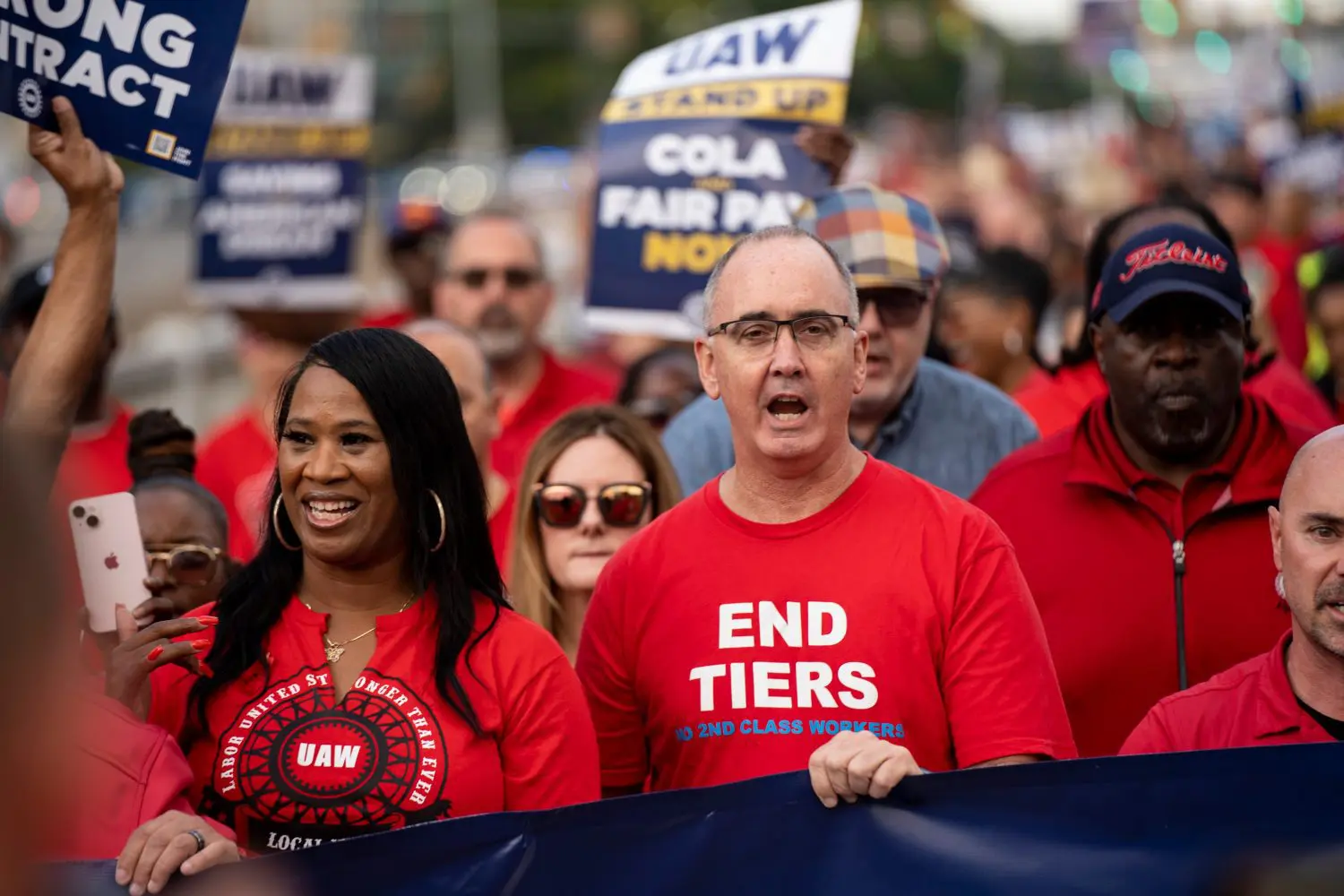
The United Auto Workers (UAW) is securing unprecedented wage increases and benefits at automotive supplier factories, driven by the hardline negotiations inspired by UAW President Shawn Fain. This success marks a significant win for workers but raises concerns among suppliers about the long-term impact on their financial stability.
In Michigan and beyond, workers at supplier plants, including major tier-one companies like Magna International Inc. and American Axle & Manufacturing, have won wage increases double or more than the typical 3% annual bump. Additionally, the union has secured better health and safety benefits and increased signing bonuses.
“We’ve fought harder than ever before,” said Waymon Halty, Vice President of UAW Local 155, who has led these negotiations. The gains achieved are unprecedented, according to Halty, reflecting the influence of Fain’s directive to negotiate more aggressively.
However, unlike the UAW’s master agreement with the Detroit Three automakers, which covers all unionized locations, deals with suppliers are negotiated on a per-plant basis. This approach, while beneficial for workers, has some executives worried. Many suppliers have been struggling with narrow profit margins due to industry challenges, including supply chain disruptions and the slow adoption of electric vehicles.
Executives from several large auto suppliers have expressed concerns that the aggressive negotiations could push companies too far, potentially leading to job losses. “Somebody’s got to pay for it,” said one local union leader, hinting at the potential for workforce reductions.
A recent example is the Lear Corporation plant in Wentzville, where workers secured a 30% wage increase after a three-day strike. While the deal was reached, Lear CEO Ray Scott emphasized the pressure it places on suppliers to manage rising costs. Scott indicated that automation would be key to mitigating these costs, with the company investing heavily in automation to maintain profitability.
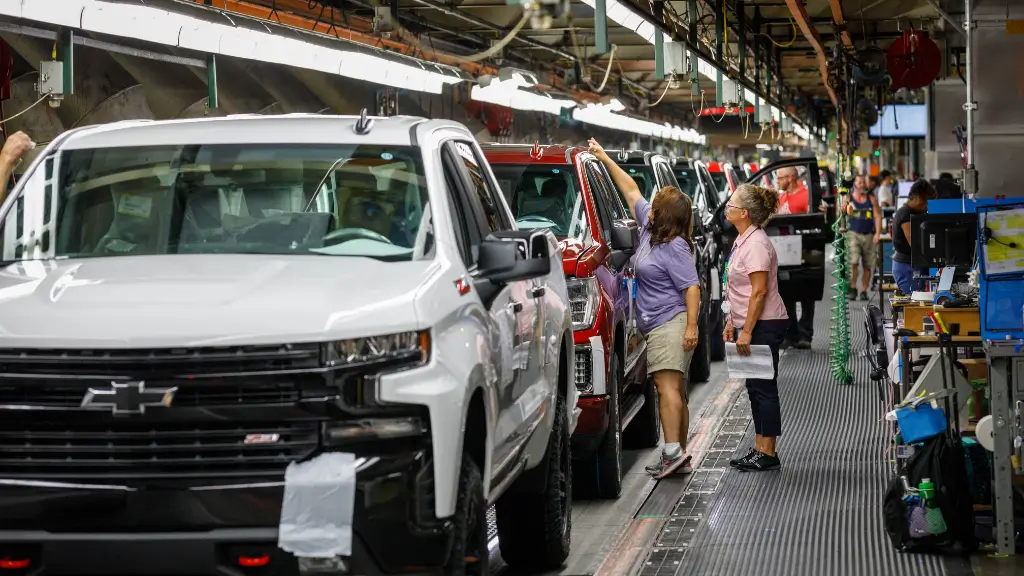
Rising wages are not solely driving the push for automation. Labor shortages remain a significant issue, with fewer workers choosing factory jobs over better-paying alternatives like Amazon. Automation, which often targets the more undesirable tasks, is seen as a solution to improve factory conditions and attract workers.
Despite the wage gains, the U.S. auto supply industry has seen a decline in jobs. The number of workers in motor vehicle parts manufacturing in Michigan has dropped by 50% over the past 25 years, with similar trends across the country. As higher labor costs continue to strain the industry, the move toward automation and offshore production is expected to accelerate.
While advocating for competitive wages, Halty acknowledged the need to balance worker satisfaction with company profitability. “I’m not trying to put you out of business,” he said, emphasizing the importance of maintaining a competitive edge while keeping employees happy.