TSLA379.7104.59%
GM78.100-0.43%
F14.1100%
RIVN15.6300.77%
CYD44.820-2.38%
HMC26.8300.69%
TM171.4804.98%
CVNA62.310-3.89%
PAG182.210-1.63%
LAD292.100-4.63%
AN191.640-0.41%
GPI301.7400.92%
ABG205.1702.12%
SAH84.5101.8%
TSLA379.7104.59%
GM78.100-0.43%
F14.1100%
RIVN15.6300.77%
CYD44.820-2.38%
HMC26.8300.69%
TM171.4804.98%
CVNA62.310-3.89%
PAG182.210-1.63%
LAD292.100-4.63%
AN191.640-0.41%
GPI301.7400.92%
ABG205.1702.12%
SAH84.5101.8%
TSLA379.7104.59%
GM78.100-0.43%
F14.1100%
RIVN15.6300.77%
CYD44.820-2.38%
HMC26.8300.69%
TM171.4804.98%
CVNA62.310-3.89%
PAG182.210-1.63%
LAD292.100-4.63%
AN191.640-0.41%
GPI301.7400.92%
ABG205.1702.12%
SAH84.5101.8%

Hyundai, Kia, and Genesis owners file lawsuit over faulty charging ports

The action alleges violations of the California Computer Data Access and Fraud Act.

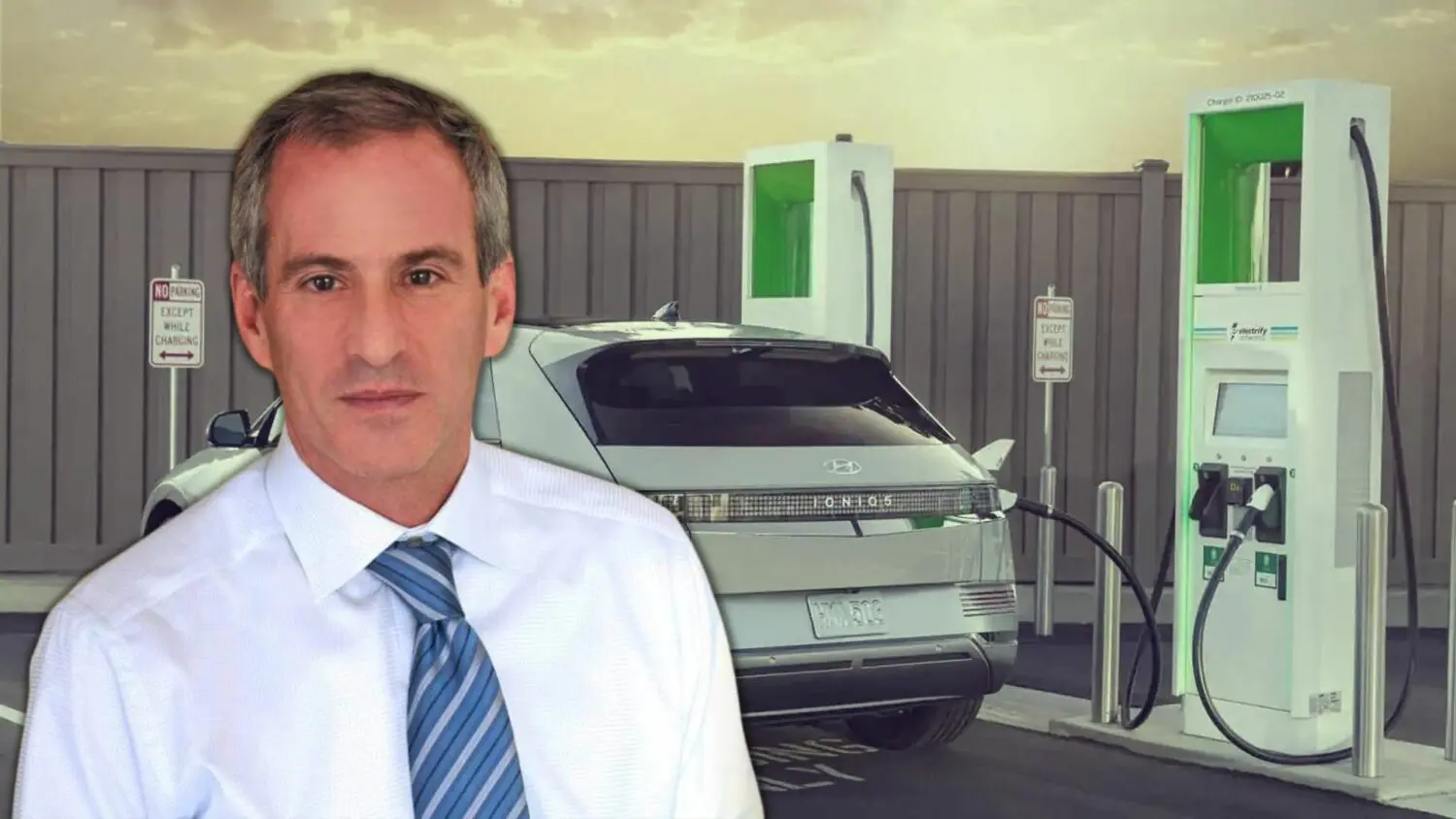
Steve Berman, managing partner at Hagens Berman

Owners of all-electric vehicles sold by Hyundai, Kia, and Genesis in the US have brought a class-action lawsuit against the automakers, alleging that some of their models have faulty charging ports that can result in charging times that are longer than they should be or even a failure to charge, leaving drivers stranded.

The lawsuit, filed late last month with the US District Court for the Central District of California, asserts that the manufacturers falsely claimed that using a Level 2 home charger could complete a vehicle’s charging in five to seven hours, depending on the vehicle’s make. Additionally, The lawsuit claims that automobile charging ports routinely overheat in as little as 30 minutes, resulting in unexpected and recurrent failures of the charging session.

The Hyundai Ioniq 5 and Ioniq 6, the Kia EV6, and the Genesis GV60 are among the vehicles listed in the court document as being affected.

Steve Berman, the managing partner at Hagens Berman and the case’s attorney said that Hyundai, Kia, and Genesis “continue to sell vehicles that are incapable of performing as advertised, as well as issue a software patch which substantially worsens charging rates and widens the gap between what they promised and what they delivered.” 

According to one plaintiff’s experience, it takes 20 hours to fully charge the 2023 Ioniq 5 at a 5% charge rate each hour. 

The complaint claims that if overheating happens, the 48 amps of advertised charging amperage drop to 28 amps, resulting in substantially lengthier charging periods than promised.

The fundamental issue, which is that these vehicles were not built to dependably charge at a rate even remotely close to 48 amps, needs to be addressed by this so-called remedy. “It’s unacceptable for Hyundai to cover up a major flaw that interferes with the vehicle’s claimed performance,” Berman says.

The action alleges violations of the California Computer Data Access and Fraud Act, the Computer Fraud and Abuse Act, and the relevant state consumer protection statutes to obtain appropriate compensation for car owners and lessors.

Further Reading
More from Articles
Stellantis, Nissan in talks to buy assets of former parts supplier

Stellantis, Nissan in talks to buy assets of former parts supplier

- June 26, 2026
On the Dash: Stellantis and Nissan are in talks to buy assets from bankrupt supplier Marelli, Bloomberg reports. Stellantis wants Marelli's suspension business; Nissan eyes cockpit assets in Japan. Marelli...
CarGurus to require fee disclosure for used vehicle listings beginning July 14

CarGurus to require fee disclosure for used vehicle listings beginning July 14

- June 26, 2026
On the Dash: Dealers should disclose all applicable fees on used vehicle listings before July 14 to avoid lower search visibility. CarGurus will soon calculate its IMV and Deal Ratings...
Volkswagen weighs cutting up to 100,000 jobs, closing four German plants

Volkswagen weighs cutting up to 100,000 jobs, closing four German plants

- June 26, 2026
On the Dash: Volkswagen may cut up to 100,000 jobs, doubling a previously announced reduction target. The automaker is considering closing four German plants, including facilities in Hanover, Zwickau, Emden...
Affordability alert: The car you could afford in 2019 costs $11,000 more today.

Dealers face affordability squeeze as entry-level vehicles disappear, report finds

- June 26, 2026
On the Dash: Dealers face affordability crunch as entry-level vehicles disappear Affordability concerns rise as new-vehicle prices have increased by more than $11,000 since 2019. Budget cars are nearly gone,...