American oil prices have rallied back from an all-time low of negative $37.63 per barrel for May futures on West Texas Intermediate (WTI) crude on April 20th. At that price, a seller would actually have to pay to have the buyer take their inventory – an unlikely scenario that would typically see sellers hold their product until the prices rebound. Last week, the WTI crude index was up to $41.40 per barrel before it began to regress once again. At the opening bell on July 20th, WTI Crude was down to $40.25 per barrel.
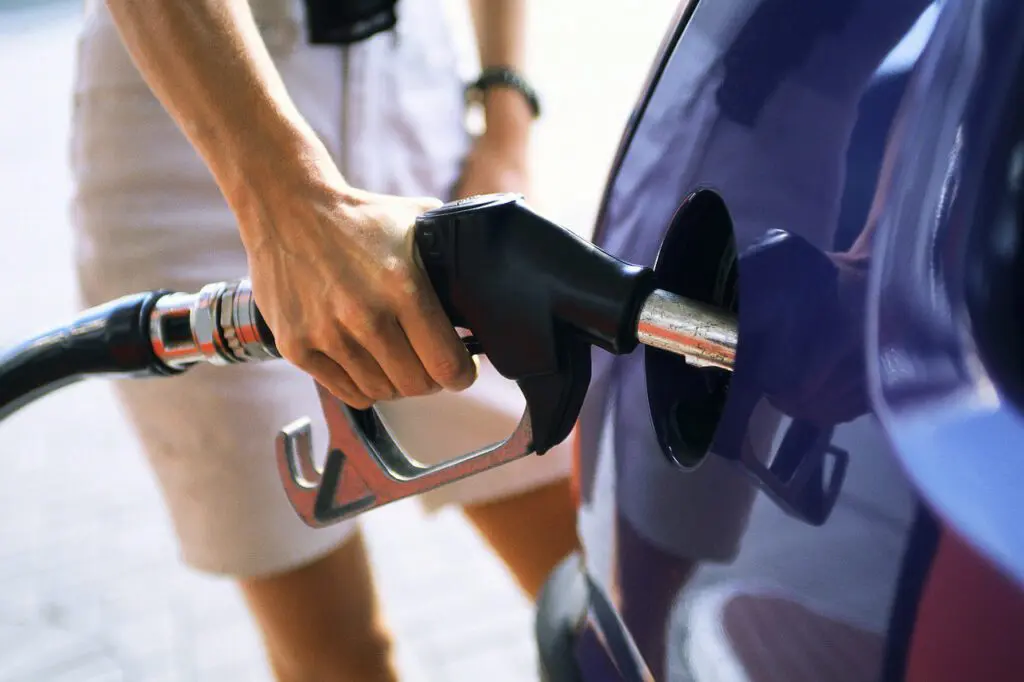
The price drop continues to reflect the decrease in demand for gasoline during the coronavirus pandemic. Fox Business is reporting that usage remains below pre-pandemic consumption levels and demand is once again falling as infection rates are climbing.
Relative Gas Prices
Regular-grade gasoline prices tanked to $1.66 per gallon in the final week of April 2020 when oil prices were at their lowest. In the subsequent weeks, the price has recovered and stabilized at around $2.11 per gallon on average, nationwide. At the same time last year, the price was $2.68 per gallon when WTI Crude was at $60 per barrel.
Although gas prices don’t follow crude oil futures exactly, they give a relative indication for the future. With oil prices tightening up, it’s a fair assumption that fuel prices will follow suit, assuming oil continues to lose value.
How It Affects the Economy
A Congressional Budget Office report highlighted the shift to smaller, more fuel efficient passenger cars when oil prices and fuel prices were near or above $3 per gallon in periods from 2005 to 2008. Especially when oil prices hold a trend for an extended period, consumer sentiment follows suit. When gas prices are high, people drive less and purchase more conservative models. And conversely, when fuel prices are low, consumers tend to drive more, buy more vehicles, and purchase larger, less fuel-efficient models.
The problem with the current economic climate is that consumers are driving less while fuel prices are down because of the coronavirus. That poses an unusual challenge for auto retail.
The Effect on Auto Retail
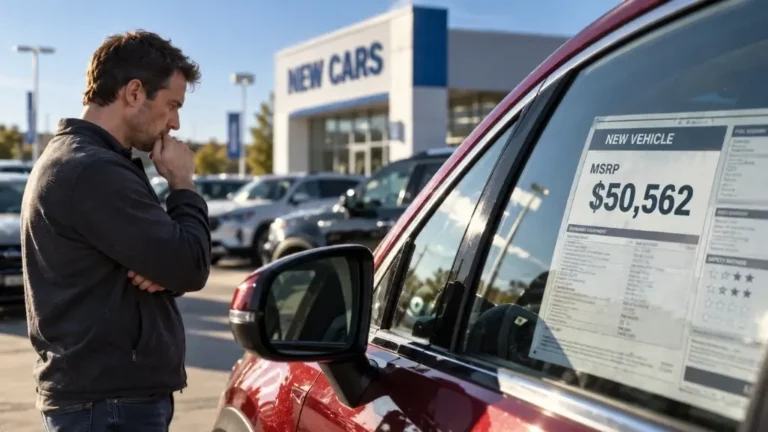
Normally, a higher volume of vehicle sales would be the result of suppressed oil prices and subsequently low fuel prices. But as the virus numbers spike in many states, consumer sentiment is reversing. The Deloitte State of the Consumer Tracker from July 13th indicates that American sentiment has shifted to an increasingly anxious view. 42 percent no say they’re delaying large purchases. Buying intent for vehicles is down 10 percent.
While consumer buying intent is down, it is a minor amount right now. Dealers may have to work harder to close deals and provide exceptional service whether in-person or through online sales. But the timing is also right for automakers to once again spur on sales with aggressive incentives. As factories have resumed assembly, inventory levels are slowly recovering.
Customers who may intend to keep their vehicles longer in light of the pandemic will need to perform routine maintenance and repairs to keep them functional and in good condition. It may be a time to focus on boosting revenue through the fixed operations departments while holding the line on new and used car sales.
It’s an unusual position in the United States: low fuel prices with low consumer sentiment. However challenging, dealers always prove their resiliency during tough economic times, and this will be another example.
Did you enjoy this article from Jason Unrau? Read other articles from him here.
 Be sure to follow us on Facebook and Twitter to stay up to date or catch-up on all of our podcasts on demand.
While you’re here, don’t forget to subscribe to our email newsletter for all the latest auto industry news from CBT News.