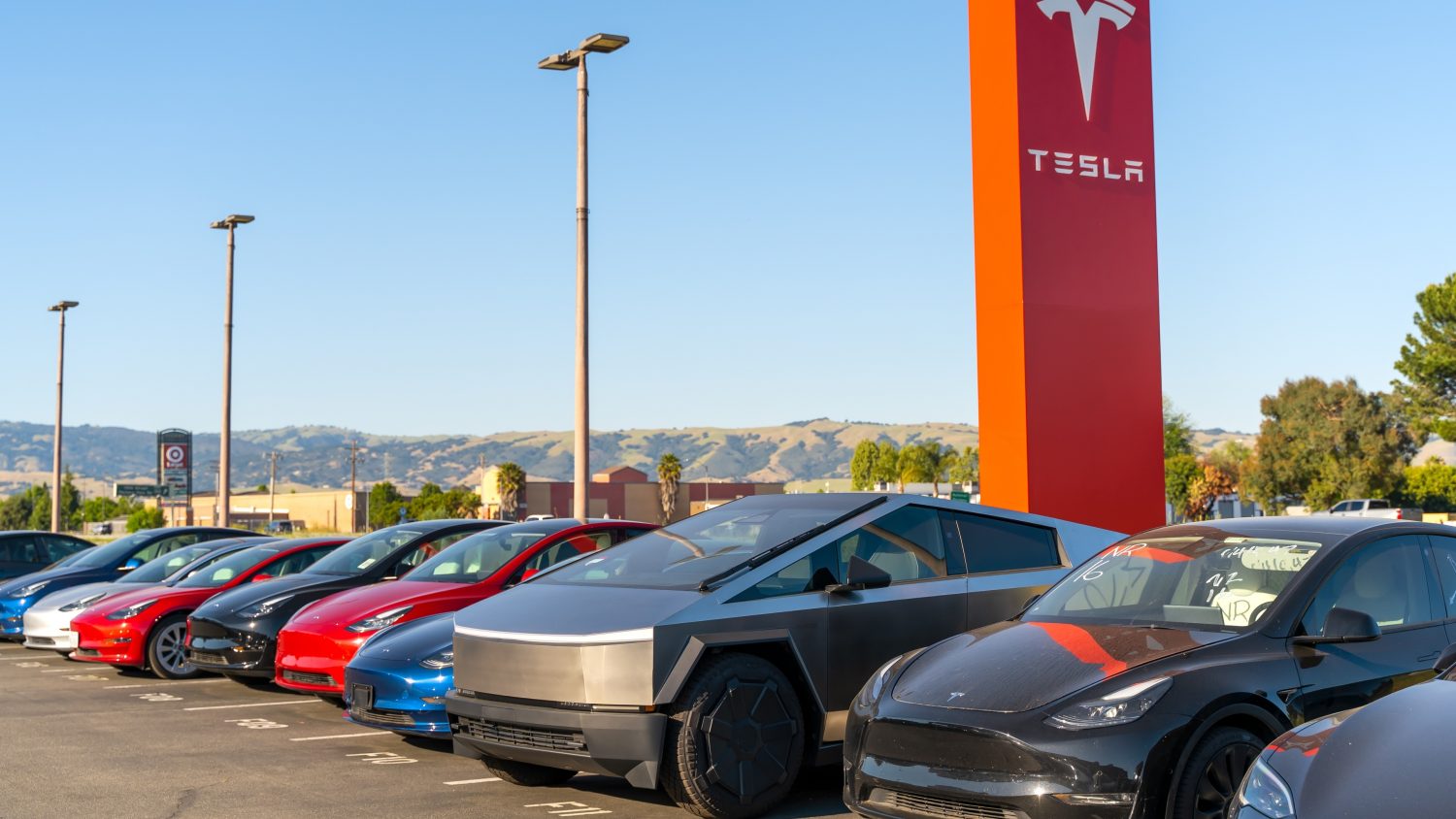
Tesla settled a lawsuit on Monday against the state of Louisiana and several auto dealerships and trade groups. The electric vehicle company challenged the state’s 2017 ban on direct sales of vehicles to consumers. A dismissal motion filed in the New Orleans federal court confirmed that Tesla’s claims had been “fully and finally” resolved.
Tesla initiated the lawsuit in August 2022 against the Louisiana Motor Vehicle Commission, dealerships owned by sitting commissioners and the Louisiana Automobile Dealers Association (LADA). The carmaker alleged that commissioners with ties to competing dealerships abused their regulatory power to block Tesla’s direct-to-consumer sales model, suppress competition and restrict its ability to enter the market.
Here’s why it matters:
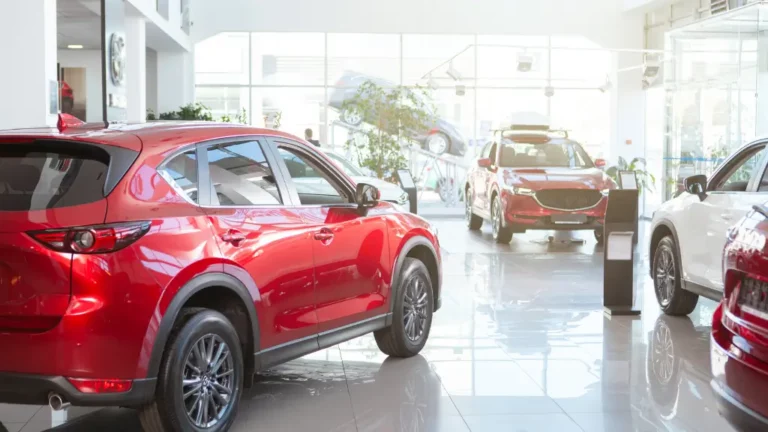
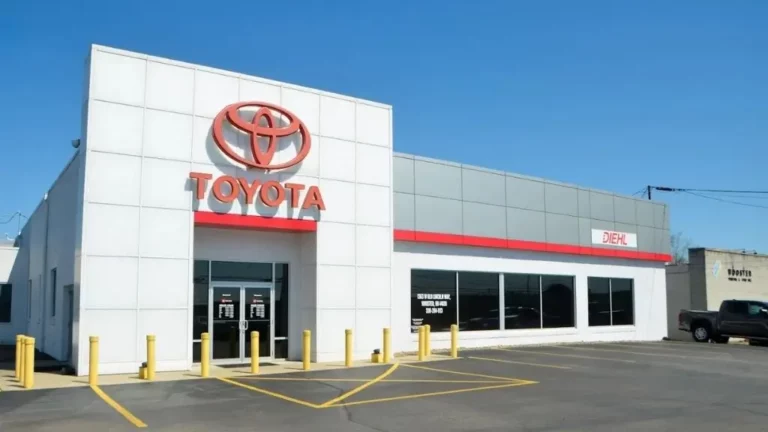
This case underscores the ongoing tension between traditional franchised dealership networks and direct-to-consumer sales models, particularly as electric vehicle makers like Tesla continue to challenge long-established state franchise laws. The resolution of Tesla’s lawsuit could impact how automakers, including emerging EV startups and legacy brands, approach sales, service and leasing strategies in restrictive markets. For industry stakeholders, the outcome could influence future state-level legal challenges and reshape retail automotive dynamics nationwide.
Key takeaways:
- Tesla settles long-running legal battle
The company settled its 2022 lawsuit challenging Louisiana’s 2017 ban on direct vehicle sales, ending its legal standoff with the state and dealership groups. - Allegations of biased regulation
Tesla claimed that commissioners tied to rival dealerships weaponized their regulatory power to suppress its direct-sales model, service operations and block them from entering the Louisiana market. - Higher courts gave Tesla momentum
In August 2024, a federal appeals court revived Tesla’s due process and antitrust claims. - Supreme Court declined to block lower court ruling
The U.S. Supreme Court rejected a petition from 18 motor vehicle commissioners, effectively upholding the appellate decision in Tesla’s favor. - Service and leasing restrictions also contested
Beyond retail sales, Tesla challenged Louisiana’s limits on its ability to lease and service vehicles in the state, which are key components of its customer experience model.