TSLA358.970-6.47%
GM87.1601.545%
F13.850-0.12%
RIVN15.860-0.17%
CYD35.000-0.82%
HMC32.490-0.03%
TM197.560-0.64%
CVNA70.8651.705%
PAG217.1501.24%
LAD360.2702.25001%
AN205.5901.92%
GPI284.0105.74%
ABG208.9100.41%
SAH76.2900.39%
TSLA358.970-6.47%
GM87.1601.545%
F13.850-0.12%
RIVN15.860-0.17%
CYD35.000-0.82%
HMC32.490-0.03%
TM197.560-0.64%
CVNA70.8651.705%
PAG217.1501.24%
LAD360.2702.25001%
AN205.5901.92%
GPI284.0105.74%
ABG208.9100.41%
SAH76.2900.39%
TSLA358.970-6.47%
GM87.1601.545%
F13.850-0.12%
RIVN15.860-0.17%
CYD35.000-0.82%
HMC32.490-0.03%
TM197.560-0.64%
CVNA70.8651.705%
PAG217.1501.24%
LAD360.2702.25001%
AN205.5901.92%
GPI284.0105.74%
ABG208.9100.41%
SAH76.2900.39%

Tesla restructures Autopilot features, expands subscription model

New Tesla buyers must subscribe to the company’s $99-per-month Full Self-Driving software to access self-steering features as the automaker prioritizes recurring AI revenue.

Tesla, Autopilot FSD

On the Dash:

  • Tesla removed Autosteer from standard features, shifting advanced driver assistance to a $99 monthly subscription.
  • The move supports Tesla’s strategy to grow recurring AI and software revenue amid slowing growth in EV sales.
  • Customer backlash and regulatory pressure add complexity to Tesla’s transition away from bundled features.

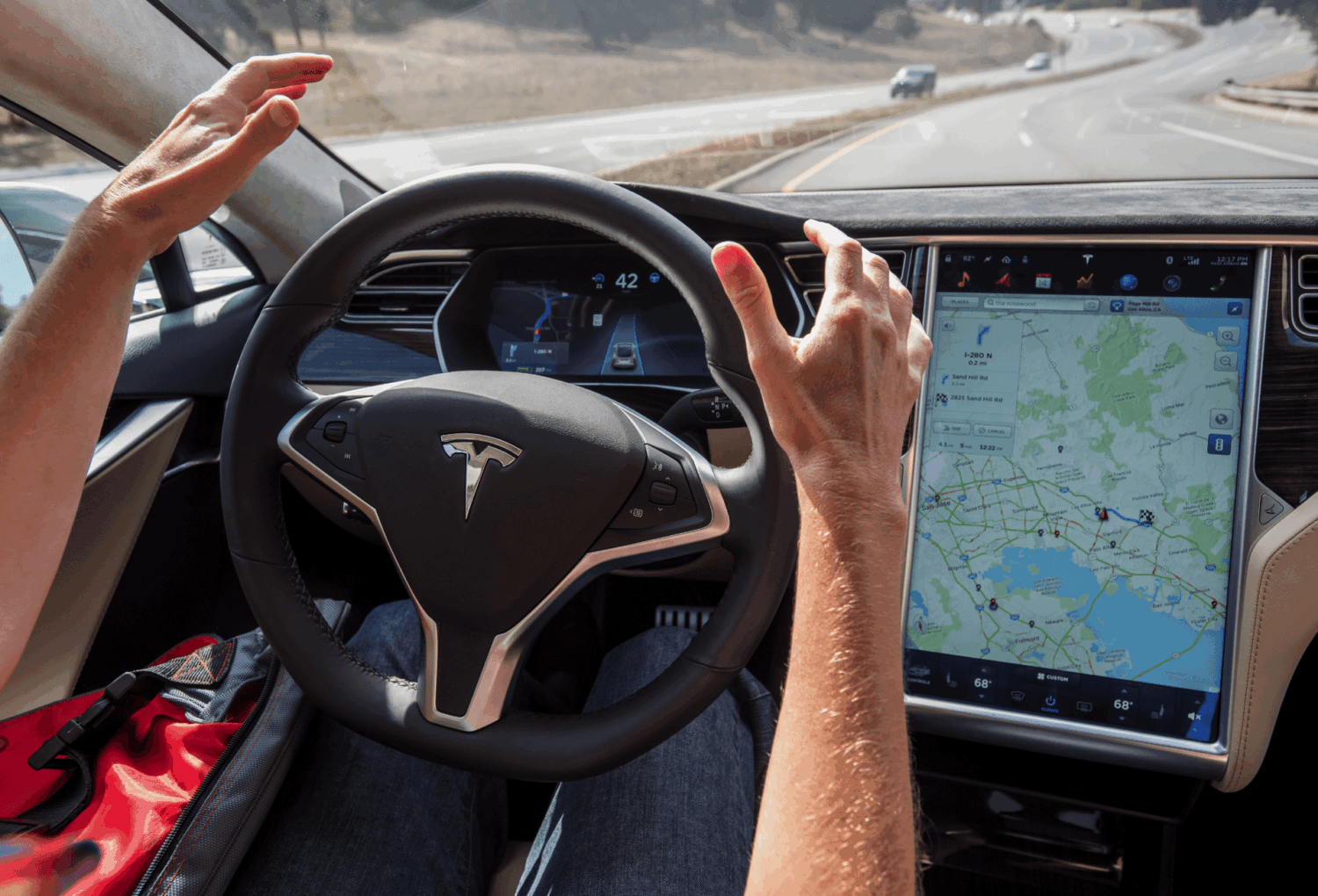
On Jan. 22, Tesla stopped including certain driver-assistance features, including Autosteer, as standard equipment on new vehicles sold in the U.S. and Canada, requiring customers to pay a $99 monthly subscription to regain access.

Under the change, new Tesla vehicles will continue to include Traffic Aware Cruise Control, which maintains a set speed and follows traffic at a safe distance, according to the company’s online vehicle configuration pages. However, Autosteer,  which keeps vehicles centered in a lane on highways, is no longer standard.

Vehicles will continue to come standard with Traffic Aware Cruise Control, which maintains a set speed and follows traffic at a safe distance. Autosteer, a feature that keeps vehicles centered in highway lanes, is now available only through Tesla’s Full Self-Driving (Supervised) subscription. The EV maker has also discontinued the Autopilot and Enhanced Autopilot packages, which previously offered similar capabilities.

Sign up for CBT News’ daily newsletter and get the latest industry stories delivered straight to your inbox

The shift aligns with CEO Elon Musk’s broader push to generate more revenue from artificial intelligence-driven software as sales of Tesla’s aging electric vehicle lineup soften. Musk has said increasing Full Self-Driving subscriptions is a long-term priority to reach 10 million subscribers over the next decade.

Customers who subscribe to Full Self-Driving gain additional features, including limited navigation on city streets, while driver monitoring remains mandatory. Tesla will eliminate the one-time $8,000 purchase option for Full Self-Driving beginning Feb. 14. 

Elon Musk has said the monthly price will rise over time as the software’s capabilities improve. Conversely, about 12% of Tesla customers currently pay for Full Self-Driving, and Musk aims to greatly expand that number as part of his compensation plan.

Some Tesla owners have also criticized the changes, noting they relied on basic Autopilot features for daily driving and only used Full Self-Driving for longer trips. Nevertheless, the company’s alterations follow scrutiny from regulators, particularly in California, where officials questioned whether terms like “Autopilot” could mislead consumers about the system’s capabilities.
More from EVs & Technology
DGDG bets on its people and affordable inventory

DGDG bets on its people and affordable inventory

- September 14, 2026
For Del Grande Dealer Group (DGDG), navigating an uneven market starts with the parts of the business it can control. CEO Jeremy Beaver joins us on today’s CBT Live segment...
GM targets 2029 for domestic sodium-ion battery production

GM targets 2029 for domestic sodium-ion battery production

- September 14, 2026
On the Dash: GM expects commercial production of sodium-ion battery cells with Peak Energy around 2029, initially targeting energy storage systems. The automaker is investing $900 million in new battery...
Greg Uland explains the role of AI agents in modern dealerships

Greg Uland explains the role of AI agents in modern dealerships

- September 11, 2026
The next major dealership efficiency gains may not come from adding more people, but from using the people and technology dealers already have better. That was one of the key...
hydrogen vehicles

What hydrogen vehicles could mean for car dealerships in the next decade

- September 10, 2026
The automotive industry is currently focused on electric vehicles. However, hydrogen fuel cell cars are also emerging, providing a viable alternative in the market. Many forward-thinking dealers are making way...
CBT News
Privacy Overview

This website uses cookies so that we can provide you with the best user experience possible. Cookie information is stored in your browser and performs functions such as recognising you when you return to our website and helping our team to understand which sections of the website you find most interesting and useful.