TSLA364.200-2%
GM82.190-4.43%
F13.210-0.4%
RIVN14.990-0.41%
CYD35.3900.87%
HMC32.210-0.32%
TM191.640-2.27%
CVNA65.120-0.72%
PAG212.510-2.24%
LAD316.260-5.42%
AN168.230-6.65%
GPI246.210-8.74%
ABG183.150-4.76%
SAH63.620-2.33%
TSLA364.200-2%
GM82.190-4.43%
F13.210-0.4%
RIVN14.990-0.41%
CYD35.3900.87%
HMC32.210-0.32%
TM191.640-2.27%
CVNA65.120-0.72%
PAG212.510-2.24%
LAD316.260-5.42%
AN168.230-6.65%
GPI246.210-8.74%
ABG183.150-4.76%
SAH63.620-2.33%
TSLA364.200-2%
GM82.190-4.43%
F13.210-0.4%
RIVN14.990-0.41%
CYD35.3900.87%
HMC32.210-0.32%
TM191.640-2.27%
CVNA65.120-0.72%
PAG212.510-2.24%
LAD316.260-5.42%
AN168.230-6.65%
GPI246.210-8.74%
ABG183.150-4.76%
SAH63.620-2.33%

Supreme Court sides with fuel industry in challenge to California emissions standards

The court's decision does not rule on California’s regulations themselves but permits the case to proceed in lower courts.
California emissions

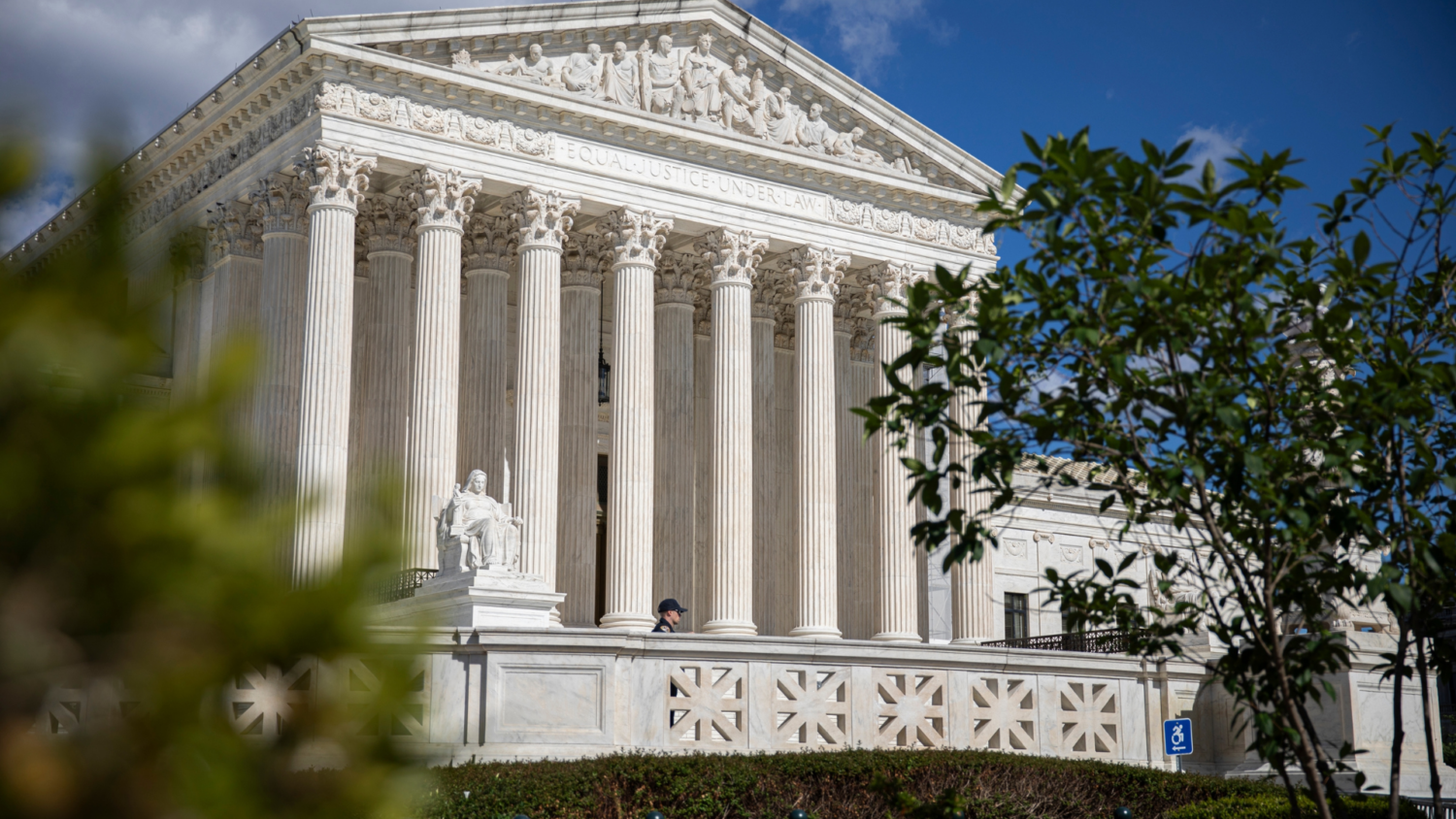
The U.S. Supreme Court has ruled that a group of fuel producers can proceed with a legal challenge to California’s vehicle emissions standards, reversing a lower court decision that previously dismissed the case for lack of standing. In a 7-2 decision, the court sided with Valero Energy’s subsidiary, Diamond Alternative Energy, and fuel industry trade groups, marking a significant development in the legal battle over state-level authority to impose stricter environmental regulations.

The lawsuit targets a 2022 Environmental Protection Agency (EPA) waiver that permits California to enforce its own tailpipe emissions rules and electric vehicle mandates through 2025. That waiver, granted under the Biden administration, reinstated California’s authority after it was rescinded in 2019 during President Donald Trump’s first term. Under the Clean Air Act, California is the only state permitted to set its own vehicle emission standards, provided it receives EPA approval. Historically, the state has received over 100 such waivers.

Sign up for CBT News’ daily newsletter and get the latest industry stories delivered straight to your inbox.

The court’s decision does not address the merits of California’s regulations but allows the case to be returned to the lower courts for further litigation. Fuel producers argue that the waiver exceeds the EPA’s statutory authority and harms their business by reducing demand for liquid fuels. The justices found that the plaintiffs had sufficient grounds to bring the case, rejecting the D.C. Circuit Court’s earlier conclusion that the challengers failed to show direct harm.

The ruling reflects the Supreme Court’s ongoing skepticism toward the broad regulatory powers of federal agencies, particularly the EPA. In recent years, the court has scaled back the agency’s authority to address environmental issues, including its jurisdiction over power plant emissions and water pollution.

California officials have pledged to defend their regulatory authority, stating that Congress intended for the state to have the power to implement stronger standards to protect public health and combat climate change. Meanwhile, the EPA’s more recent waiver for California’s plan to phase out gasoline-only vehicle sales by 2035 has also come under scrutiny from both political and legal perspectives. That initiative was nullified by President Trump earlier this month, triggering a new legal challenge from California and 10 other states.
Read More
More from Articles
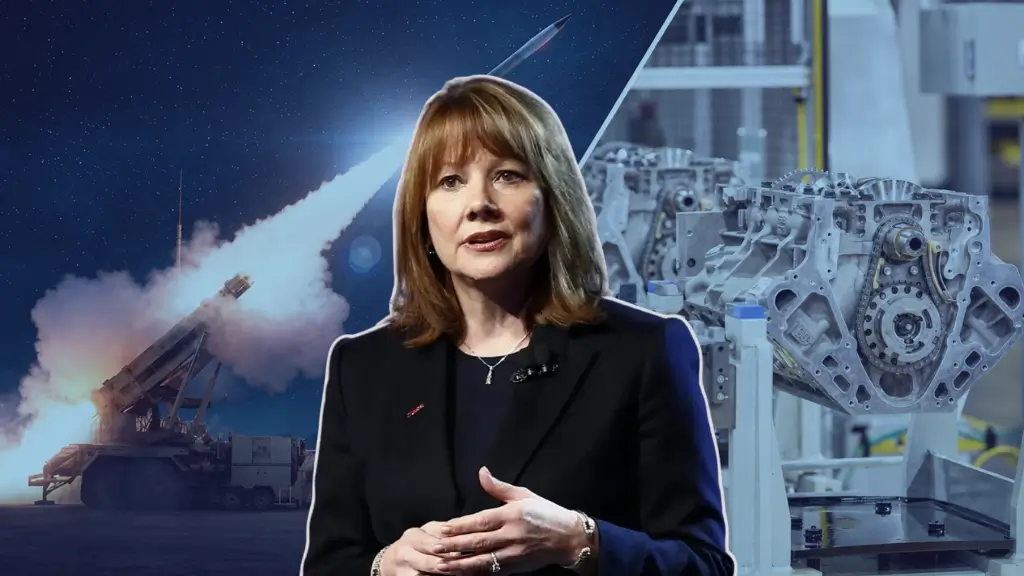
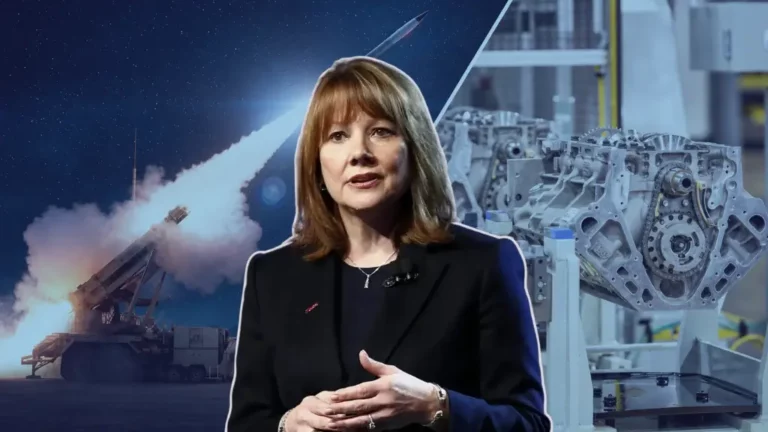
GM looks beyond EVs with focus on V-8-powered pickups and Patriot missiles

GM looks beyond EVs with new V-8-powered pickups and Patriot missiles

- September 18, 2026
On the Dash: GM Defense delivered Patriot missile parts to Lockheed Martin 22 days after signing its contract. The redesigned 2027 Silverado and Sierra add new 5.7-liter and 6.6-liter V-8...
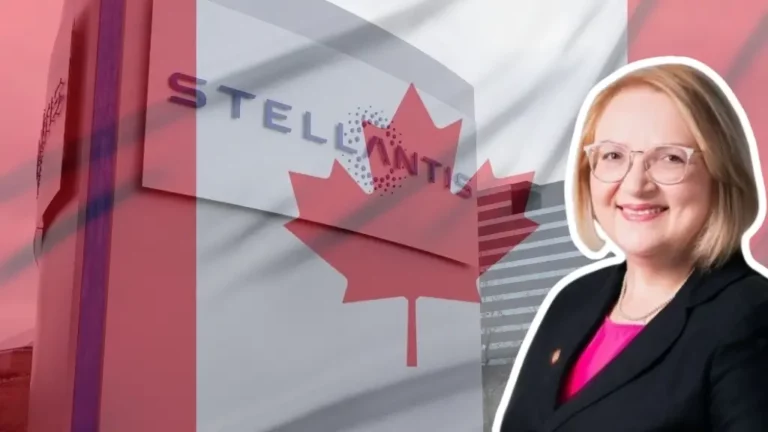
unifor

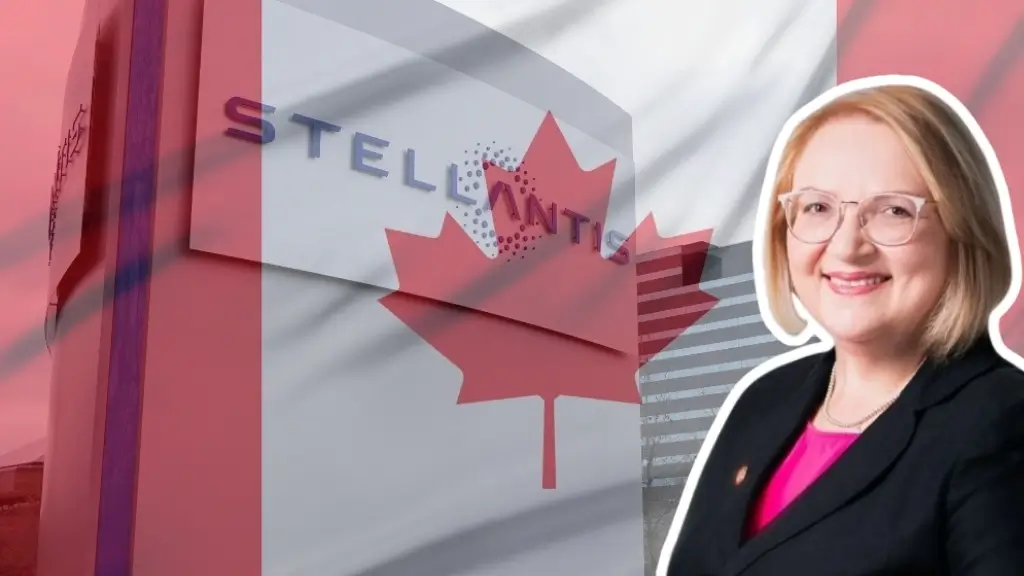
Stellantis faces potential strike as Unifor talks remain at impasse

- September 18, 2026
On the Dash: Stellantis faces a new labor deadline as its Canadian contract with Unifor expires Sept. 20. The future of the Brampton plant remains the central issue in negotiations...
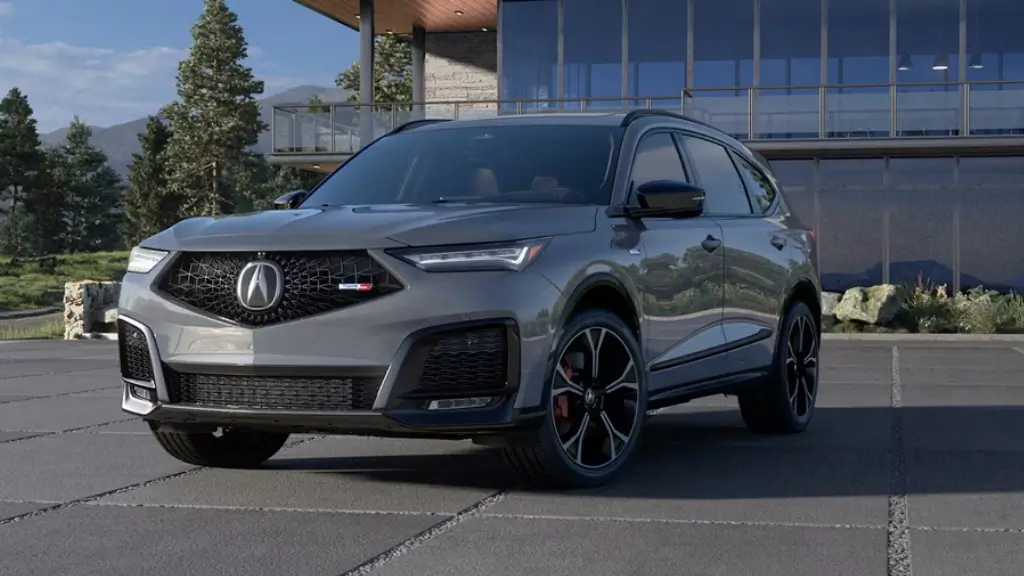
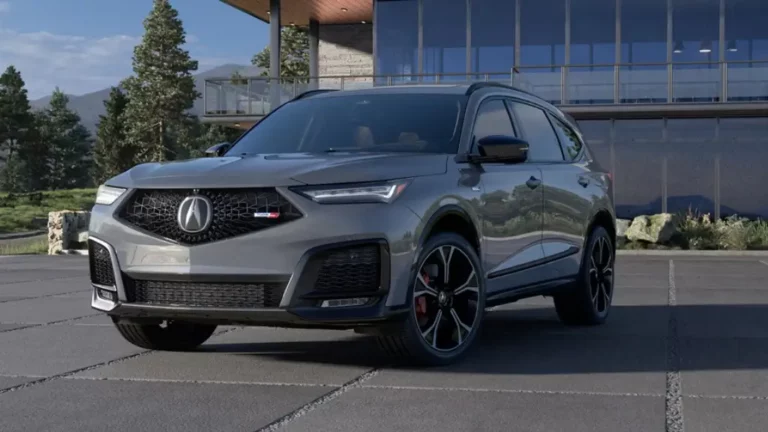
Acura pauses MDX Type S production amid emissions uncertainty

Acura pauses MDX Type S production amid emissions uncertainty

- September 18, 2026
On the Dash: Acura pauses the MDX Type S after 2026 with no timeline for its return. The trim is under 10% of MDX sales but delivers outsized margins. Emissions...
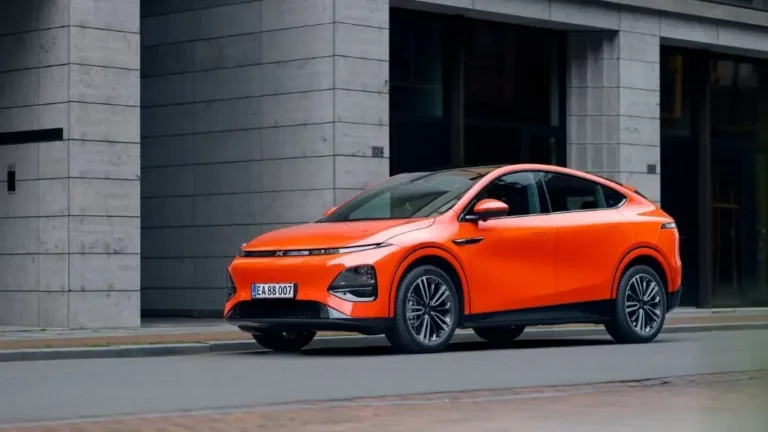
Xpeng

Xpeng looks to expand technology partnerships beyond Volkswagen

- September 18, 2026
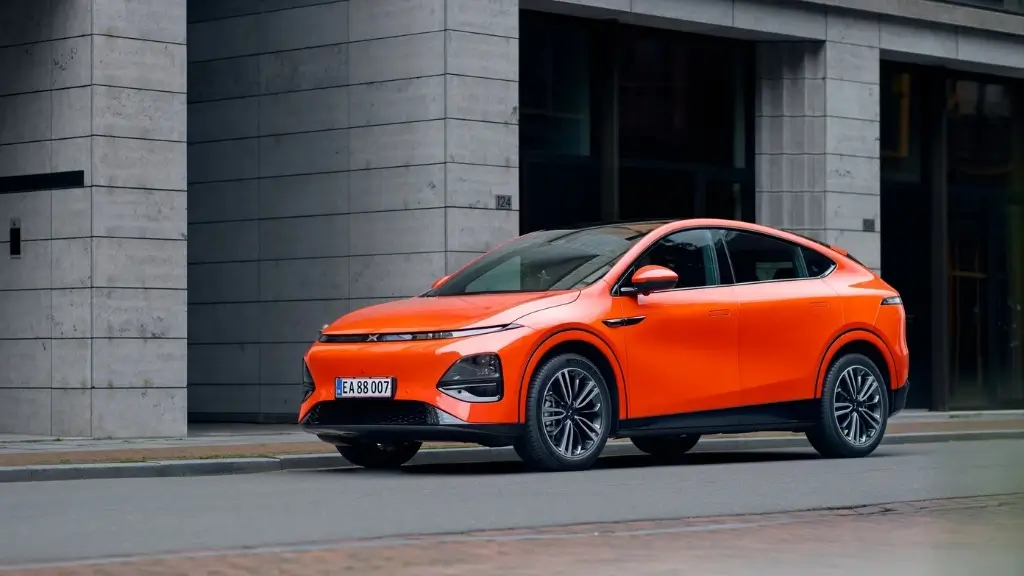
On the Dash: Xpeng is looking to turn its EV technology into a broader business by licensing systems to other automakers and suppliers. Its Volkswagen partnership shows the potential for...
CBT News
Privacy Overview

This website uses cookies so that we can provide you with the best user experience possible. Cookie information is stored in your browser and performs functions such as recognising you when you return to our website and helping our team to understand which sections of the website you find most interesting and useful.