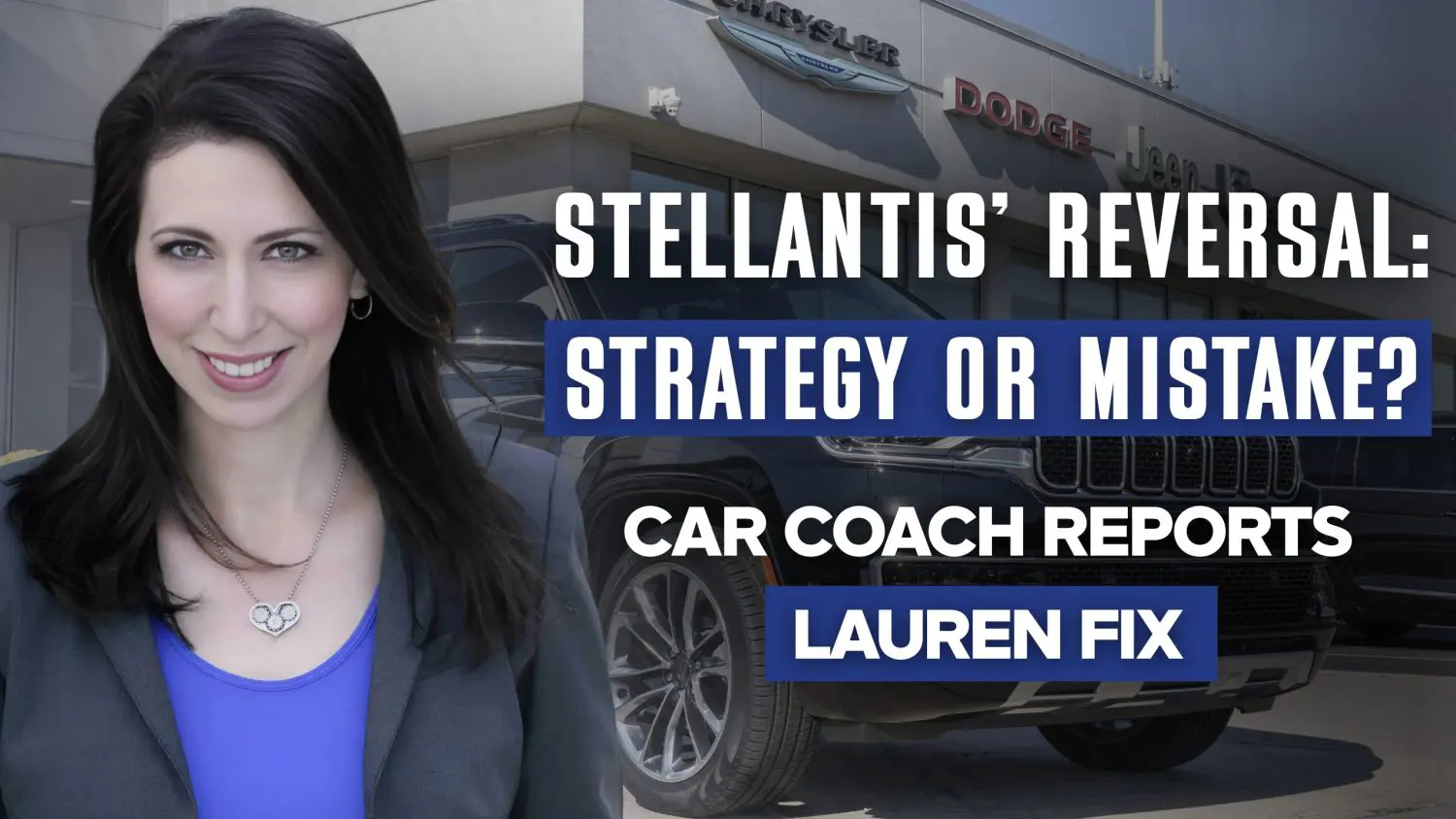
The house of cards is starting to fall. Stellantis, one of the world’s biggest automakers, just pulled the plug on its all-electric Ram 1500 REV pickup. Chrysler is scaling back its EV-only promises. Jeep is leaning back into hybrids and even reviving the HEMI V8.
What’s happening here isn’t just a business decision. It’s a rebuke of the political agenda that tried to force Americans into an all-electric future, whether they wanted it or not.
For years, Washington, D.C., Sacramento, and Brussels dictated what automakers “must” build. Billions of taxpayer dollars were funneled into subsidies and charging infrastructure. Regulations made gas-powered engines harder to produce, and deadlines were set for their elimination. Automakers fell in line – publicly touting bold EV promises, while privately worrying that the market wasn’t there.
Now the truth is impossible to ignore: consumers aren’t buying the vision.
Ram cancels the all-electric pickup
Ram’s 1500 REV was supposed to be the brand’s answer to the Ford Lightning and Chevy Silverado EV. But months of delays, weak demand, and slow sales across the full-size EV pickup segment forced Stellantis to cut its losses.
Instead of an all-electric truck, Ram is pivoting to a range-extended version – essentially a hybrid that can drive on gas when the battery runs out. The “Ramcharger” name is being dropped, and the range-extended truck will simply carry the 1500 REV badge.
That’s not just a marketing shift. It’s a confession: the electric pickup fantasy doesn’t match the real-world needs of truck buyers.
The sound of reality: HEMI V8 returns
Stellantis made headlines earlier this year when it admitted it “screwed up” by killing the HEMI. The replacement, a turbocharged inline-six called Hurricane, might have been efficient, but it lacked the soul, sound, and the brute force that Ram owners expect.
Even customers of the high-performance RHO complained. Stellantis listened. The HEMI is coming back, and Ram partnered with MagnaFlow to offer aftermarket exhausts that restore the roar that regulators tried to silence.
This isn’t nostalgia. It’s an act of defiance. Truck buyers demanded power and personality, and Stellantis is delivering it, even if it flies in the face of government mandates.
Chrysler and Jeep walk back EV promises
Chrysler had once promised to go fully electric. Not anymore. Its 2027 crossover, built on the STLA Large platform, will now offer hybrid options instead of being EV-only.
Jeep is doing the same. The Cherokee is returning as a hybrid, the Grand Wagoneer will get range-extending tech, and the brand is reintroducing the HEMI across multiple models. Even with its new Wagoneer S EV, Jeep isn’t gambling everything on one technology.
This is Stellantis choosing consumers over politicians.
Why Stellantis reversed course
Antonio Filosa, the new Stellantis CEO, is making a strategic shift: forget rigid EV deadlines, and instead build flexible platforms that can support gas, hybrid, electric, or even hydrogen drivetrains.
It’s a survival move. EV mandates weren’t written with consumers in mind, they were written by regulators trying to engineer a market from the top down. But when customers walked into showrooms, they didn’t buy the hype. They saw higher prices, long charging times, weaker towing, and shorter range.
The politicians assumed the public would play along with their games. They didn’t.
The broader industry collapse of the EV “mandate model”
Stellantis isn’t the only automaker waving the white flag. Ford has slashed production of the F-150 Lightning. GM has delayed the Silverado EV and rethought its timeline. Even Tesla’s Cybertruck (hyped as a revolution) is struggling to gain traction.
Billions in subsidies can’t change the fact that EVs still don’t deliver what most Americans need. And now, automakers are being forced to admit it.
The political fallout
This isn’t just about Stellantis. It’s about accountability. Regulators promised that mandates and subsidies would spark a seamless transition. Instead, they distorted the market, forced companies to over-invest, and left consumers footing the bill.
The EV push wasn’t about choice – it was about control. By eliminating gas-powered options, regulators hoped to leave Americans no alternative but to comply. Stellantis’ reversal blows a hole through that strategy.
The reality is simple: people want options. Some may choose EVs. Others will stick with hybrids or V8s. That’s how a free market works. And that’s exactly what regulators tried to override.
Ram is preparing a midsize pickup for 2027 with multiple drivetrains. The 700+ horsepower TRX, killed in 2023, is being resurrected. Jeep is broadening its portfolio with hybrids, EVs, and yes – good old V8s. Chrysler is banking on a mix of hybrid and crossover options to stay alive.
The pattern is clear: Stellantis is no longer chasing political approval. It’s chasing customer approval.
Stellantis’ course correction is more than a business story. It’s a warning shot. Automakers can’t build cars for regulators and expect consumers to fall in line. Politicians can’t legislate demand into existence.
The EV mandates weren’t about innovation – they were about control. But control only works until consumers push back. And now they are, with their wallets.
Stellantis may have “screwed up,” but its decision to return to engines, hybrids, and flexibility shows it learned a lesson that Washington still refuses to hear: the future of driving should be decided by drivers, not bureaucrats.
Check out my full commentary on this story: http://youtu.be/OsvjE1fZaTM
Looking for more automotive news? https://www.CarCoachReports.com
Listen to The Drive Car Show – https://www.youtube.com/@thedrivecarshow