
TSLA454.5307.79%
GM75.2900.6%
F13.1400.05%
RIVN18.0600.53%
CYD35.4900.32%
HMC29.6600.3%
TM198.2702.83%
CVNA398.8503.85%
PAG163.6200.45%
LAD325.010-0.75%
AN215.1300.79%
GPI408.350-2.02999%
ABG233.900-2.33%
SAH64.9000.67%
TSLA454.5307.79%
GM75.2900.6%
F13.1400.05%
RIVN18.0600.53%
CYD35.4900.32%
HMC29.6600.3%
TM198.2702.83%
CVNA398.8503.85%
PAG163.6200.45%
LAD325.010-0.75%
AN215.1300.79%
GPI408.350-2.02999%
ABG233.900-2.33%
SAH64.9000.67%
TSLA454.5307.79%
GM75.2900.6%
F13.1400.05%
RIVN18.0600.53%
CYD35.4900.32%
HMC29.6600.3%
TM198.2702.83%
CVNA398.8503.85%
PAG163.6200.45%
LAD325.010-0.75%
AN215.1300.79%
GPI408.350-2.02999%
ABG233.900-2.33%
SAH64.9000.67%
Dealers' #1 source for auto industry news, content, coaching & analysis

Nissan recalls over 19K US EVs due to quick charging fire risk

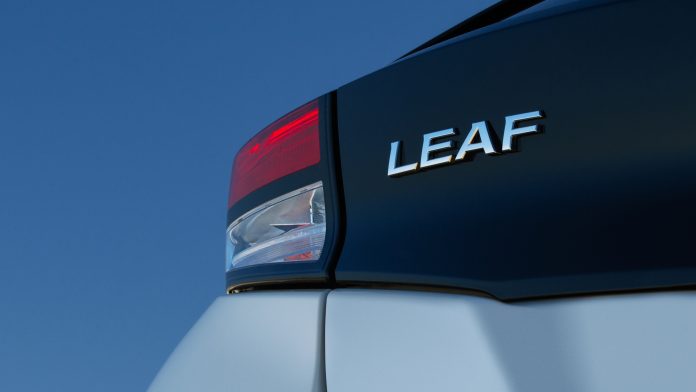
Vehicle owners of Nissan LEAF electric vehicles from model years from 2019 to 2022 should avoid using Level 3 quick charging until a remedy is available.

On the Dash:

  • Nissan issued a recall for over 19,000 Nissan LEAF EVs due to an increased fire risk while using Level 3 quick-charging technology.
  • The automaker discovered that the lithium-ion battery contains excessive lithium deposits in the battery cell, which can increase electrical resistance and lead to overheating.
  • Until a remedy is available, vehicle owners should avoid using Level 3 quick charging technology.

Nissan is recalling 19,077 electric vehicles in the United States due to an increased fire risk associated with the use of quick charging technology, the National Highway Traffic Safety Administration (NHTSA) announced on Friday.

The recall covers select Nissan LEAF electric vehicles from model years 2021 to 2022 equipped with a Level 3 quick charging port that were manufactured at the Nissan Smyrna plant. It also recalls certain LEAF vehicles from model years 2019 to 2020 that were already part of the previous 24V700 recall. Of the thousands of cars recalled, Nissan estimates that only 1% of vehicles are impacted by the defect.

Sign up for CBT News’ daily newsletter and get the latest industry stories delivered straight to your inbox.

The automaker found that the lithium-ion battery in impacted vehicles may contain excessive lithium deposits, which may cause electrical resistance. This resistance may cause the battery to overheat rapidly when using Level 3 quick charging, increasing the risk of a battery fire.

Until a remedy is available, vehicle owners should avoid using the Level 3 quick charging technology. Interim owner notification letters will be mailed by Oct. 24, and follow-up letters will be sent once a remedy is available.

The NHTSA recall number is 25V6550.

 

Stay up to date on exclusive content from CBT News by following us on Facebook, Twitter, Instagram and LinkedIn.

Don’t miss out! Subscribe to our free newsletter to receive all the latest news, insight and trends impacting the automotive industry.

CBT News is part of the JBF Business Media family.

Jasmine Daniel
Jasmine Daniel
Jasmine Daniel is a staff writer and reporter for CBT News. She holds a BFA in Writing from the Savannah College of Art & Design and has over eight years of experience in SEO, digital marketing, and strategic communication. Her storytelling skills bring breaking news to life, delivering timely, impactful stories that resonate with readers.

Related Articles

Latest Articles

From our Publishing Partners