
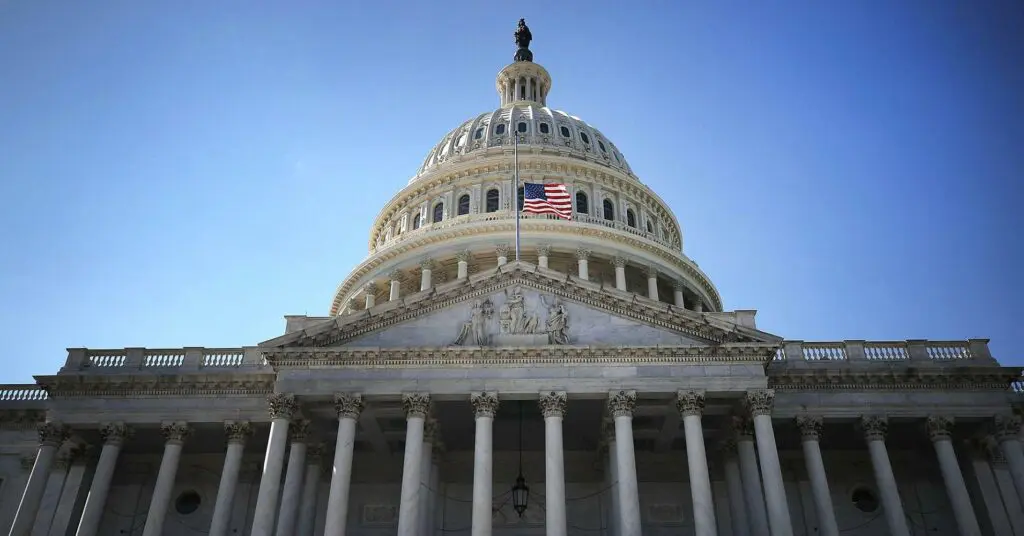
The government regulation process is forever fluid and unpredictable, but auto dealers caught a break with the Senate’s new tax reform bill. On December 2, 2017, the Senate passed the Tax Cuts and Job Act. The purpose of this act, compared to current law, is for taxes to decrease for all income groups by 2019. While a lot of the bill had to do with taxes on families and individuals, there were a couple of provisions that initially did not sit well with auto dealers and the National Automobile Dealers Association. It mainly had to do with the business interest and corporate tax rate sections in the bill. A Problematic Provision
Before Saturday’s bill approval, the NADA and dealers everywhere were concerned about proposed limits on tax deductions. The bill reduced the current 100 percent floor plan interest deduction to 30 percent, which also means a decrease in the number of interest payments that could be written off. This parameter would put dealers in the same category as corporations. Many auto dealers are considered small business owners with vastly different needs than larger corporations; a problem that was brought up by the NADA. Typically, auto dealers pay a lot more interest than other businesses because of having to use loans to buy cars from automakers. Historically, interest expense is one of the top three costs at local dealerships across the country. Both of these elements made the initially proposed bill a top concern. The Impact of The Initial Plan
If the act were allowed to stay in its original form, then it would have had lasting negative impacts on auto dealers and their employees. A tax bill that did not recognize floor plan loans as a special case that should be separated from other business entities who enter into loan arrangements would have ultimately prevented dealers from purchasing more vehicles; this would potentially lower inventory and decrease overall profit. Also, dealers were at risk of paying higher taxes even if they did not show a profit. These factors would likely contribute to a lack of revenue that would have caused many dealers to have to potentially lay off staff, and make additional cuts that would adversely impact productivity. A Favorable Outcome
The NADA led a grassroots effort to prevent this original bill from going into effect. On November 29, 2017, the NADA sent out a memo to senators urging them to support a change to this bill that ensures full floor plan interest deductibility. The urging worked, the final version of the Tax Cuts and Job Acts that passed included a last-minute change authored by Kentucky Senator Rand Paul. NADA had a lot of praise for the senator’s leadership on being the lead sponsor of the amendment to the bill. The grassroots campaign was so compelling that Paul’s representative, Sergio Gor, commented on the number of constituents that reached out regarding the contested provision. Dealers in Kentucky made the case that the proposed legislation would negatively impact the industry and a lot of Kentucky jobs tied to dealerships. In the end, the amendment was included. It made absolute sense for politicians across the country to take another look at the bill and agree on a way to meet the needs of dealers across the country. Jared Allen, spokesmen for the NADA, made the point that every congressional district is also home to an auto dealership that employs significant numbers of constituents, and pays local taxes. A decision that went the other way would have had lasting negative ramifications on local communities. The NADA’s work on the floor plan deduction also benefits dealerships who sell trucks, RVs, farm, and construction equipment.