TSLA298.320-9.12%
GM89.400-0.9%
F15.2800.32%
RIVN16.330-0.36%
CYD45.120-1.31%
HMC30.6800.4%
TM192.8406.54%
CVNA66.3300.26%
PAG223.4403.43%
LAD427.48069.17%
AN229.9809.65%
GPI357.9707.32%
ABG248.2607.27%
SAH112.6607.97%
TSLA298.320-9.12%
GM89.400-0.9%
F15.2800.32%
RIVN16.330-0.36%
CYD45.120-1.31%
HMC30.6800.4%
TM192.8406.54%
CVNA66.3300.26%
PAG223.4403.43%
LAD427.48069.17%
AN229.9809.65%
GPI357.9707.32%
ABG248.2607.27%
SAH112.6607.97%
TSLA298.320-9.12%
GM89.400-0.9%
F15.2800.32%
RIVN16.330-0.36%
CYD45.120-1.31%
HMC30.6800.4%
TM192.8406.54%
CVNA66.3300.26%
PAG223.4403.43%
LAD427.48069.17%
AN229.9809.65%
GPI357.9707.32%
ABG248.2607.27%
SAH112.6607.97%

Most Ford EVs won’t qualify for full tax credit under Treasury’s new rules

Ford claims that most of its electric lineup will no longer qualify for the full $7,500 tax credit, and will instead earn up to $3,750
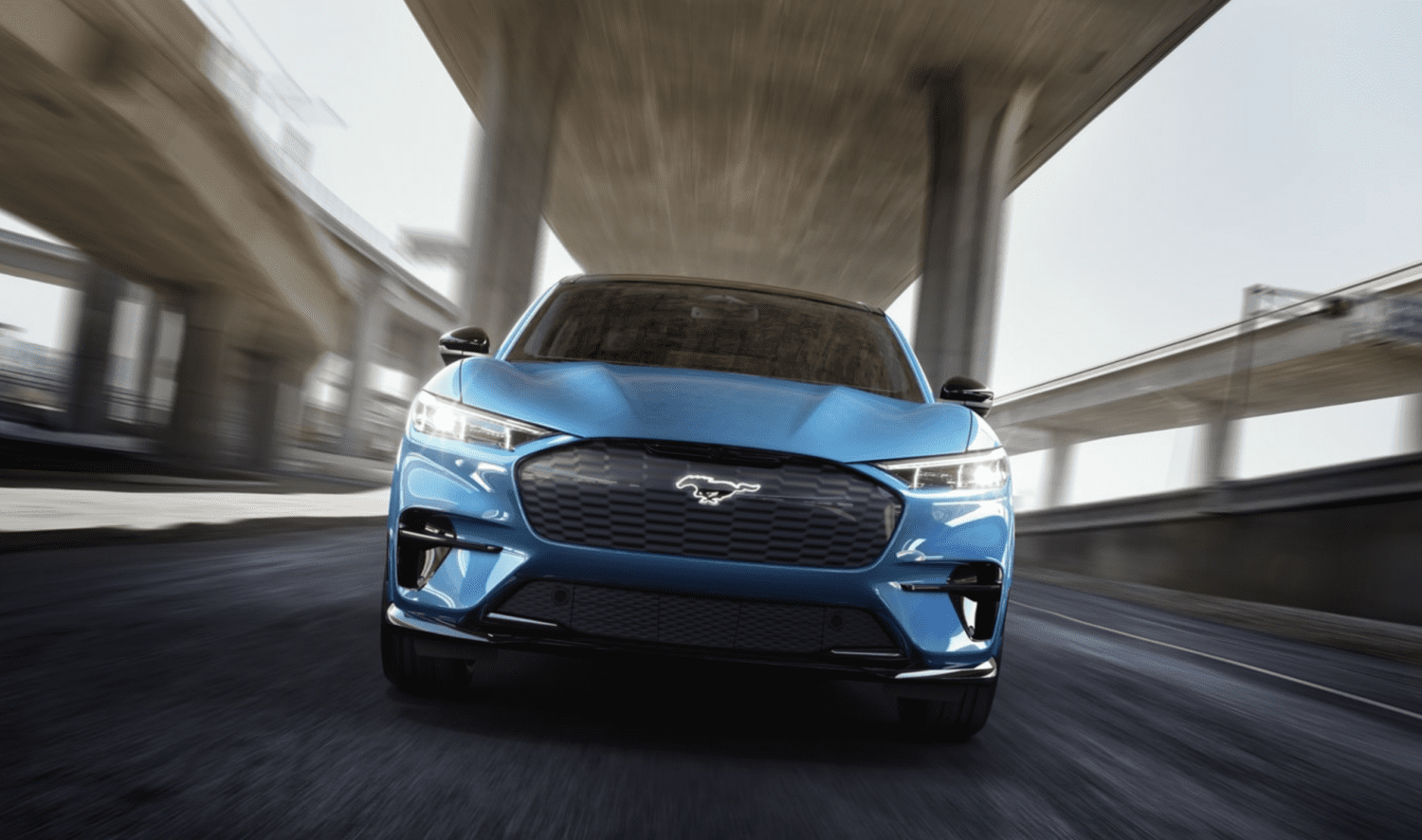
Ford 2023 Mustang Mach-E

Ford 2023 Mustang Mach-E

Shortly after the Treasury Department publicized its revisions to the Inflation Reduction Act’s EV tax credit rules, Ford revealed that most of its electric lineup will no longer qualify for the full amount.

While the law originally allowed a wide selection of EVs to qualify for up to $7,500, the Treasury’s changes tighten domestic sourcing restrictions for batteries, in terms of both materials and assembly. When the rules go into effect on April 17, many vehicles which originally qualified for the full tax credit could lose a large portion of the incentive.

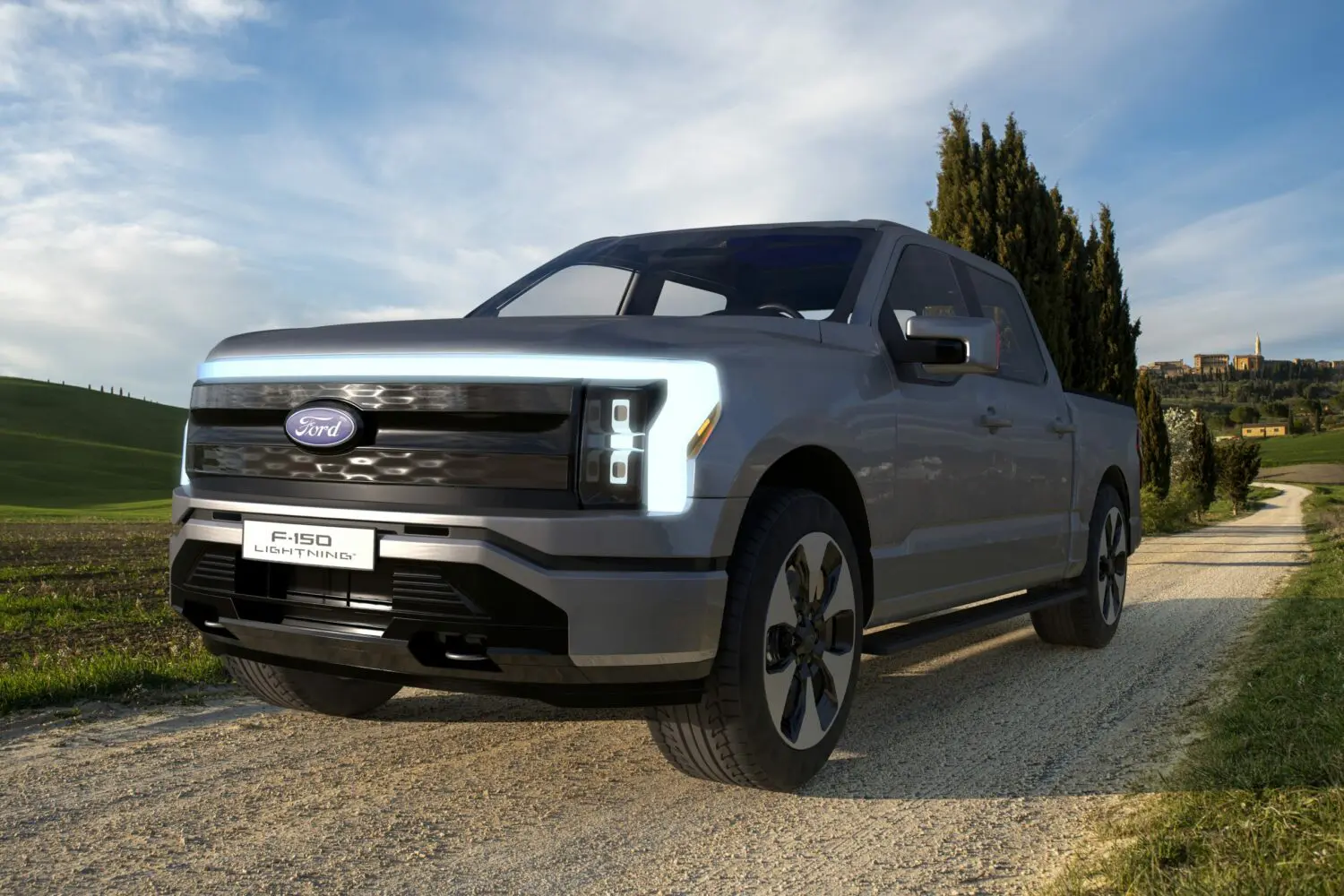
Ford now says that four of its six electric models will only earn $3,750 under the revisions. These include the Escape Hybrid, Mustang Mach-E, Lincoln Corsair Grand Touring and E-Transit. The brand’s remaining EVs will still qualify for the full $7,500 tax credit, those being the F-150 Lightning pickup and Lincoln Aviator Grand Touring. After closing its Lightning factory for over a month due to a battery issue, the automaker now plans to hire an additional 300 employees to ramp up the truck’s production.

Other manufacturers are likely to make similar reports in the coming days. Even before the updates were released, brands such as Tesla were preparing to lose tax credits on high-profile vehicles such as the Model 3. According to the Treasury’s statement, the restrictions will increase steadily over the next several years, until they eventually require EV batteries to be assembled exclusively in the U.S., and made entirely from domestically sourced materials.
Read More
More from Articles
The auto industry's quiet power grab – nobody's connecting these dots

The auto industry’s quiet power grab – nobody’s connecting these dots

- July 29, 2026
Last night, my Ford Bronco did what millions of modern vehicles now do without a second thought—it installed an automatic software update. The next morning, I discovered something I never...
Ford raises 2026 profit outlook despite tariffs, EV charges and production disruptions

Ford raises 2026 profit outlook despite tariffs, EV charges and production disruptions

- July 29, 2026
On the Dash: Ford raised its 2026 profit guidance, signaling confidence in consumer demand despite ongoing headwinds. Truck and hybrid demand continue to drive pricing power, while EV losses narrowed...
Trump bans new Chinese robots, power inverters over national security concerns

U.S bans new Chinese robots, power inverters over national security concerns

- July 29, 2026
On the Dash: The latest restrictions reinforce the administration's push to reshore advanced manufacturing and critical technology production. Increased scrutiny of Chinese technology could further reshape automotive supply chains and...
BMW to slash 8,000 jobs in Germany as China sales slump

BMW to slash 8,000 jobs as China sales slump weighs on outlook

- July 29, 2026
On the Dash: BMW plans to cut about 8,000 jobs globally, mostly in Germany, through a voluntary severance program that spares production roles.  The cuts follow June's profit warning...
CBT News
Privacy Overview

This website uses cookies so that we can provide you with the best user experience possible. Cookie information is stored in your browser and performs functions such as recognising you when you return to our website and helping our team to understand which sections of the website you find most interesting and useful.