Amazon changed the way America buys books, clothes, electronics, and groceries. Now it’s moving on the auto industry—and if you think this is just another “online shopping feature,” you’re missing the real story. Amazon isn’t dipping a toe into car sales. It’s positioning itself to become the central hub for buying new and used vehicles, and the consequences for automakers, dealers, independent media, and referral sites could be massive.
This isn’t a future concept. It’s already happening.
Amazon’s quiet first step: Hyundai and beyond
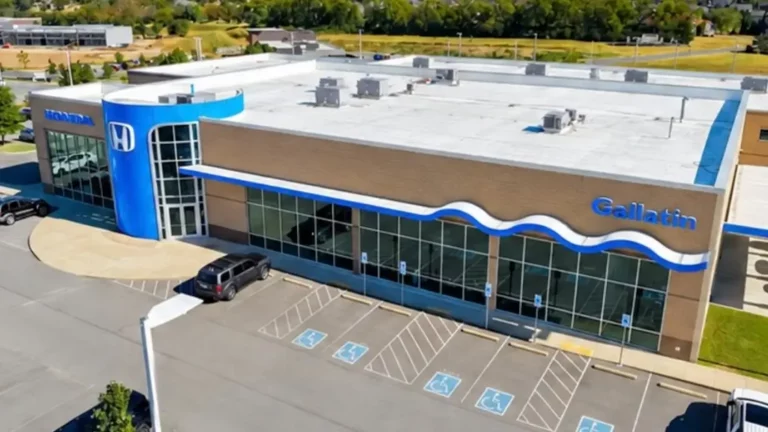
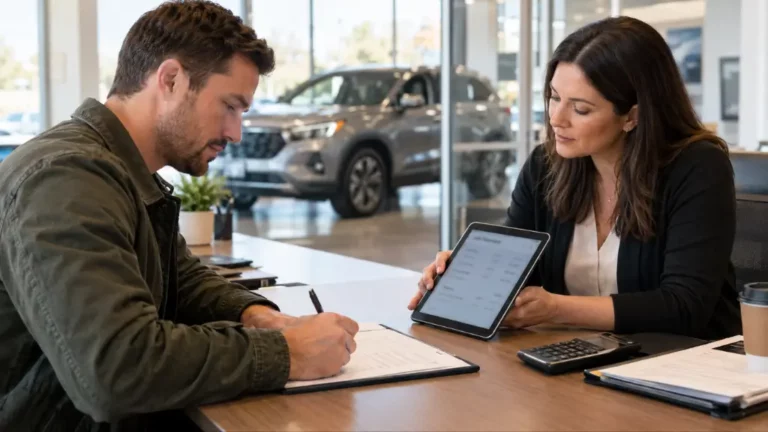
Amazon’s initial partnership with Hyundai was framed as a new, streamlined shopping experience. The pitch sounded harmless enough: browse Hyundai vehicles on Amazon, apply for financing online, complete most of the paperwork digitally, then head to a participating dealer to pick up your car. Simple, familiar, and built into the platform millions of people already use every day.
The original Hyundai–Amazon announcement described the partnership as “a first-of-its-kind digital shopping destination” that makes buying or leasing “easier than ever.” It taps directly into Amazon’s strongest asset—consumer trust.
But Hyundai was only the beginning.
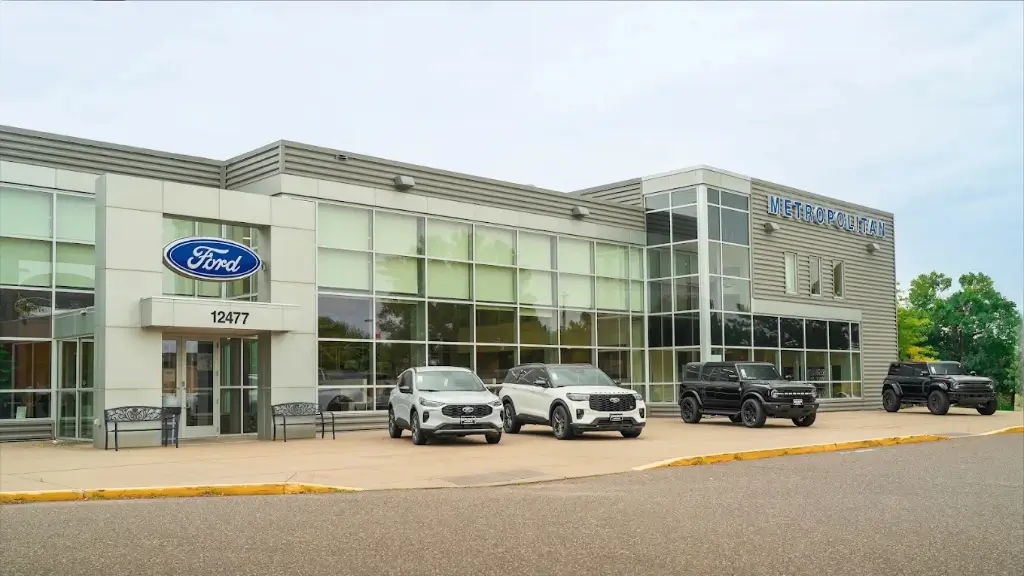
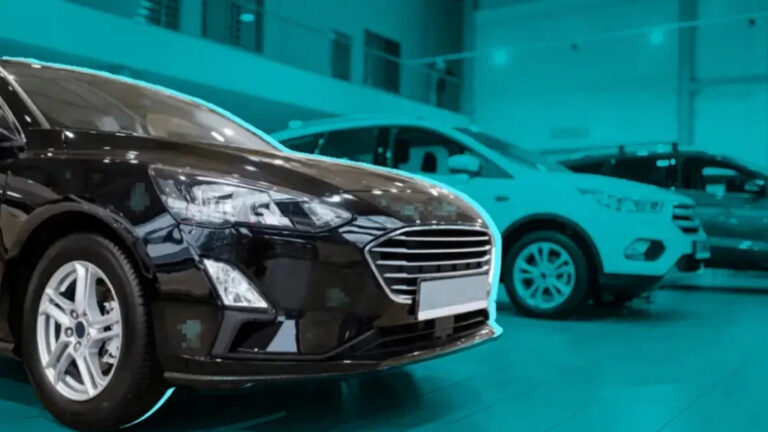
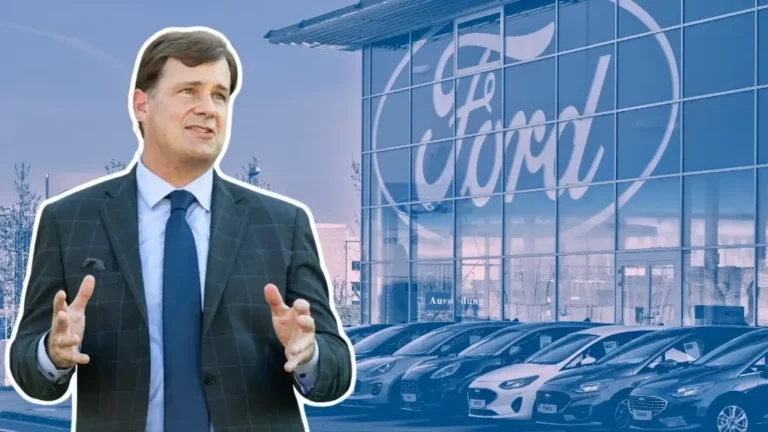
Ford is now joining Amazon Autos with its certified pre-owned inventory. Behind the scenes, Amazon is simultaneously negotiating with CarMax, Carvana, AutoNation, and some of the largest dealer groups in the country. This isn’t a test run. It’s the early build-out of a national automotive marketplace—one that Amazon plans to control.
The threat to referral giants: This is a direct takeover
For years, companies like Cars.com, CarGurus, TrueCar, Edmunds, and Cox Automotive have dominated the referral business. Their entire model revolves around sending shoppers to dealers and collecting millions in referral fees—often the largest part of their revenue.
Amazon is about to pull the rug out from under them. This could put their business model and future in jeopardy.
If car shoppers can browse inventory, arrange financing, compare models, complete paperwork, and reserve vehicles on Amazon, why would they bother with referral sites that offer a fraction of the convenience?
Amazon has a proven track record: once it enters a sector, it tends to dominate it. It did it to bookstores. It did it to electronics retailers. It did it to big-box chains. And now it’s setting its sights on automotive commerce.
If Amazon becomes the go-to destination for car buying, referral-based businesses won’t just take a hit—they could be wiped out entirely.
Stage two: Becoming a national car dealer
The long-term play is even more ambitious.
Amazon’s next strategic step is to secure dealer franchises and licenses—state by state, brand by brand. With enough lobbying power (and Amazon has plenty), it could position itself not just as a marketplace but as a licensed dealer for multiple brands across numerous states.
At that point, Amazon wouldn’t just connect you with a dealership. It would be the dealership.
And it’s not far-fetched. Amazon already has the infrastructure, logistics, consumer reach, and political influence to take this step. States that are friendly to corporate expansion will see no problem granting Amazon a dealer license—especially if Amazon frames it as a “consumer choice” issue.
Once Amazon becomes a licensed dealer for even one or two brands, the floodgates open.
Global ambitions: The world’s largest car seller
Make no mistake: Amazon is positioning itself not just as an American car retailer, but as a global auto marketplace.
Imagine a future where you search for a vehicle the same way you search for appliances or running shoes—across multiple brands, with real-time comparisons, financing, protection plans, verified seller ratings, and home delivery.
For Amazon, becoming the global hub for car shopping isn’t just appealing—it’s a potential trillion-dollar expansion.
Automakers, especially those with weaker dealer networks, may see this as an opportunity. But others will find themselves pressured into joining Amazon’s ecosystem simply because they can’t afford not to.
Collateral damage: Independent media and review outlets
There’s another consequence many aren’t talking about: the impact on independent automotive media.
A large share of industry publications relies on advertising, sponsorships, affiliate links, and referral revenue from dealers and OEMs. Amazon’s dominance would compress or eliminate those revenue streams—especially for outlets that depend on SEO-driven traffic or links sending shoppers to dealer websites.
If Amazon becomes the central platform for car buying, reviews, ratings, and consumer research will inevitably shift to Amazon’s ecosystem—just as they have for home goods, tech products, and household essentials.
The result?
Independent voices may struggle to survive.
This is not theoretical. This is the pattern Amazon has repeated in every industry it enters.
At first glance, more convenience sounds great for shoppers. And in many ways, Amazon’s entrance will make car buying easier.
But there are real questions about:
- Competition: What happens when Amazon dictates the marketplace?
- Pricing leverage: Will dealers be forced into Amazon’s system to survive?
- Data control: Amazon would have unprecedented access to sensitive buyer information.
- Dependence: When everything flows through one platform, innovation suffers.
Automotive choice in the U.S. has always relied on competition. Amazon’s expansion risks shifting that power to a single company.
This is the moment to watch
Amazon isn’t simply adding cars to its website. It’s setting the foundation to become the dominant force in automotive retail.
Hyundai was the first step.
Ford is the next. They are selling used and certified pre-owned inventory. The question is when, not if, more brands will follow.
And when they do, the entire structure of the auto industry—from referral sites to dealer groups to independent media—will feel the effects.
This is one of the most significant shifts in automotive commerce in decades. And while many consumers may appreciate the convenience, the long-term consequences deserve serious attention.
Amazon wants to be the new place to buy cars. It plans to own the entire funnel—from discovery to financing to purchase. And if history tells us anything, once Amazon commits to owning a category, it tends to get what it wants.
This story is still unfolding. And it’s far bigger than most people realize.
Check out my full commentary on this story: http://youtu.be/-FQLkiFyz3s
Looking for more automotive news? https://www.CarCoachReports.com
Listen to The Drive Car Show – https://www.youtube.com/@thedrivecarshow