
On the Dash:
- Dealership M&A stays strong, with dealerships sold up 8% through the first nine months of 2026.
- Luxury brands lead buyer demand, while Toyota valuations may have peaked, Presidio says.
- Manufacturer approval delays and store reputation can lower what buyers will pay.
According to Presidio Group’s latest Q3 2026 Dealership M&A Market Update, the market still favors sellers, though the balance has shifted slightly toward buyers for challenged brands. Demand is concentrated in top brands and markets, and manufacturer approval friction is cooling interest in others.
Presidio estimates about 290 transactions involving 395 dealerships closed through Sept. 30. The transaction count is just below last year’s level, while multi-store deals and portfolio moves are pushing the average deal size higher.
According to George Karolis, President of The Presidio Group, more deals are reaching the market as dealers face industry and brand-specific pressure. In Presidio’s Midyear 2026 Dealer Direction Survey, 64% of dealers said they want to buy in the next year, and 18% want to sell, up from 11% at the end of 2025. Additionally, Presidio’s deal pipeline is the largest in the firm’s history, with several large deals expected to close in the fourth quarter and early 2027. Next year could bring a significant number of megadeal closings, potentially approaching 2021’s level, Karolis said. The six public groups reported $6.59 billion in available liquidity as of June 30, and they are buying and selling stores at the same time to reshape their brand mix.
Luxury brands in demand
Luxury brands accounted for 7.9% of franchises that changed hands in the first nine months of 2026, up from 3.9% in the same period of 2023. Lexus remains the most valued brand among acquirers, with the highest valuation guidelines at 10.0x to 11.0x blue-sky earnings. Mercedes-Benz remains another favorite target.
Toyota remains in strong demand, but Presidio believes valuations have peaked and could ease, since some stores have traded at luxury-brand levels. Meanwhile, Honda is drawing more interest, though its plans to add open points in Sunbelt markets could affect how intensely acquirers compete.
On the other hand, Presidio says Audi may be approaching a floor. The group also removed its valuation guidelines for Volkswagen because of negative dealer sentiment.
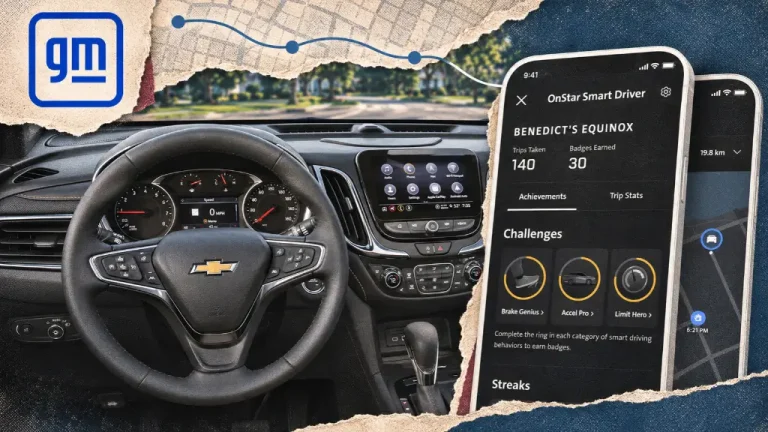
Dealers have also raised approval concerns about several brands, including Hyundai and those owned by General Motors. Complaints range from facility requirements to slow, layered reviews. Chevrolet, GMC, Buick and Cadillac made up 14.9% of franchises traded, and Presidio is watching whether approval concerns weigh on GM brand valuations in its fourth-quarter report.
Vet reputation and approval risk
Dealers planning a deal should treat manufacturer approval and store reputation as factors that move price. A slow or difficult buy-sell process can reduce a buyer’s appetite for a franchise and what the buyer will pay, even when the brand is strong, Karolis said. A strong reputation can support a higher valuation and a smoother transition, while complaints or regulatory problems can mean a smaller buyer pool, longer timelines and added repair costs.
Presidio says a reputation review should cover five areas:
- Customer sentiment and loyalty, including repeat business
- Online reviews, complaint patterns and social media sentiment
- Regulatory or legal history, particularly on sales and F&I practices
- Store culture and how it is perceived as a place to work
- Marketing needed to reintroduce the store to the community after closing
Earnings alone may not show a store’s worth. Average dealership profit fell 10.9% through the first three quarters of 2026.