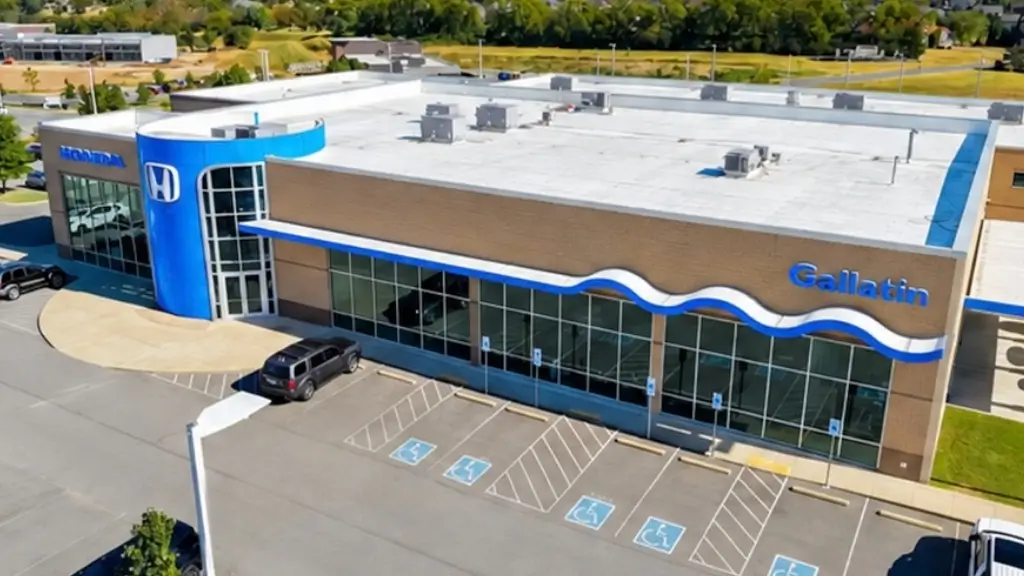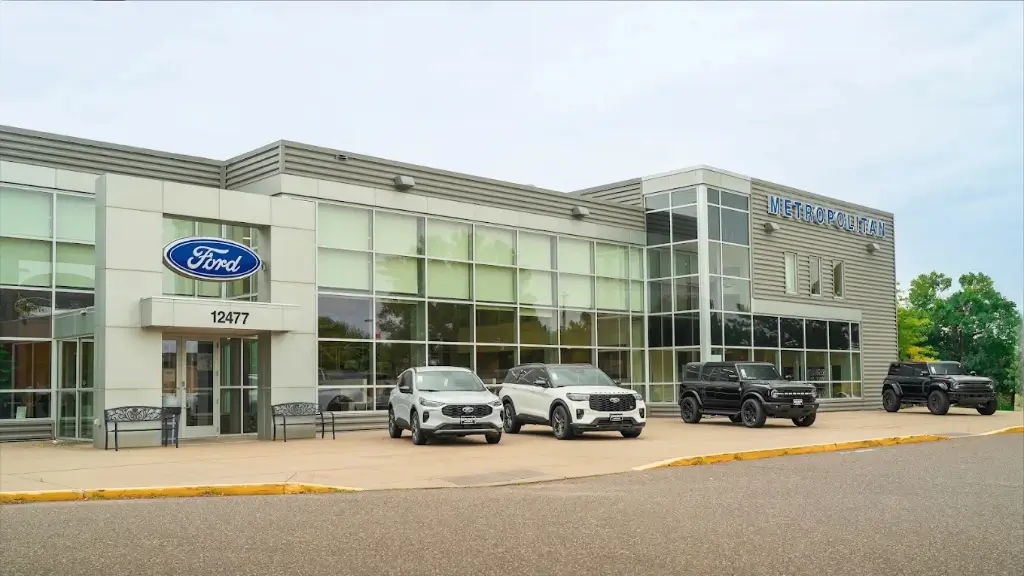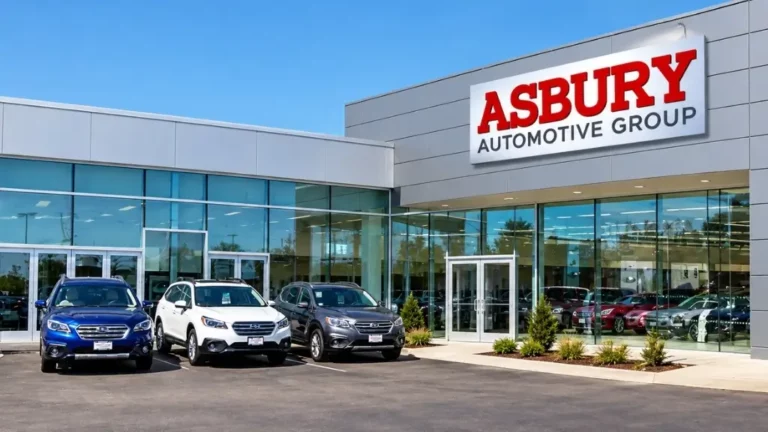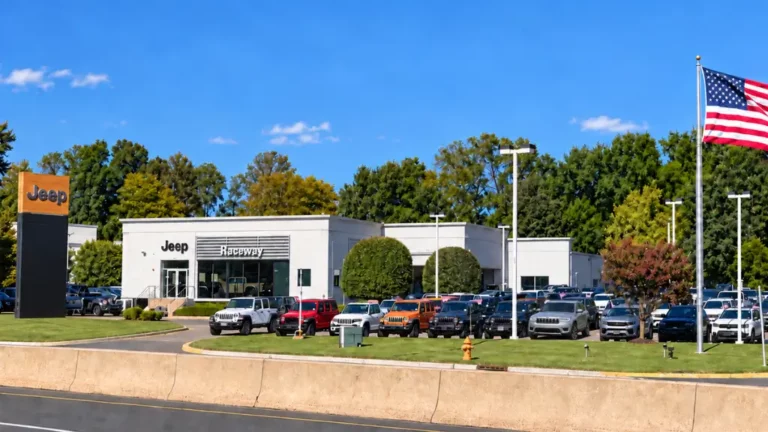

You found the car. The price is right, the pictures look great, the VIN checks out and the dealership website looks completely legitimate. There is only one problem: the dealership may not actually be selling the car. The Federal Trade Commission is warning consumers that scammers are cloning legitimate dealership websites, copying logos, inventory, photographs and even customer testimonials. Artificial intelligence is making those fake businesses even harder to spot.
We’ve always told buyers to do their homework before buying a car online. Check the dealership, verify the VIN, read the reviews and look at the inventory. That is still good advice, but what happens when the scammer has already done the homework for you and built the entire transaction around a real dealership?
This is not an amateur scam
Look at what happened to Will Matthews, who found a Toyota 4Runner TRD Pro on Facebook Marketplace for about $36,000. The price wasn’t so crazy that it immediately screamed scam, so he investigated. He found a real Texas dealership with an almost identical name, and the scammers had copied its identity, paperwork, window sticker and dealer information. Even the VIN checked out.
Matthews arranged financing through a major lender, and $36,240 was ultimately transferred to the scammers. Then they went even further, creating a fake GPS tracking website and a photograph supposedly showing the Toyota on a transport truck. When the tracking showed the vehicle had arrived, Matthews checked outside. There was no truck, no Toyota and no car. The scammer hadn’t simply created a fake listing; they had created an entire fake transaction.
And reportedly, the fake 4Runner listing had even been paid to be boosted on Facebook, putting the scam in front of more potential buyers. That matters because consumers naturally assume that a promoted listing has gone through some kind of verification. It may not have.
Follow the money
This is where I always start. The car is the bait, urgency is the pressure and your money is the target. Maybe the vehicle is $10,000 below market, and then comes the pressure: “We have another buyer.” Suddenly you’re worried about losing the deal instead of questioning whether the deal is legitimate. That’s exactly what the scammer wants.
If someone wants a deposit before you can see the vehicle, insists on a wire transfer, says the car can’t be inspected or offers to ship it for free, stop and slow the entire transaction down. Tell them you’re flying in and will arrange payment after you inspect the vehicle. If you’re buying remotely, hire an independent inspector or have someone you trust physically see the car. If the seller suddenly has excuses, walk away. A plane ticket and a hotel room cost a lot less than losing $20,000, $30,000 or $40,000.
The FTC specifically recommends seeing the dealership and vehicle in person when possible, using an independent inspection and being extremely cautious about sellers demanding upfront wire payments. FTC consumer alert on dealership website scams
Don’t trust the VIN alone
Here’s another trick that can catch even experienced buyers. A seller may tell you to purchase a vehicle-history report from a specific website you’ve never heard of. It looks legitimate, so you enter your credit card information and personal data, but the entire purpose may be to steal that information or convince you that you’ve verified something you haven’t.
Choose the vehicle-history provider yourself instead of using a link supplied by the seller. More importantly, remember that a legitimate VIN does not prove you’re dealing with a legitimate seller. The scammers in the 4Runner case reportedly used a real VIN connected to a real vehicle, which is why relying on the VIN alone wasn’t enough.
AI changed the game
We used to look for bad grammar, terrible photos, broken links and sloppy websites. Those clues aren’t nearly as reliable anymore. Scammers can copy legitimate dealerships, create convincing paperwork, manufacture photographs and build fake shipping or tracking websites that make the entire transaction appear real.
So don’t just ask, “Does this website look legitimate?” Ask the harder question: “Is this person actually connected to the dealership, and does that dealership physically have this car?” Find the dealership independently, find its phone number somewhere other than the suspicious website, then call and provide the VIN and stock number. Ask where the vehicle is and whether you can inspect it.
There will always be another car
The biggest mistake buyers make is letting the seller create urgency. There will always be another car. It might not be the exact color or have every option you wanted, but there will be another car. These scams don’t necessarily work because buyers are stupid; they work because buyers get emotionally attached to finding the perfect vehicle and don’t want to lose the deal.
Before sending a dollar, prove that the person selling you the car actually has the car. The logo can be real, the pictures can be real, the VIN can be real and the reviews can be real, and you can still be dealing with a scammer. I’d rather lose the deal than lose $20,000 trying to save it. There will always be another car, but getting your money back from a scammer can be a completely different story.
Check out my full commentary on this story: https://youtu.be/N0EVlU51A9U
Looking for more automotive news? https://www.CarCoachReports.com
Listen and subscribe to The Drive with Lauren and Karl – https://www.youtube.com/@thedrivecarshow