On the Dash:
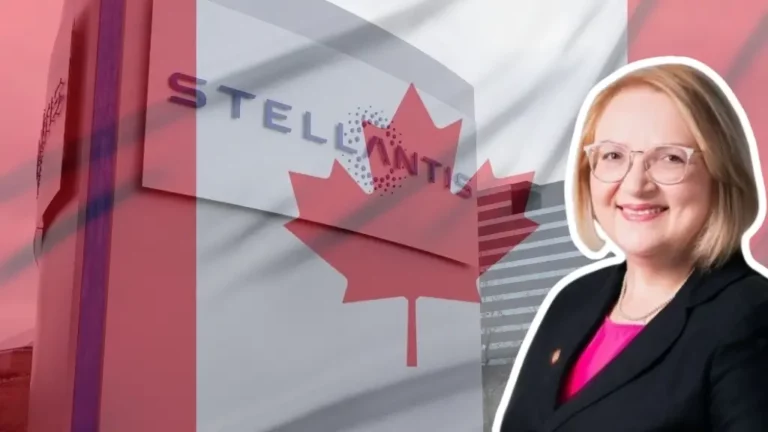
- Stellantis faces a new labor deadline as its Canadian contract with Unifor expires Sept. 20.
- The future of the Brampton plant remains the central issue in negotiations covering more than 9,000 Canadian workers.
- A strike could add another layer of uncertainty for Stellantis as tariffs and production changes continue to reshape its North American operations.
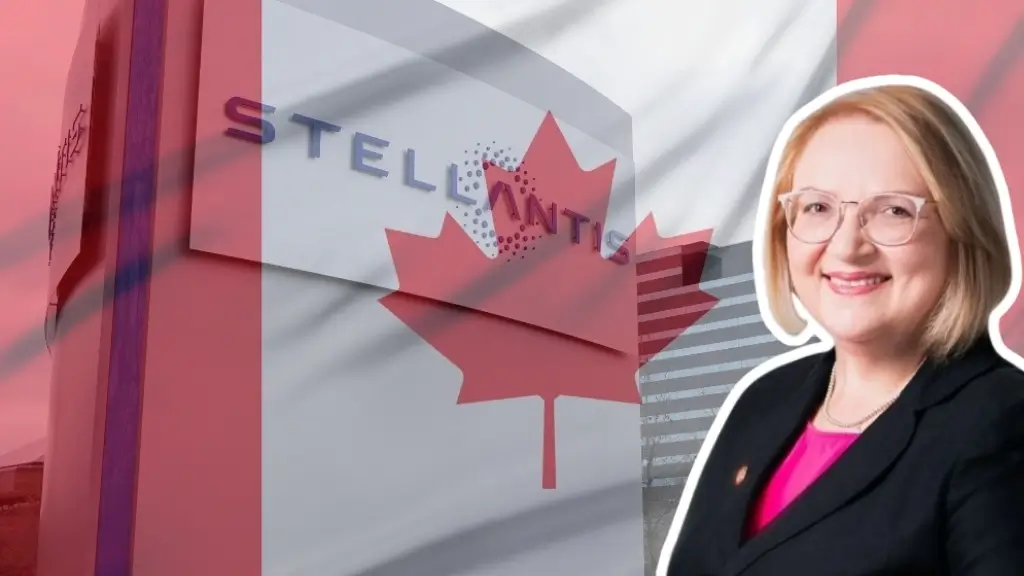
On September 17, the Canadian union, Unifor, said Stellantis workers could be in a strike position within weeks, as contract negotiations remain stalled over the future of the Brampton Assembly Plant in Ontario. The collective agreement currently covering over 9,000 Stellantis employees in Canada is set to expire on September 20.
Unifor President Lana Payne expressed the union’s desire to reach a tentative agreement without resorting to a strike. Under Ontario labor law, the union must conduct a strike vote and secure a mandate before taking any job action.
The Brampton plant is central to the ongoing negotiations, as Unifor declared an impasse after Stellantis confirmed it had signed a memorandum of understanding with armored-vehicle manufacturer Roshel for a potential sale of the idled facility. The union opposes moving automotive production out of Brampton and has called on the Canadian government to intervene. Unifor argues that the proposed sale complicates efforts to reach a new agreement.
Stellantis maintains that it no longer has a sustainable business case for producing the Jeep Compass at the Brampton facility. The automaker had initially planned to retool the plant for Compass production but later shifted this plan to Illinois due to changes in U.S. trade policy. Stellantis has explored options for restarting vehicle production in Brampton but has not identified a viable option for sustainable long-term operations. The company contends that a potential transaction with Roshel could support future operations at the site.
Roshel has indicated that it would prioritize hiring affected Stellantis workers if the transaction progresses. However, as a Canadian defense manufacturer, Roshel does not specialize in automotive production, which Unifor argues would not replace the automotive manufacturing and supplier activity associated with the Brampton facility. The union has urged Industry Minister Mélanie Joly to block the proposed transaction and clarify the government’s role in the discussions.
The next steps
With the contract expiration date approaching on September 20, the immediate focus is on reaching a resolution. Unifor and Stellantis have paused formal bargaining due to the failure to reach a tentative agreement. The union is evaluating its next steps while continuing to seek a negotiated settlement. If a resolution is not reached, the situation at the Brampton plant could become a direct trigger for broader labor action affecting Stellantis operations in Canada.