On the Dash:
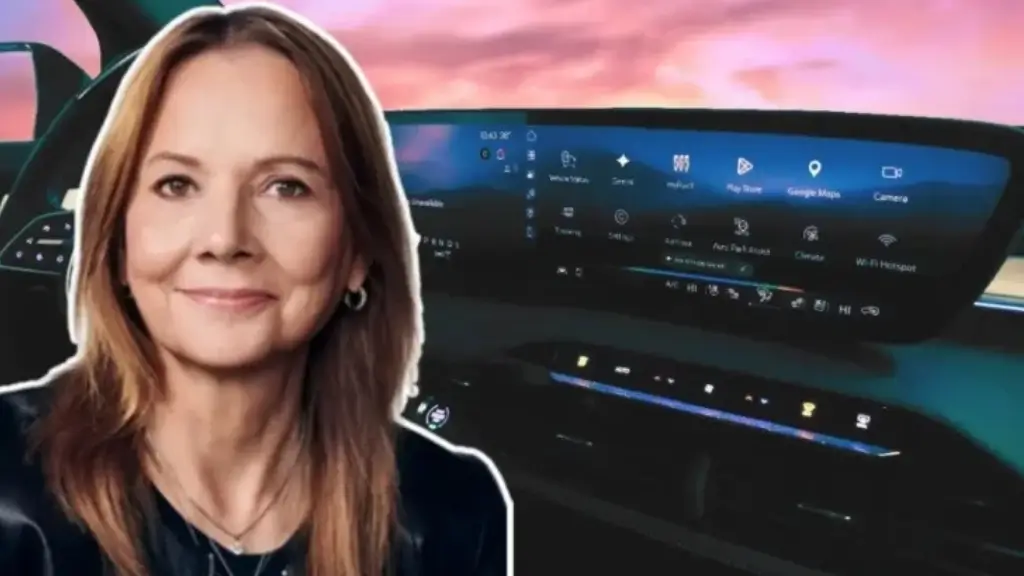
- GM is expanding its free, opt-in recording features across its 2027 Chevrolet, GMC and Cadillac lineups.
- Built-in cameras can give dealers another safety and security feature to demonstrate during the sales process.
- GM’s USB-based storage keeps recorded footage off company servers, addressing some consumer concerns about vehicle data privacy.
General Motors is expanding its Security Recording and Surround Vision Recorder features to more models in its 2027 lineup, which can capture footage for theft protection and accident documentation. Both systems are opt-in and require a USB drive that the driver supplies to save recordings. The automaker has stated that it does not store or access the recorded footage.
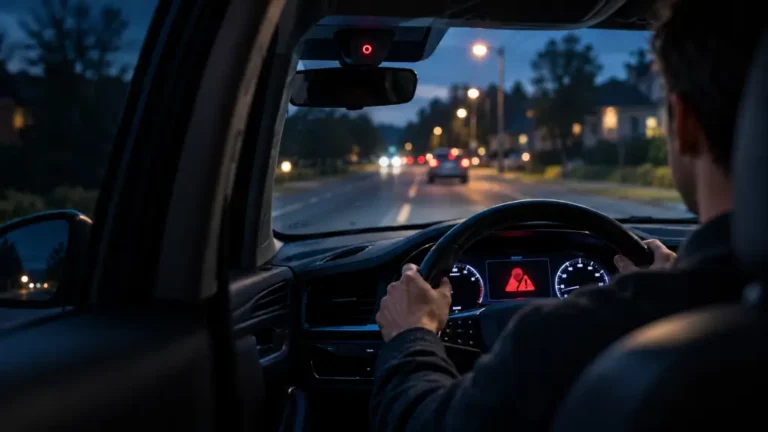
The Security Recording feature automatically captures 30 seconds of interior and exterior footage when the vehicle’s alarm sounds, using four exterior cameras and one interior camera. Meanwhile, the Surround Vision Recorder captures exterior camera footage in two-hour loops, overwriting older footage once the loop is complete. This technology can help document accidents, vehicle tampering and potential theft.
Expansion across GM’s lineup
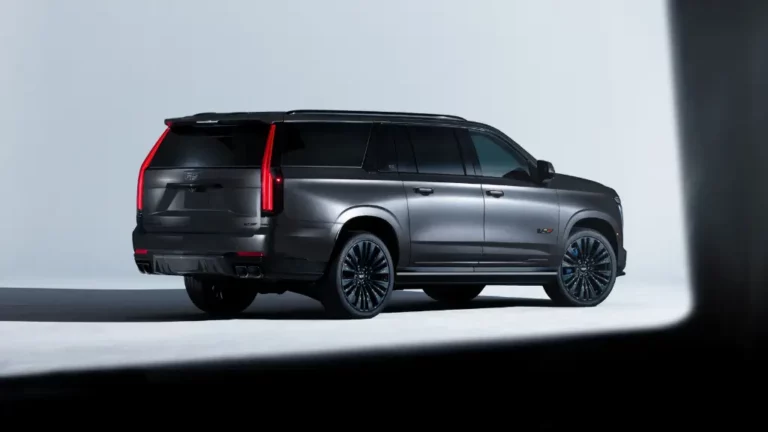
GM first introduced this technology on select 2025 Buick, Cadillac, Chevrolet and GMC models and is now expanding these features across its 2027 lineup through over-the-air software updates. Toyota also offers a built-in recording system on the 2027 Tundra, where a standard Drive Recorder Dash Cam captures 20-second clips using the truck’s exterior cameras.
Meanwhile, privacy remains a significant consideration in this expansion, as privacy advocates emphasize that automakers need to clearly explain how they collect, store and access vehicle footage. GM’s USB-only approach limits the company’s access to recorded video compared with cloud-based systems. However, this approach could pose a security risk if someone steals a vehicle along with the USB drive.
Federal scrutiny over connected-vehicle data
This new technology comes in the wake of federal scrutiny over how the company handles connected-vehicle data. The Federal Trade Commission (FTC) accused the automaker and its OnStar subsidiary in January 2025 of collecting and selling drivers’ precise geolocation and driving behavior data through the OnStar Smart Driver feature without adequate consumer consent. The commission finalized an order in January 2026 that bans GM from sharing that data with consumer reporting agencies for five years and requires the company to obtain affirmative consent before collecting, using or sharing connected-vehicle data going forward.
However, the company says customers must opt into Security Recording and Surround Vision Recorder before either feature activates, and the automaker has stated it does not have access to footage saved on an owner’s USB drive.