Automakers wanted to protect control over vehicle repairs. Instead, they may have triggered the biggest federal endorsement of consumers’ right to fix their own cars in years.
For years, the fight over Right to Repair has been portrayed as a niche battle between automakers and hobbyists who want to work on their own cars. It never was.
What happened in Washington this week proved that. President Trump signed a Presidential Memorandum directing the Environmental Protection Agency to expand Americans’ freedom to repair their own vehicles, reduce regulatory barriers to aftermarket parts, and lessen dependence on California’s certification process. Shortly afterward, he also issued pardons to several individuals convicted in federal emissions-related enforcement cases involving vehicle modifications.
Most headlines focused on those actions individually. They missed the bigger story. The real story is that the auto industry’s effort to preserve greater control over vehicle repairs appears to have produced exactly the opposite result.
If you’ve followed my reporting, you know this didn’t start in Washington.
Years ago, Massachusetts voters overwhelmingly approved Right to Repair because they believed something that once seemed obvious: if you buy a vehicle, you should decide who repairs it. Consumers thought the debate had been settled.
It wasn’t.
Almost immediately, the battle shifted from repair manuals and replacement parts to something far more valuable: software, telematics, and vehicle data. Lobbyists descended on Washington, arguing that unrestricted access to vehicle systems could jeopardize cybersecurity and consumer safety. Those concerns deserve to be taken seriously. Modern vehicles are extraordinarily complex, and protecting connected systems is important.
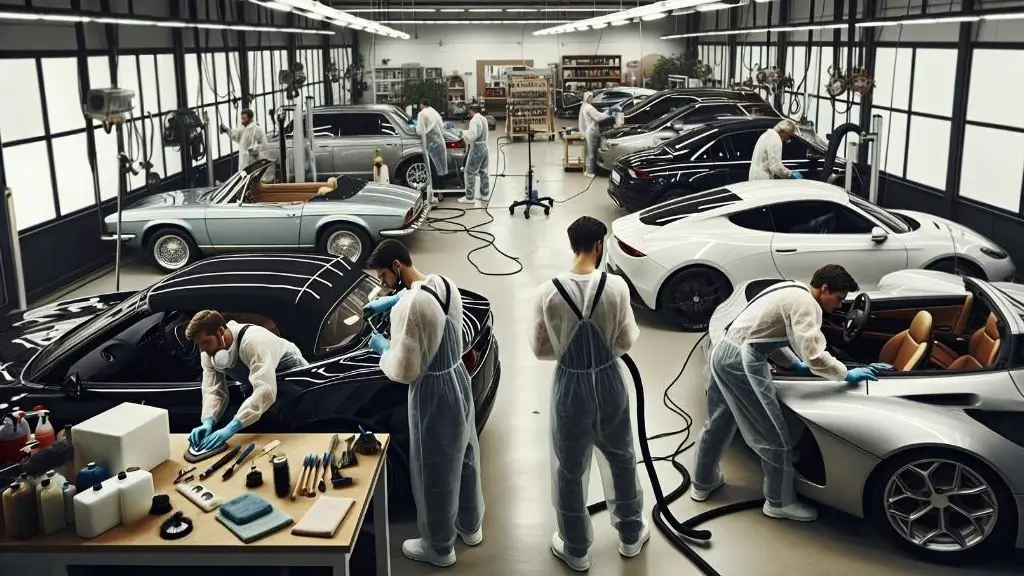
Most car repair shop have the computers, software and tools as well as the education to repair your vehicles.
But complexity doesn’t answer every question. Instead, it raises another one. Why has access to repair information become one of the most fiercely contested issues in the automotive industry? Follow the money.
The public often assumes dealerships make their money selling new vehicles. Anyone who has spent time inside the business knows the real financial engine has always been fixed operations. Service, parts, diagnostics, maintenance, warranty repairs, and software updates generate steady revenue long after the vehicle leaves the showroom. That isn’t controversial. It’s how the business has worked for decades.
Here’s another reality the public rarely hears.
Dealerships have never serviced every vehicle they sell. For decades, manufacturers and dealers have known that only a portion of customers return to the dealership for regular maintenance. The rest take their vehicles to independent repair shops, national service chains, fleet maintenance providers, or perform the work themselves. There simply aren’t enough service bays or technicians for dealerships to handle every repair on every vehicle they sell. Independent repair shops have never been an inconvenience. They’ve always been an essential part of the automotive ecosystem.
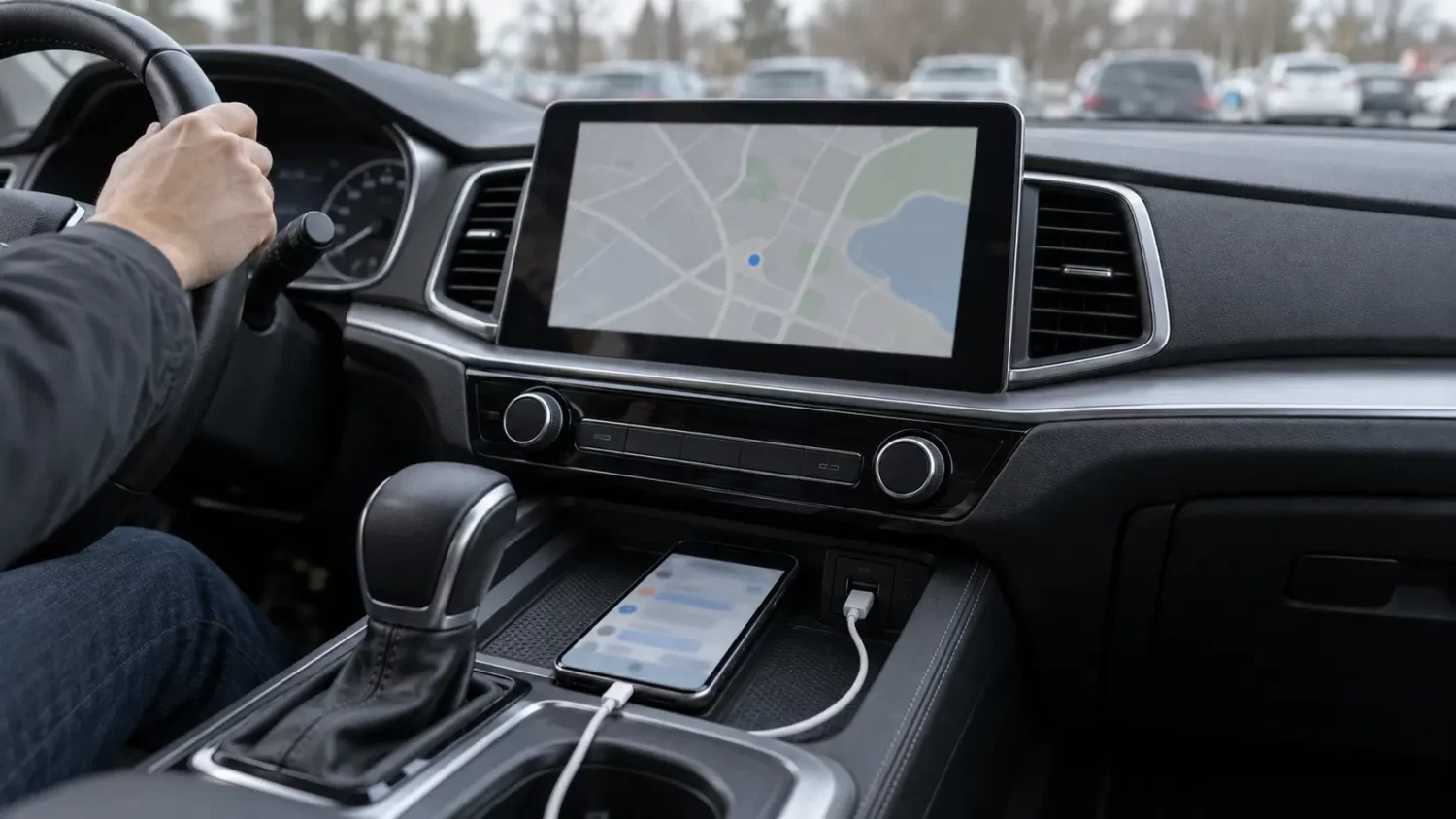
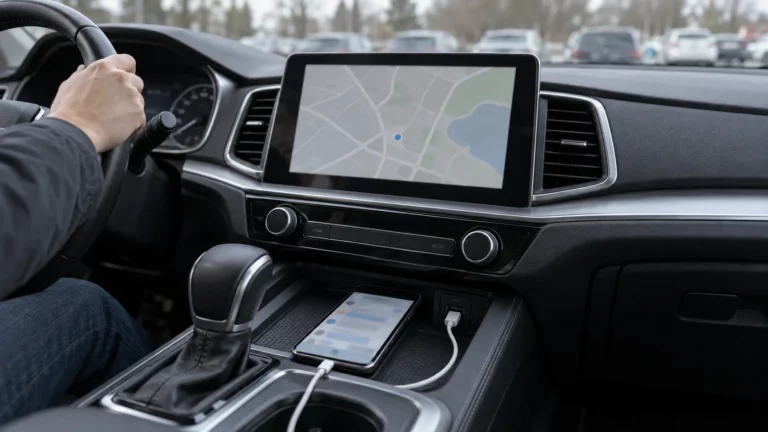
What has changed is the vehicle itself. Today’s automobiles are rolling computers. Repairs increasingly depend on diagnostic software, electronic calibrations, connected systems, wireless updates, and access to manufacturer-controlled data. Whoever controls that information gains enormous influence over who can compete for repair business.
That helps explain why the latest fight over H.R. 7389, the Motor Vehicle Modernization Act of 2026, became so important.
Supporters described the legislation as modernizing repair access. Yet one of the most consequential issues in the broader Right to Repair debate—access to telematics data—was removed before the bill advanced. For independent repair advocates, that wasn’t a technical revision. It fundamentally changed the debate because modern repairs increasingly depend on access to information rather than access to tools.
Then something unexpected happened. Automakers traveled to Washington to discuss repair policy and consumer access.
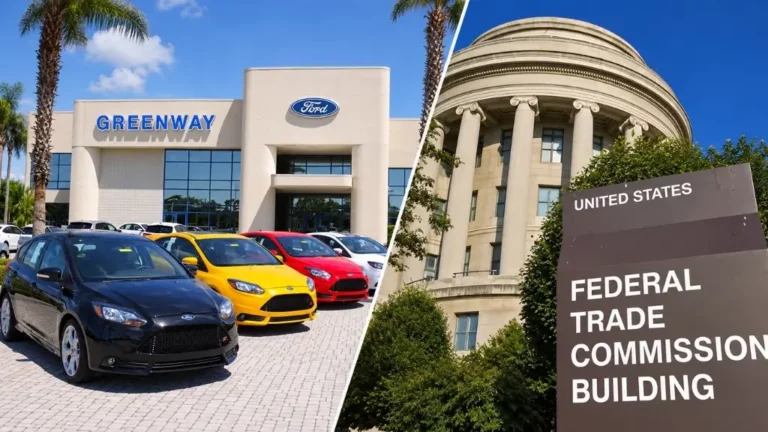
Shortly afterward, Ford CEO Jim Farley publicly argued that consumers should not repair their own vehicles because of safety and cybersecurity concerns. Those issues deserve consideration, but they also invite legitimate questions.
Independent repair shops safely repair millions of vehicles every year. ASE-certified technicians diagnose sophisticated electronic systems every day. Insurance companies rely on independent collision centers. Commercial fleets depend on independent maintenance providers to keep trucks on the road.
If the issue is truly safety alone, why has access to repair data become the central battleground?
President Trump apparently asked a different question altogether.
Instead of focusing solely on restricting access, his administration moved in the opposite direction. The Presidential Memorandum directed the EPA to clarify what emissions-related repairs consumers may legally perform, encourage additional certification pathways for aftermarket parts beyond California’s process, and consider deprioritizing certain civil enforcement actions involving good-faith repairs that restore vehicles to their original configuration. Those directives represent a notable shift in federal policy toward expanding repair options for vehicle owners.
Shortly thereafter, the administration issued pardons to several individuals convicted in emissions-related modification cases, reinforcing its broader message that existing enforcement policies deserved another look.
Taken together, they reveal something much larger. The national conversation has shifted.
Right to Repair is no longer simply a debate among automakers, dealerships, independent repair shops, and aftermarket suppliers. It has become a national discussion about ownership.
When you purchase a $60,000 vehicle, what exactly do you own?
Do you own the hardware but lease access to the software? Do you own the vehicle but need manufacturer permission to diagnose it? Should independent repair shops have access to the same information necessary to compete? Should consumers be free to choose who repairs property they legally purchased? Those questions are becoming more important every model year.
Technology unquestionably makes vehicles safer, cleaner, and more capable than ever before. It also creates new opportunities for manufacturers to maintain influence over vehicles long after the sale is complete. Software updates, connected services, subscriptions, remote diagnostics, and vehicle data all extend that relationship in ways previous generations never imagined. None of that is inherently wrong.
But neither should it quietly redefine ownership without consumers recognizing what’s happening.
For years, Right to Repair was treated as a niche issue for mechanics and car enthusiasts. Washington has now turned it into a national conversation.
Ironically, the industry’s effort to preserve greater control over repairs may have accelerated the very movement it hoped to slow.
That should matter to anyone who believes buying a vehicle ought to mean more than simply receiving permission to drive it.
Check out my full commentary on this story: https://youtu.be/tV8M737QPa0
Looking for more automotive news? https://www.CarCoachReports.com
Listen to The Drive Car Show – https://www.youtube.com/@thedrivecarshow