On the Dash:
- AI-driven demand for memory chips could increase vehicle production costs and create new supply chain disruptions.
- Industry groups warn that rising chip prices may eventually translate into higher vehicle prices for consumers.
- Dealers should monitor semiconductor availability as automakers compete with AI companies for critical components.
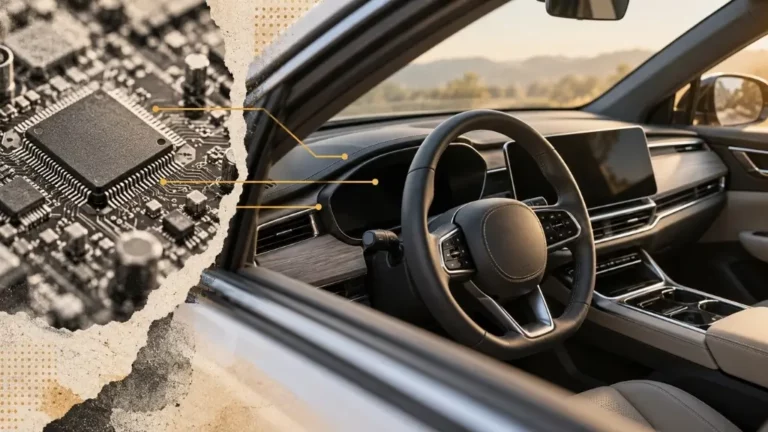
A coalition of automakers, retailers, technology companies and medical device manufacturers is urging the federal government to address a growing shortage of memory chips driven by artificial intelligence data centers.
As reported by Reuters, the Alliance for Automotive Innovation, the National Retail Federation, the Medical Device Manufacturers Association and the Internet and Television Association (NCTA), sent a letter to the U.S. Treasury and Commerce Departments expressing concerns about an urgent imbalance in the market for memory chips.
AI demand strains supply
Industry groups say AI data centers are consuming an increasingly large share of global memory chip production, creating an unprecedented surge in prices while reducing available supply for manufacturers producing consumer-facing products. Organizations representing automotive, retail, telecommunications and medical device sectors say the imbalance is becoming increasingly urgent.
The Alliance for Automotive Innovation joined other trade groups in warning federal officials about the risks posed by memory chip shortages, with industry leaders saying constrained supplies could affect vehicle production and availability if current trends continue. The concerns echo the semiconductor shortages that disrupted automotive manufacturing during and after the pandemic.
Meanwhile, business groups warn that higher memory chip costs are already contributing to price increases across consumer electronics and IT products. Rising component costs could also drive up expenses tied to telecommunications infrastructure, internet services, automobiles and medical devices, with American households potentially absorbing much of the financial impact.
Meanwhile, analysts project the global smartphone market will experience its steepest annual decline on record this year, with researchers attributing part of the drop to memory chip shortages as manufacturers prioritize AI-related applications over lower-margin consumer products.
What it means for dealers
The federal government has invested billions to expand domestic semiconductor production, but industry groups argue AI-related demand is outpacing supply and creating unintended market distortions. As AI infrastructure investment accelerates, automakers and tech companies are increasingly competing for the same resources. Dealers should monitor semiconductor availability closely, as prolonged shortages could influence vehicle production, inventory levels and future pricing.