
On the Dash:
- A shift from fuel taxes to a vehicle-based fee could change how all customers, including EV buyers, contribute to infrastructure costs.
- Weight-based fees may impact ownership costs for larger vehicles, potentially influencing consumer purchasing decisions.
- Ongoing federal and state proposals signal continued policy uncertainty around EV fees and long-term road funding.
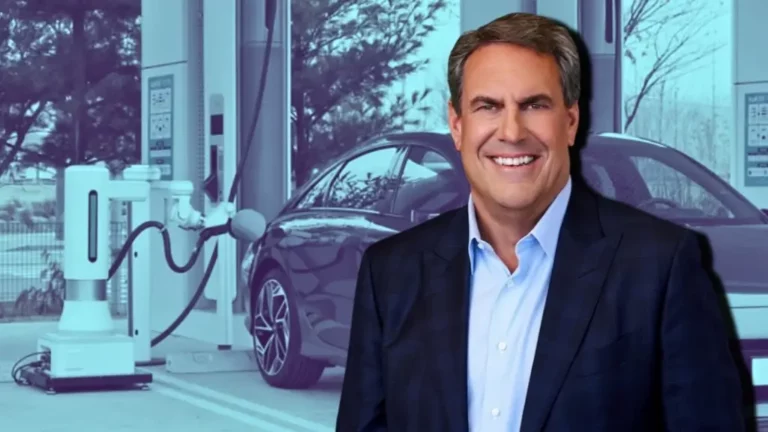
According to John Bozzella, the head of the Alliance for Automotive Innovation representing General Motors, Toyota, Volkswagen, Hyundai, and other major car companies, said in a proposal first reported by Reuters, the government should address the increasing financial shortfall in the highway trust fund by imposing a single fee on every vehicle based on weight.
Despite Congress not raising the federal gas tax since 1993, the increase in EVs and more fuel-efficient cars has left gas tax revenue falling short of meeting highway repair needs. Because it was not indexed to inflation, the tax has lost more than 60% of its value in real terms.
Bozzella said the fee would be collected like a registration fee and argued it would ensure all vehicles contribute to maintaining the transportation network while addressing disparities in how drivers currently pay for road use.
Since 2008, more than $275 billion, including $118 billion from the 2021 infrastructure law, has been shifted from the general fund to pay for road repairs.
Many Republicans want to impose a fee on EVs to help fund infrastructure. Last year, House Republicans proposed a new $250 annual fee on EVs and a $100 fee on hybrid EVs, but neither was included in a major tax-and-spending bill. The current five-year surface transportation law expires on September 30.
Some states already charge fees for EVs to cover road repair costs. In February 2025, some Republican senators proposed a $1,000 tax on EVs to fund road repairs.
Most revenue for federally funded road repairs is collected through diesel and gasoline taxes, which EVs do not pay. Last year, the Electrification Coalition argued that a $250 fee for EVs was unfair, since the average gas-powered vehicle pays just $88 in federal gas taxes each year.