On the Dash:
- Safety concerns about BlueCruise could erode consumer confidence in Ford’s advanced driver assistance systems.
- Ongoing federal investigations and potential new regulations may affect future vehicle features and compliance requirements.
- Increased scrutiny of driver-assist systems could influence liability, customer education, and dealership communication strategies.
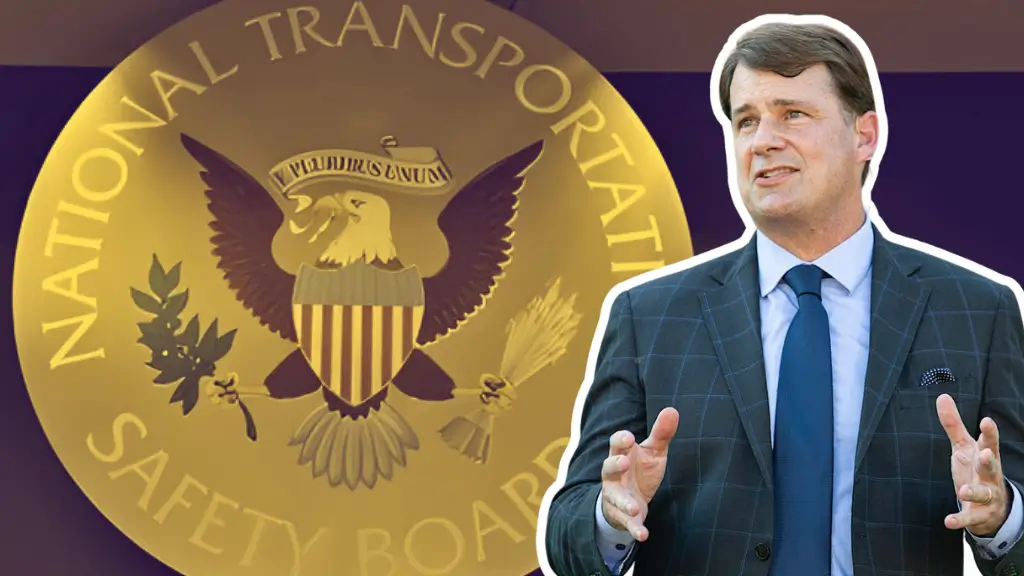
The National Transportation Safety Board (NTSB) on Tuesday criticized Ford’s BlueCruise hands-free driver-assistance system for failing to ensure that drivers were attentive before two fatal U.S. crashes in 2024.
The agency said both crashes involved 2022-model-year Ford Mustang Mach-E vehicles operating in partial automation mode. The vehicles struck stationary objects at highway speeds in San Antonio and Philadelphia, killing three people in total. Investigators found neither driver attempted to brake.
The NTSB said Ford’s driver monitoring system does not effectively address driver distraction and disengagement. The agency also said the automaker allowed the system to be used at excessive speeds and permitted drivers to disengage automatic emergency braking while BlueCruise was active.
The board concluded that even with an updated version of BlueCruise, the fatal crashes would still have occurred.
During a three-hour hearing, the NTSB also criticized the lack of federal regulations governing advanced driver assistance systems and questioned marketing claims made by automakers.
Meanwhile, the agency said the National Highway Traffic Safety Administration (NHTSA) should issue comprehensive guidelines to address known limitations of driver assistance systems. NHTSA said it currently has three investigations pending into BlueCruise and will review the NTSB’s recommendations.
NTSB Chair Jennifer Homendy said manufacturers and regulators must ensure these systems are designed and implemented to protect all road users, warning against a “hands-off” approach to hands-free technology.
Ford said one of the drivers involved in the crashes was impaired by alcohol and said it will take the NTSB’s recommendations under serious consideration as it continues to develop its driver-assist technologies.
The investigations are part of broader federal scrutiny into advanced driver assistance systems. Since 2025, both the NTSB and NHTSA have been examining BlueCruise to assess system limitations and driver responsiveness.
The NTSB has also investigated other systems, including Tesla’s Autopilot. In December 2023, Tesla agreed to recall 2 million vehicles to add safeguards to its driver assistance technology.