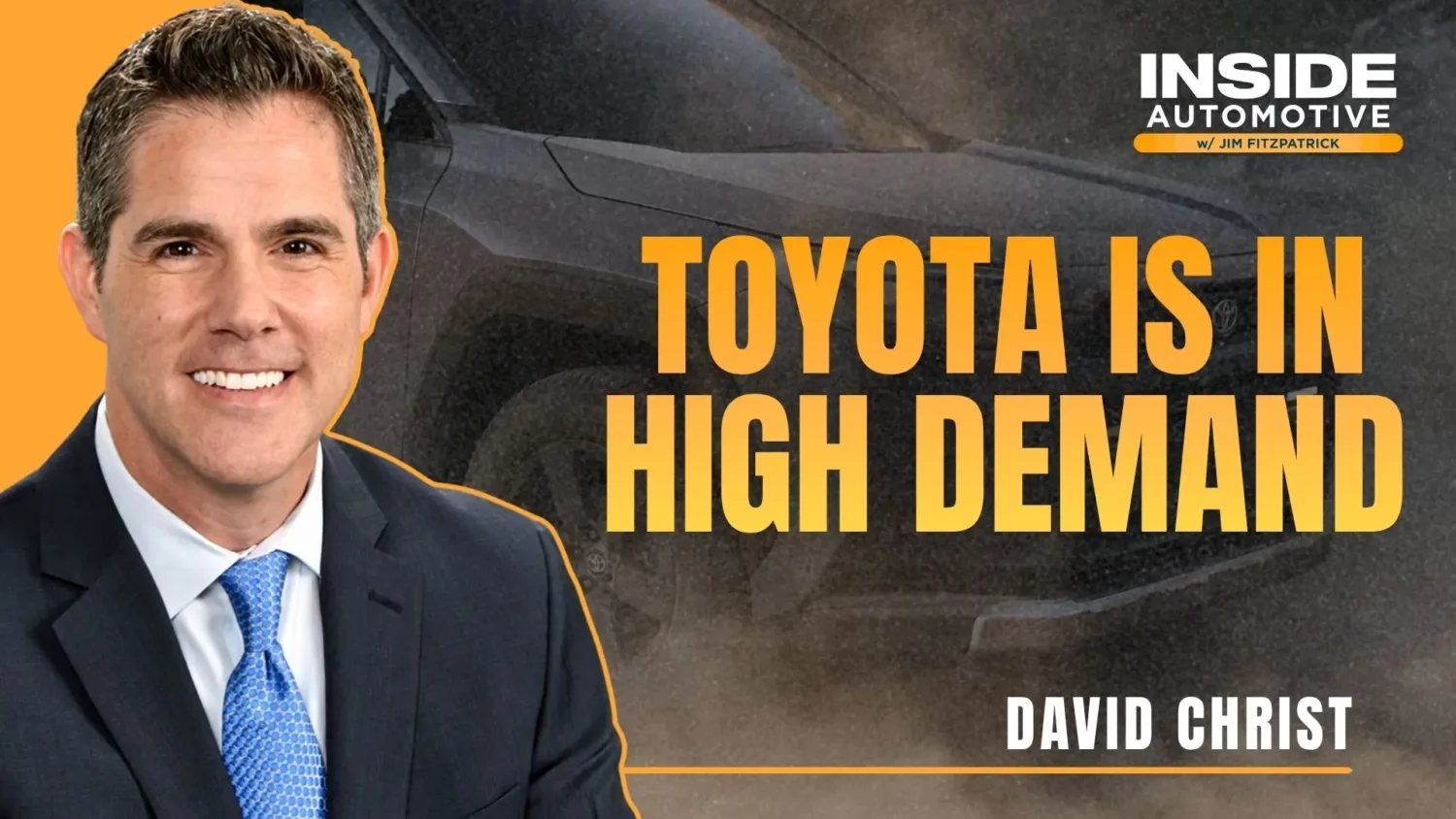
Toyota continues to set the pace in a market defined by shifting demand, rising interest rates, and electrification. David Christ, Group Vice President and General Manager of the Toyota Division at Toyota Motor North America, joins us on the latest episode of Inside Automotive to detail how the automaker maintains affordability, supports dealers, and invests in electrification to meet consumer needs.
Maintaining affordability and dealer support
Despite producing more vehicles than ever, Toyota has maintained a 15-day supply in the U.S., ensuring that most products are sold out and customers often place orders for future delivery. According to Christ, this approach keeps resale values strong and supports dealer margins, while aligning production with selective consumer demand.
The company has placed affordability at the center of its approach by offering a range of entry-level and premium models that appeal to a wide spectrum of buyers. By pairing this variety with a portfolio of powertrains, like ICE, hybrids, plug-in hybrids, battery electric vehicles (BEVs), and hydrogen fuel cell vehicles, Toyota provides options that fit different lifestyles and budgets, which reinforces the brand’s reputation for reliability and accessibility while avoiding overreliance on high-end models or heavy discounting.
Expanding powertrain options
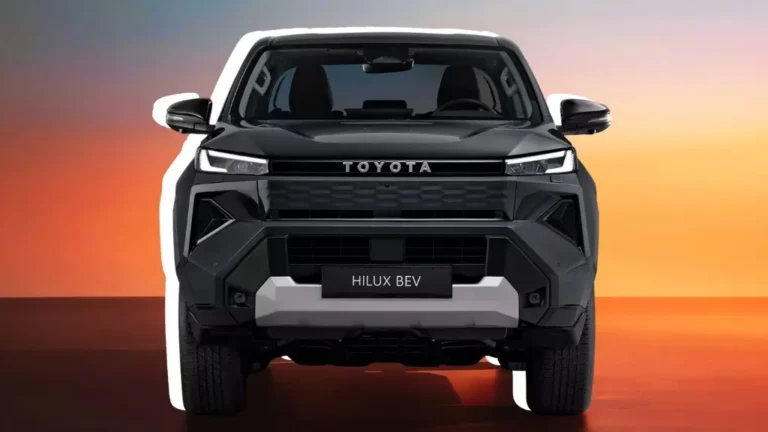
Electrification is advancing steadily across Toyota’s lineup, with more than half of its vehicles now electrified, well above the industry average. Christ notes that the BZ series has been updated to deliver a higher range and faster charging, while new models like the CHR and Highlander BEVs expand choices for urban and family buyers. Complementing these offerings, a $13.9 billion battery plant in North Carolina ensures Toyota can produce batteries for hybrids, plug-in hybrids, and BEVs regardless of market fluctuations or regulatory shifts, giving the company flexibility and long-term resilience.
“We feel really good about our product lineup and the cars we’re launching this year. We feel really good about our ability to service our dealers and service our customers... But I think we’re prepared and ready to support our dealers and our customers regardless of what happens tomorrow. So we’re excited about 2026.”
Christ also mentions that dealer profitability remains a central concern, as lean inventories and in-demand models reduce the need for high incentive spending and preserve margins. Therefore, leasing programs have strengthened, offering customers affordable alternatives while allowing dealers to resell high-quality vehicles as certified or used inventory. Profitable dealerships can reinvest in facilities, staff, and customer experience, creating a cycle that benefits both the brand and buyers over time.
Digital tools
Notably, digital retailing complements Toyota’s product and inventory strategies by allowing the sales process to begin online and conclude in the showroom. SmartPath, Christ confirms, integrates key steps such as credit approvals, trade evaluations, and vehicle selection, streamlining transactions while improving efficiency and customer satisfaction. By bridging online and in-person experiences, Toyota ensures dealers can meet modern consumer expectations while maintaining operational effectiveness.
Toyota’s product strategy remains broad, covering small cars, fuel-efficient options, and body-on-frame trucks and SUVs. Redesigned trucks and SUVs, including Land Cruisers, 4Runners, and Sequoias, help maintain market share in a highly competitive segment. The company is also focused on connected services and consumer outreach as part of its broader electrification initiatives.
Looking ahead, Toyota is preparing for continued growth in a market that remains unpredictable. Retail sales have increased over the past year, and the company is leveraging product innovation, dealer support, and digital tools to sustain momentum. Lean inventory, a diverse powertrain portfolio, and strategic electrification investments position Toyota to meet customer needs while protecting dealer profitability in 2026 and beyond.