On the Dash:
- EV supply chain shifts continue as battery manufacturers respond to slowing EV demand and changing U.S. policy.
- The cancellation of the electric F-150 Lightning program highlights how production changes ripple through suppliers and battery makers.
- Battery manufacturers are expanding into stationary storage and new customers as EV growth moderates.
SK Battery America laid off 958 employees on Friday, cutting about 37% of its workforce of 2,566, according to a notice filed with the state of Georgia. The layoffs affect the company’s battery plant in Commerce, Georgia, as its parent company, SK Innovation, adjusts operations amid slowing EV sales.
The workforce reduction is part of the battery manufacturer’s efforts to align production with the current market conditions in the EV sector. In a statement emailed on Friday, SK Battery America explained that this decision is necessary to adjust operations to meet changing demand while still committing to long-term investments in U.S. battery production. “To align operations to market conditions, SK Battery America has made the difficult decision to reduce our workforce,” the company said in the statement.
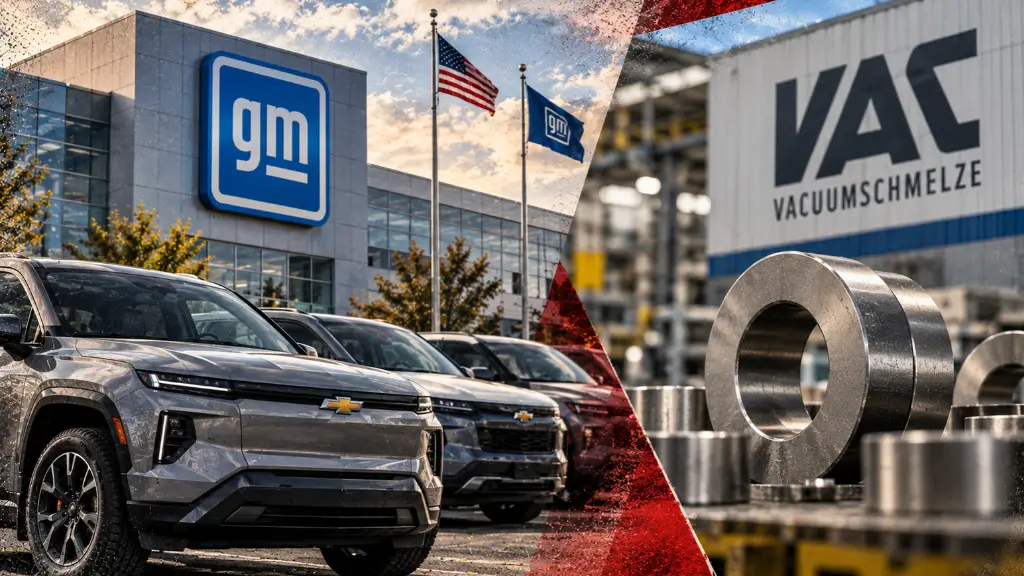
The Commerce facility previously supplied battery cells for Ford’s electric F-150 Lightning pickup truck, which was later canceled. The plant also supplies batteries to Volkswagen and Hyundai.
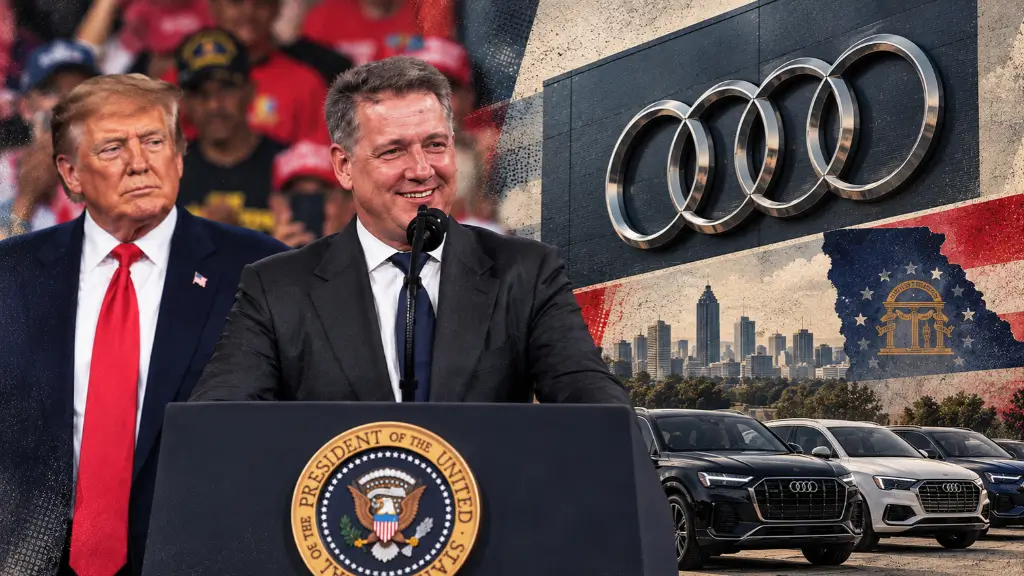
The layoffs come as South Korea’s battery industry faces broader pressure tied to a slowdown in EV adoption across key global markets. In the U.S., policy changes under President Trump have altered the landscape for EV growth. The administration has eliminated purchase subsidies and rolled back fuel economy and emissions standards, moves that industry analysts say could dampen EV demand.
Despite the layoffs, SK continues to expand its U.S. manufacturing footprint. The company has a second battery plant in Georgia that will supply Hyundai and is expected to begin production in the first half of 2026.
SK also operates another facility in Tennessee, formerly part of a joint venture with Ford. That plant is not expected to begin production until 2028 and could produce battery cells for both automotive and stationary energy storage applications.