Affordability is still a challenge, but it’s not affecting every buyer the same way. Data from CarGurus has shown a clear split, creating what’s been called a “K-shaped” market. To help us unpack what that means for dealers in this new year, based on what we saw in 2025, we’re joined by Kevin Roberts, Director of Economic and Market Intelligence at CarGurus, on today’s episode of CBT Now.
Roberts explained that the focus has shifted from vehicle prices alone to the total cost of ownership, which includes insurance, maintenance, and parts. These costs outpaced inflation in 2025, pushing more than 20% of new car buyers into monthly payments exceeding $1,000. The resulting affordability divide is reshaping both the new- and used-vehicle markets.
Used cars under $30,000 saw strong growth, offering cost-conscious buyers accessible options, while new vehicles clustered in the $30,000–$50,000 range remain attractive for mid-market buyers. Meanwhile, luxury vehicles priced above $70,000, including those exceeding $120,000, are seeing rapid adoption, highlighting resilience among affluent consumers.
Hybrids and EVs gain traction
Hybrid vehicles have emerged as a practical choice for buyers seeking efficiency and lower operating costs. Roberts notes that Toyota, Lexus, and Honda hybrids lead the fastest-turning models on dealer lots, with limited supply driving strong demand. Hybrids remain a bridge to full EV adoption, providing automakers with flexibility in the transition to electric vehicles.
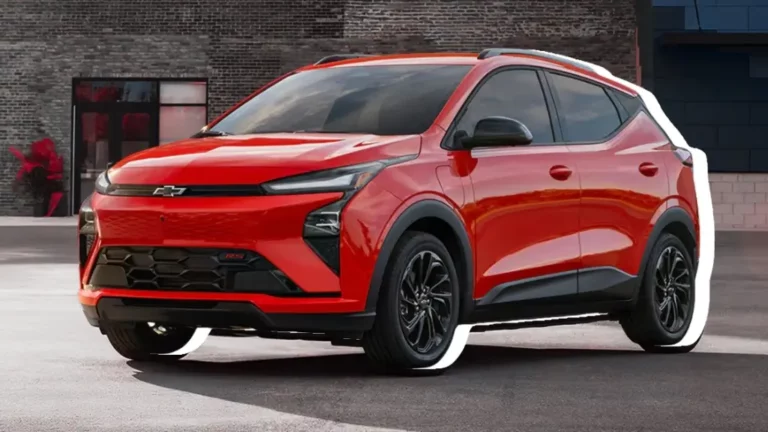
On the used EV side, vehicles like Tesla Model 3s, Chevy Bolts, and Nissan Leafs are moving quickly at lower price points, offering opportunities for buyers seeking modern features without the new vehicle premium.
Financing and leasing trends
Affordability continues to be managed primarily through financing, with loan terms now frequently extending past 60 months and, in some instances, reaching up to 120 months. While leasing hasn’t fully rebounded to pre-pandemic volumes due to residual-value instability, it remains a viable option, particularly for buyers with strong credit and within certain electric-vehicle initiatives. Furthermore, consumer affordability is being enhanced by the expansion of Certified Pre-Owned programs beyond the typical two- to three-year-old vehicle range.
"I think affordability is keeping the new market somewhat constrained."
Roberts also highlighted potential risks from tariffs and trade policy. While automakers absorbed most costs in 2025, 2026 could see greater pass-through of tariffs into consumer prices, creating potential headwinds for the new-vehicle market. Dealers may need to adjust inventory strategies as some buyers shift to the used market or delay purchases.
Dealer Implications
The emerging case-shaped market creates both challenges and opportunities. Dealers can capitalize on high-demand segments, including hybrids, used EVs, and luxury models, while addressing affordability pressures through strategic financing, CPO programs, and inventory management. Despite rising costs, new vehicle sales remain robust, with over 16 million expected in 2026.
Roberts emphasized that understanding the distinct needs of buyer segments and monitoring market signals will be critical for dealers navigating an evolving and complex automotive landscape.