On the Dash:
- Nissan revised its dealer incentive program after widespread complaints that the original structure hurt profitability.
- The updated 2026 plan lowers volume thresholds, increases per-vehicle payouts, and shifts bonuses to monthly calculations.
- While changes address major concerns, dealers still question how Nissan sets sales targets and manages discounting pressure.
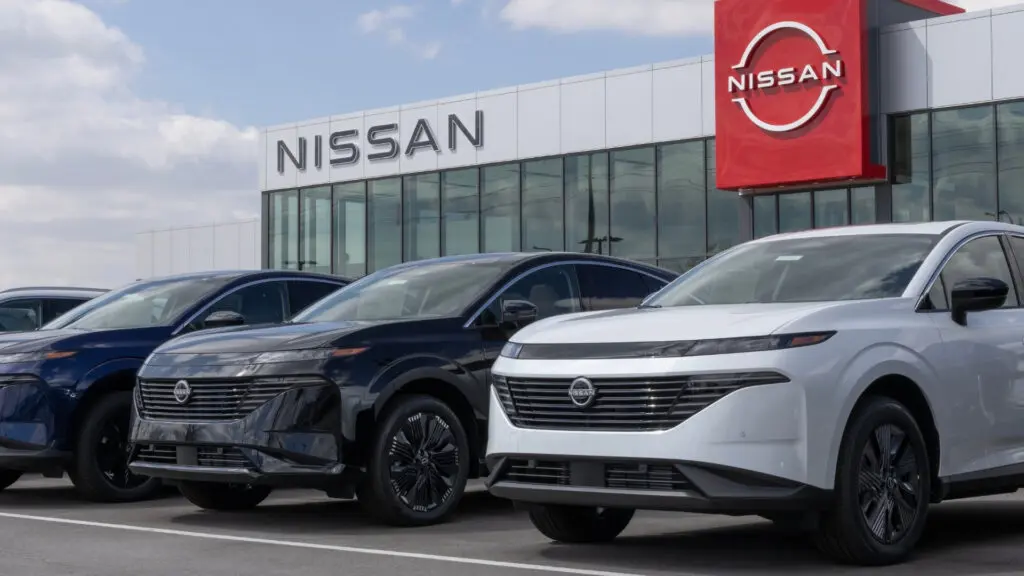
Nissan has revised its U.S. dealer incentive strategy for 2026 following mounting backlash from retailers who say the original program eroded profitability and imposed unrealistic sales targets.
Concerns escalated late last year after a group calling itself Concerned Nissan Dealers circulated a critical letter that was shared with Car Dealership Guy News. The letter outlined dealer frustration with Nissan One, a stair-step incentive program launched in June 2025 to simplify bonuses and boost retail market share.
Under the original structure, Nissan eliminated roughly 20 performance metrics and tied most incentives to a single volume-driven objective. Dealers say the shift reduced payouts, already-thin margins, and pushed stores to rely on discounted deals, fleet sales, and broker transactions to meet targets. Some retailers described the program as operationally complex and financially unsustainable, warning that it would hurt dealership valuations and long-term franchise health.
Nissan acknowledged the concerns and confirmed it is adjusting the program for the 2026 model year. The automaker has eliminated the top incentive tier and lowered performance thresholds to make bonuses more attainable across the dealer network. Incentives will now be calculated monthly rather than quarterly, enabling faster adjustments to market conditions.
For 2026, dealers will earn $500 per vehicle when they reach 80% of their monthly sales target and $1,000 per vehicle when they hit 100%. Payouts are up to $400 higher per vehicle than in 2025, despite the maximum bonus being reduced. Nissan executives said the previous 110% tier encouraged stores to sell below cost and chase volume at the expense of profitability.
The changes come as Nissan’s U.S. retail market share increased to 4.9% in November, up from 4.2% a year earlier. However, dealership profitability lagged, with average returns near break-even levels. Roughly half of Nissan dealers stopped pursuing bonuses late in 2025 due to the margin pressure.
While the revamped program addresses volume concerns, some dealers say issues remain. Retailers continue to question how Nissan sets sales objectives and whether historical performance unfairly penalizes high-performing stores. Nissan has said it has refined its methodology to better reflect local market conditions and is reviewing its brand advertising guidelines related to aggressive discounting.