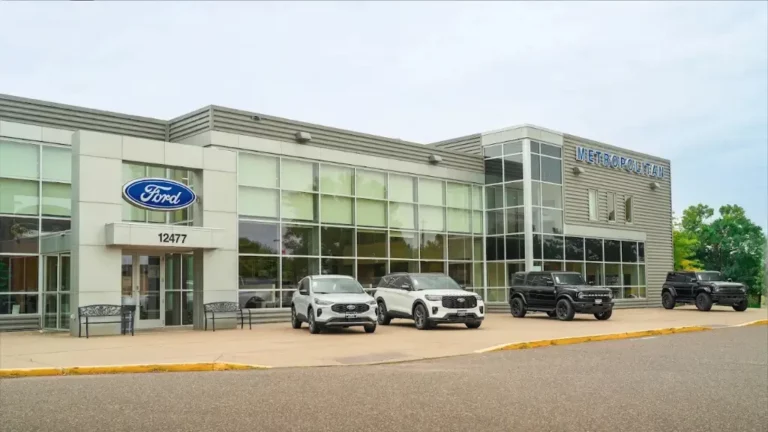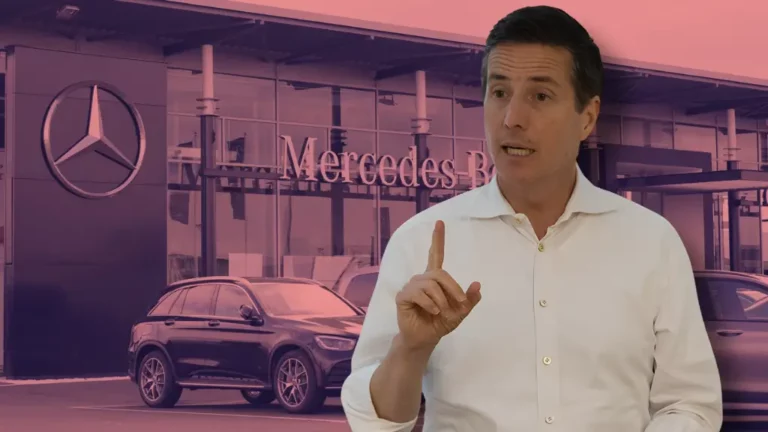
Minnesota’s automotive market is navigating a year of change, from shifting EV adoption to complex legislation affecting dealers. On today’s episode of Inside Automotive, Scott Lambert, president of the Minnesota Automobile Dealers Association, provides a year-end update on the challenges and opportunities shaping the state’s dealerships.
Business in Minnesota is soft, influenced by a mix of economic pressures and agriculture-driven trends. Depressed crop prices for corn, soybeans, and sugar beets are keeping farmers from spending, including on new truck purchases. That cautious spending ripples through the economy, impacting dealerships and the broader consumer market. Rising tariffs add another layer of strain, especially for soybean farmers, while vehicle affordability remains a concern as new-car prices climb into the $70,000–$80,000 range.
One of the most pressing issues for dealers this year has been the third-party time guide law, a Minnesota-specific regulation designed to ensure proper reimbursement for warranty work. Despite the law’s passage three years ago, manufacturer compliance has been slow. Negotiations with Volkswagen remain ongoing in federal court, though most other manufacturers have aligned. The process highlights the challenges of enforcing franchise protections, even when the law is clearly established.
"Everything depends on how the manufacturers want to play. If they want to play with us—great—let's get a lot done. If they want to try and make life hard for the dealers, we will address that as aggressively as we ever do."
The state’s dealers are also confronting parts theft and fraud. Efforts to mark catalytic converters and other components have encountered resistance from manufacturers, citing cost concerns. Yet the stakes are high: unchecked theft costs dealerships millions annually and undermines consumer trust. Common-sense solutions, such as traceable markings, could help mitigate losses if manufacturers cooperate.
Electric vehicles remain a complex topic in Minnesota, particularly in cold climates where battery performance and range are limited. Interest in hybrids is rising, but adoption of full EVs has been slow, and incentives that once drove sales have expired. Dealers face the challenge of educating consumers while adapting to a market that is redefining itself without mandates or artificial pressures.
Looking ahead to 2026, the Minnesota Automobile Dealers Association is focusing on modernizing title and registration systems, pushing for electronic titles and lien releases to streamline the buying process. The association remains ready to defend dealers against obstacles from manufacturers and legislative challenges alike, emphasizing collaboration when possible but readiness to act decisively when necessary.
Minnesota dealers are navigating a reset in EV adoption, evolving legislation, and ongoing economic pressures. With a clear strategy and strong advocacy, they remain positioned to adapt and succeed in the year ahead.
"Everything depends on how the manufacturers want to play. If they want to play with us—great—let's get a lot done. If they want to try and make life hard for the dealers, we will address that as aggressively as we ever do."