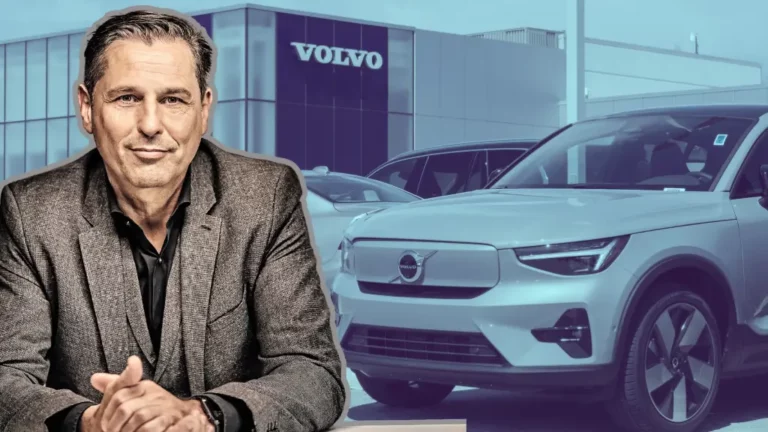
With 2025 rapidly coming to a close, it is time for service leaders to reflect on recent wins, identify gaps, and reset strategies for the year ahead. On today’s episode of Service Drive, Don Andres, owner and president of Auto SCT Consulting & Training and author of Why Auto Service Departments Fail to Grow, outlines practical ways service departments can maximize performance in 2026.
The retail automotive industry enters 2026 after another strong year for fixed operations. Profits remain solid, but emerging headwinds are beginning to surface. Slowing vehicle sales are reducing internal reconditioning volume, and warranty work continues to decline. As a result, many service managers and fixed ops directors are wrestling with how to sustain growth when traditional volume drivers soften.
Before jumping into forecasting and budget discussions, Andres emphasizes the importance of stepping back to define a clear vision. Setting aside time to determine the department’s objectives for the coming year helps establish focus and direction. Clearly articulated goals serve as a foundation for meaningful planning and long-term growth.
Once a vision is established, alignment becomes critical. Sharing that vision across the department clarifies expectations and creates a shared sense of purpose. Teams that understand where they are headed are more engaged, more focused, and better positioned to execute at a higher level.
"It's a great time to be in fixed operations. It's a great time to be in the dealer world. Just make sure we're really on our game."
From there, the strategy must follow. Too many service departments default to a business-as-usual mindset, which limits progress. Real growth requires intentional planning, deliberate strategy selection, and ongoing investment in team development. Without that structure, even strong departments can stall.
Execution in 2026 will depend heavily on preparation at the advisor level. Service writers must know what vehicles are arriving, understand customer needs, and be ready to guide conversations with confidence. Strong preparation during the write-up process leads to better customer pay opportunities and stronger overall profitability.
Technicians play an equally critical role. High-quality multi-point inspections, especially video MPIs, give advisors the tools they need to recommend service with credibility. As vehicle mileage continues to rise, inspections are uncovering increased wear on key components, creating an opportunity when communicated effectively.
Across the department, relationship-building skills matter. Service teams benefit from the same fundamentals as sales: trust, communication, and consistent messaging. These skills support stronger customer engagement and improved outcomes.
With vehicles staying on the road longer, service demand remains strong. Customers continue to rely on dealerships for maintenance and repairs, reinforcing the value of a well-run service operation.
Mobile service also continues to gain momentum. Success comes when qualified technicians are deployed to diagnose and repair vehicles at the customer’s location, rather than limiting mobile units to oil changes or recalls. When more complex repairs arise, vehicles can be transported back to the dealership, keeping mobile teams productive. The convenience of this model strengthens customer loyalty and often influences future vehicle purchase decisions.
Daily planning remains a cornerstone of operational success. Andres stresses the importance of preparing for each day rather than reacting as it unfolds. Reviewing scheduled work, aligning advisors and technicians, and anticipating challenges reduces stress, minimizes disruption and improves efficiency across the department.
For fixed ops leaders focused on growth in 2026, Why Auto Service Departments Fail to Grow offers actionable guidance grounded in real-world experience. The book focuses on vision development, forecasting, team alignment, and customer engagement, providing practical strategies service departments can apply immediately.