On the Dash:
- South Korea’s special bill enables U.S. auto tariffs to drop from 25% to 15% starting Nov. 1.
- The legislation establishes a $350B investment fund to support strategic U.S. industries.
- The tariff reduction is crucial for automakers, as nearly half of Korea’s vehicle exports go to the U.S.
South Korea has submitted a special bill to implement its $350 billion investment pledge to the United States, clearing the way for U.S. tariffs on Korean automobiles to drop from 25% to 15%.
The bill outlines how South Korea’s pledged investments will be executed and was a prerequisite for reducing levies on vehicles and auto parts. The Finance Ministry confirmed the tariff cut could now be applied retroactively as of Nov. 1. Seoul notified the U.S. Secretary of Commerce and requested a prompt notice in the Federal Register to formalize the change.
The legislation also establishes a Korea-U.S. strategic investment fund, alongside a dedicated management entity to oversee operations for up to 20 years. The fund aims to channel Korean investment into strategic U.S. sectors, including shipbuilding, energy, and semiconductors. Financing will come from earnings on South Korea’s foreign-exchange reserves and from government-backed bonds issued overseas.
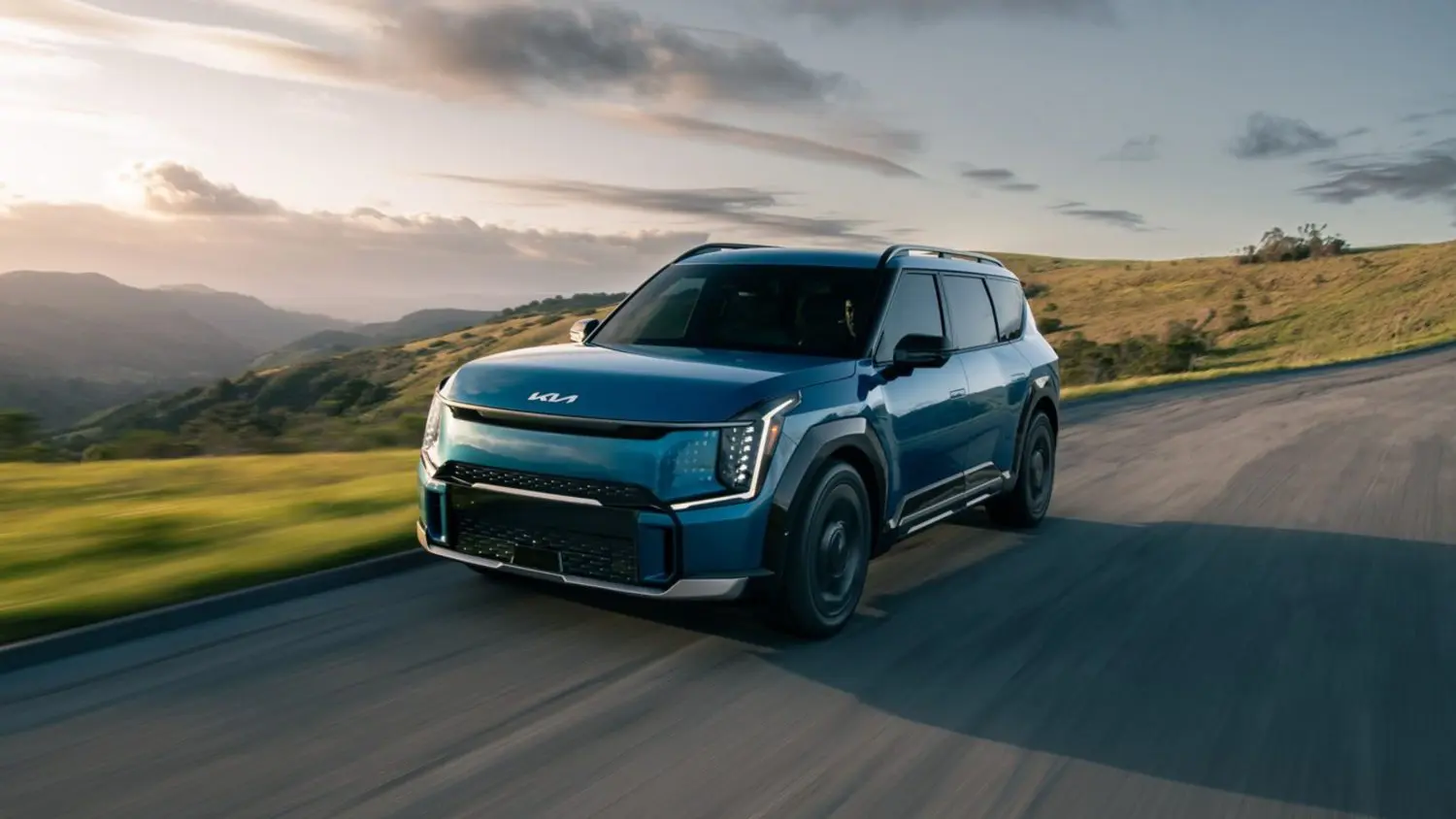
The tariff reduction is critical for Korean automakers, as nearly half of the industry’s $70.8 billion in vehicle exports in 2024 went to the U.S. Automobiles and auto parts remain among South Korea’s largest export categories to America.
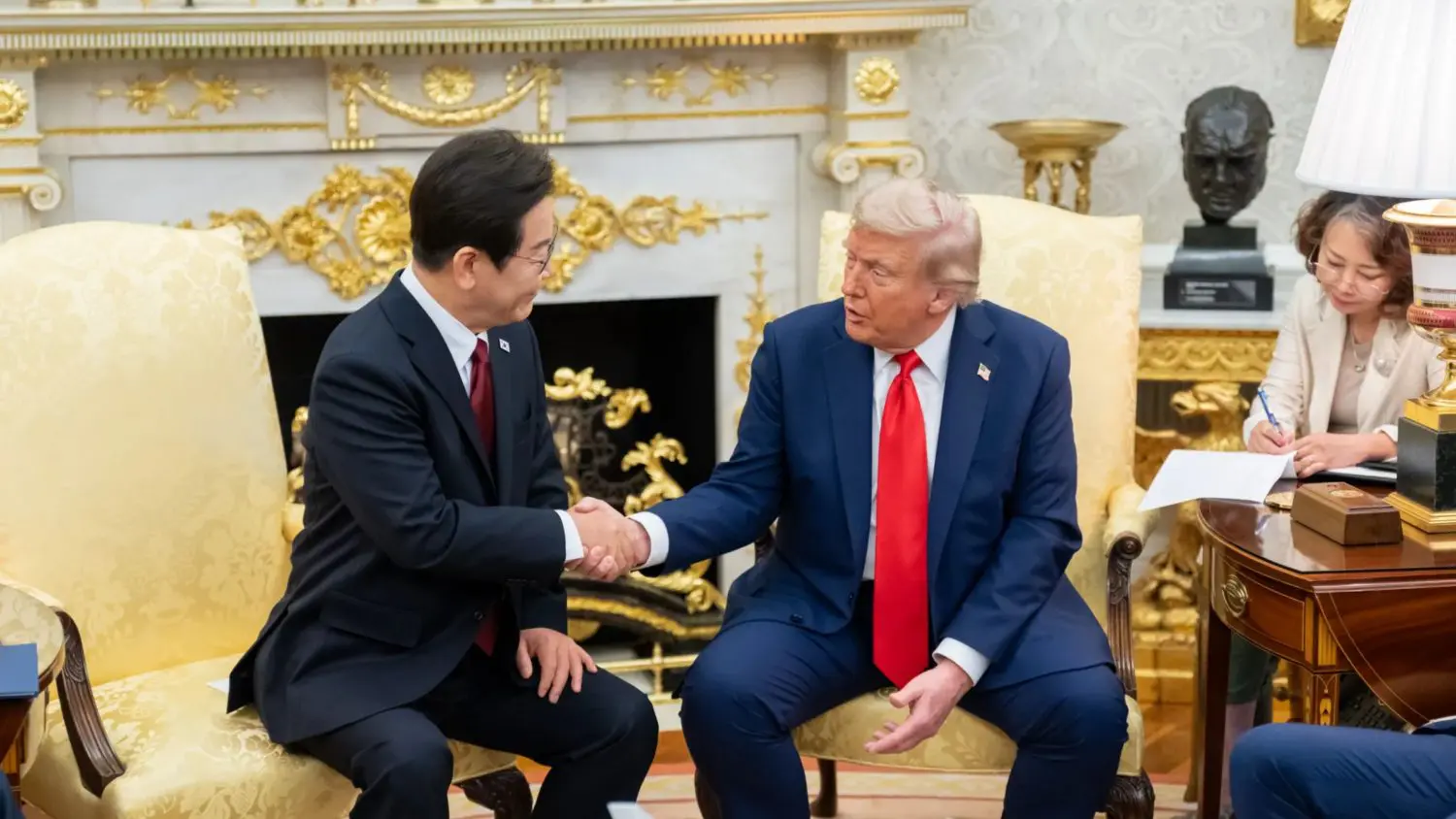
The U.S. and South Korea agreed in July to cap tariffs on Korean goods at 15%, but the 25% tariff on autos remained in place while both countries finalized details of the investment fund. The framework was confirmed during President Donald Trump’s October visit to Seoul, with a joint fact sheet outlining trade and security agreements issued earlier this month.
Similar deals with Japan saw auto tariffs reduced to 15% after a September memorandum of understanding, giving Japanese carmakers a temporary advantage. South Korea’s negotiations took longer due to concerns about the impact on the currency. Once confirmed by the U.S., the tariff reduction will provide Seoul with the relief agreed earlier in the summer.
While the 15% levy is lower than duties introduced earlier this year, it remains higher than rates before President Trump took office. Vehicle exports account for more than 40% of South Korea’s GDP, highlighting the economic significance of the reduction.